


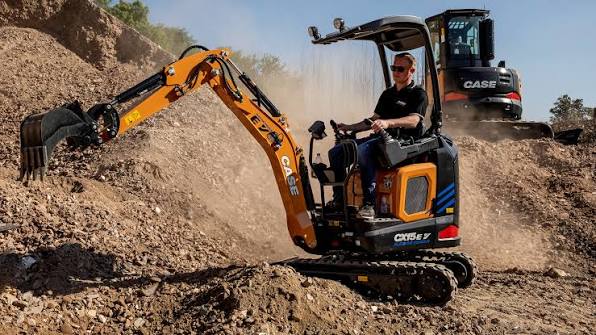
Contractors considering electric excavation equipment should understand how the technology affects equipment selection, project planning, daily operation, and long-term ownership. A battery-powered mini excavator may offer useful characteristics for certain applications, but its practical value depends on the tasks it performs, the working environment, and the resources available to operate and maintain it. Buyers need to evaluate the equipment carefully before deciding whether it suits their business.
When reviewing an electric mini excavator for sale, contractors should examine its specifications, battery system, charging requirements, attachment compatibility, safety features, and support arrangements. They should also consider how the machine will be used across projects and whether the equipment can meet the company’s expected workload. Understanding these factors can help contractors avoid purchasing machinery that does not match their operational needs.
Understand the Intended Applications
Electric mini excavators may be considered for selected construction, landscaping, maintenance, trenching, and confined-space applications.
Contractors should identify the work they expect the machine to perform and determine whether its specifications are suitable. Tasks may vary in digging depth, soil conditions, material handling, access, and operating duration.
The machine should be selected based on recurring work rather than general assumptions about its versatility. If a project requires capabilities beyond the machine’s specifications, contractors should consider alternative equipment.
Review Technical Specifications
Important specifications may include operating weight, overall dimensions, digging depth, reach, bucket capacity, digging force, battery capacity, and charging information.
These figures should be evaluated together. Machine dimensions affect access, while operating weight influences transport and ground suitability. Digging specifications determine whether the machine can perform the required excavation.
Buyers should compare available models using consistent criteria and request clarification where information is unclear. Specifications should be interpreted according to manufacturer documentation and the intended application.
Consider Battery-Powered Operation
Electric equipment uses a battery system to supply power during operation. Contractors should understand battery capacity, expected operating duration, charging time, electrical requirements, and recommended procedures.
Operating duration may vary according to digging intensity, soil conditions, attachments, terrain, temperature, and operator habits.
The battery information should be compared with the company’s expected work schedule. Buyers should determine whether the machine can perform planned tasks between charging periods and whether the charging arrangement is practical.
Evaluate Site Conditions
Contractors may use equipment across residential, commercial, industrial, landscaping, or maintenance sites. Each environment can present different access restrictions, ground conditions, noise considerations, and operational requirements.
The machine’s dimensions should be compared with entrances, pathways, turning areas, and working clearances. Contractors should also consider overhead obstacles, surrounding structures, underground services, and the space required to operate safely.
A compact machine may help with access but does not remove the need for site-specific risk assessment and safe excavation procedures.
Understand Operator Requirements
Operators need to understand the machine’s controls, safety features, limitations, charging procedures, and maintenance instructions.
Contractors should arrange appropriate training and ensure that employees can identify relevant indicators and respond to warnings. They should also establish procedures for pre-use inspections and reporting equipment concerns.
Operator familiarity can influence productivity and consistency. A demonstration may help assess whether the machine’s controls and layout are suitable for the company’s personnel.
Consider Attachments and Versatility
Attachments may allow the machine to perform different types of excavation or related work. Contractors should identify the attachments needed for recurring tasks and confirm compatibility before purchasing.
Compatibility involves mounting arrangements, machine capacity, and any relevant hydraulic or electrical requirements.
The company should also consider attachment storage, transport, maintenance, and operator training. Versatility can be useful, but attachments should be chosen based on practical requirements rather than speculative future uses.
Review Maintenance and Supplier Support
Contractors should investigate routine maintenance, warranty terms, replacement parts, battery support, technical assistance, and service arrangements.
They should understand how faults are reported, what documentation is available, and whether support can be accessed within a practical timeframe.
Maintenance responsibilities should be assigned clearly. Equipment records can help track operating hours, inspections, service activities, repairs, and charging-related matters.
Calculate Ownership Costs
The purchase price should be considered alongside transport, charging infrastructure, maintenance, repairs, insurance, financing, training, attachments, and other relevant costs.
Contractors should estimate expected utilisation and consider whether the equipment will be used regularly across suitable projects. This provides a more realistic basis for assessing the investment.
Conclusion
Contractors should evaluate electric mini excavators using a combination of application requirements, technical specifications, battery arrangements, site conditions, operator readiness, support, and ownership costs. Understanding these factors before purchasing helps businesses determine whether electric compact equipment fits their operations and supports their construction activities effectively.


