


LED signage keeps evolving, and the changes are not limited to brighter screens. New materials, smarter controls, and sustainability goals are reshaping how signs are designed and used. Knowing where the industry is heading helps you plan purchases that will not feel outdated quickly.
Forward-looking buyers often ask a led sign manufacturer which technologies are mature enough to adopt and which are still emerging. Here are the major trends worth watching.
Finer Pixel Pitch and Sharper Displays
Display makers continue to shrink the distance between LEDs, producing sharper images at closer viewing distances. Fine pitch screens once reserved for control rooms are now appearing in retail stores, lobbies, and showrooms.
As production scales, prices tend to fall, making higher resolution available to smaller businesses.
Mini-LED and Micro-LED Technology
Mini-LED uses very small diodes to improve contrast and brightness. Micro-LED goes further, with microscopic emitters that promise excellent image quality, long life, and thin designs.
Micro-LED is still expensive for large-scale use, but it is steadily moving from showcase projects toward commercial products.
Transparent and Flexible LED Panels
Transparent LED screens allow content to appear on glass while keeping the view through it. Retailers and architects use them for shop windows, building facades, and glass partitions.
Flexible and curved panels open creative possibilities, such as wrapping displays around columns or forming unusual shapes.
Smarter, Connected Signs
Many signs now connect to the internet and can be managed remotely.
Common capabilities include:
- Scheduling content by time or day
- Updating multiple locations from one dashboard
- Monitoring brightness, temperature, and faults
- Receiving alerts when parts need replacement
This reduces maintenance trips and keeps messaging consistent across branches.
Data-Driven and Interactive Content
Some displays adjust content based on weather, time, inventory, or local events. A cafe sign might promote hot drinks on cold mornings and iced drinks on warm afternoons.
Interactive features such as touch screens, QR codes, and sensors let customers engage directly. Privacy and data handling should be considered carefully with any system that collects information.
Energy Efficiency and Sustainability
Efficiency remains a major focus. Manufacturers are developing more efficient drivers, better heat management, and lower standby power use.
Sustainability also covers materials and end-of-life handling:
- Recyclable aluminum and plastics
- Modular designs that allow easy repair
- Longer-lasting components to reduce waste
- Reduced packaging and more efficient shipping
Some businesses now ask suppliers about environmental policies before ordering.
Solar-Powered and Low-Power Signs
Small outdoor signs powered by solar panels and batteries are becoming more practical, especially where wiring is difficult. Improved efficiency means signs can operate through the night on stored energy.
This approach suits parks, trail markers, and remote locations.
Personalized and Creative Neon Styles
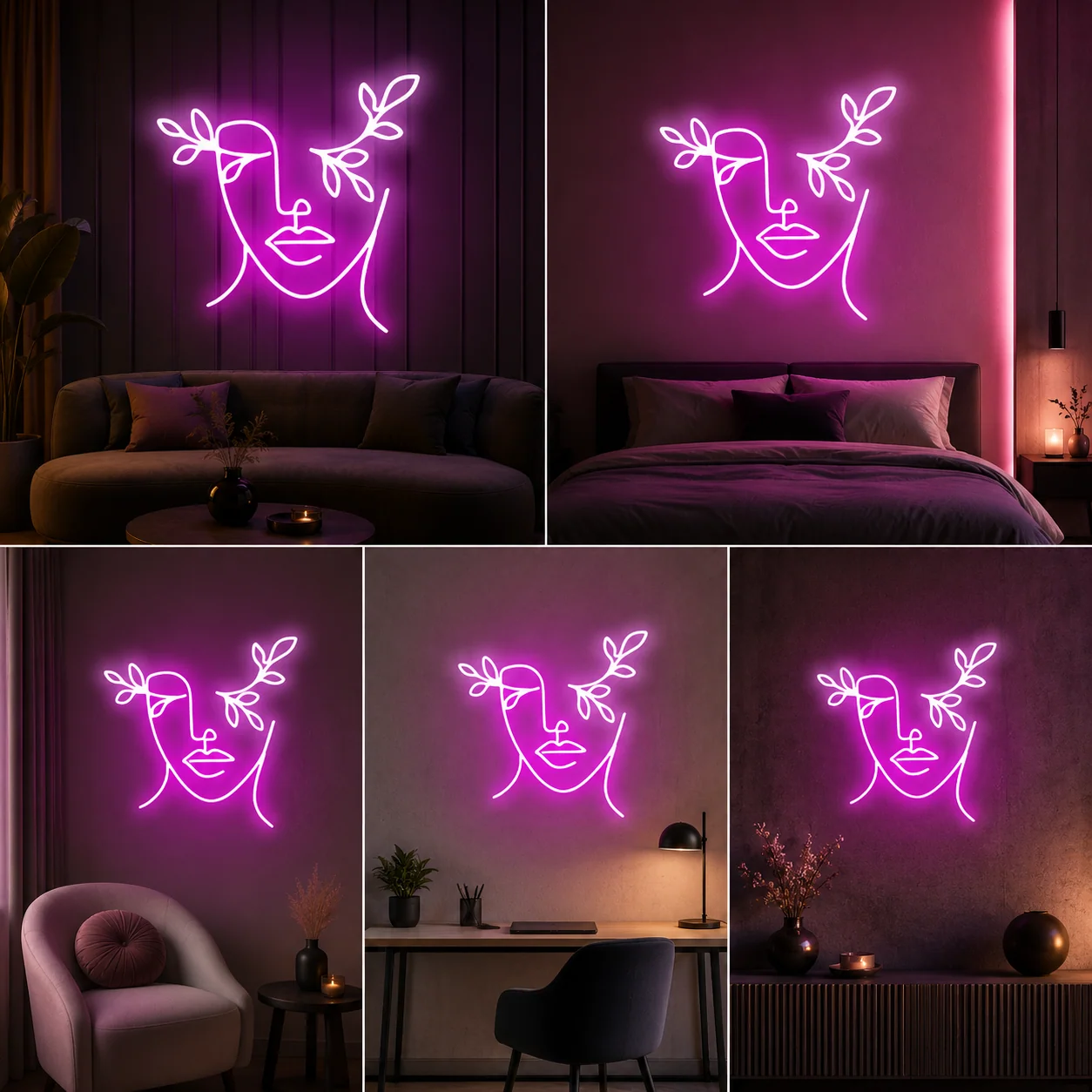
LED neon continues to grow in popularity for both commercial and home use. Trends include thin line designs, multi-color gradients, handwritten styles, and mixed-material pieces combining neon with wood, metal, or mirrors.
Buyers increasingly want unique, shareable signs that look good in photos.
Better Outdoor Durability
Improved sealing methods, tougher coatings, and advanced heat management are extending outdoor lifespans. Signs are being designed to withstand extreme temperatures, salt air, and heavy rain with less maintenance.
Dynamic Brightness and Compliance Features
Automatic dimming based on ambient light is becoming standard in digital signs. It supports energy savings and helps meet local brightness rules.
Better tools for logging brightness levels and content schedules may also assist with regulatory compliance.
Integration With Architecture
Designers are integrating LED lighting into building surfaces, ceilings, and walls. Signs become part of the structure rather than add-ons.
This trend favors slim profiles, hidden wiring, and custom shapes that follow the architecture.
How to Prepare for Change
- Choose modular systems that can be upgraded
- Ask about software updates and support
- Avoid proprietary formats that lock you to one vendor
- Prioritize quality components over short-term price savings
- Review warranty and spare-part availability
Final Thoughts
LED signage is moving toward sharper displays, smarter controls, greener production, and more creative designs. You do not need to chase every new technology, but understanding the direction helps you make confident decisions. Choose flexible, well-built products, and your signage will stay useful and attractive as the industry advances.


