


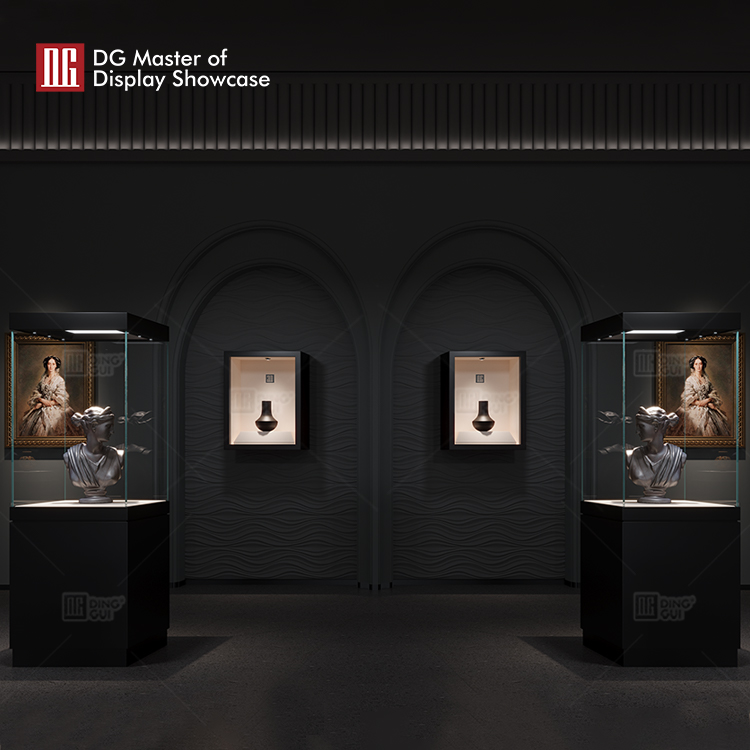
Displaying valuable jewelry requires a careful balance between product visibility and protection. Customers need to see and examine merchandise comfortably, while retailers need practical measures that help control access and protect valuable inventory.
A well-designed Luxury Jewelry Showcase can incorporate security features without making the display look overly industrial. The most effective approach is to integrate protective elements into the structure, hardware, and daily operating procedures.
Lockable Glass Doors
Lockable doors are a fundamental security feature for many jewelry displays. They allow products to remain visible while restricting direct access when staff assistance is not available.
The locking mechanism should be durable and appropriate for the showcase design. It should also allow authorized staff to access merchandise efficiently during customer interactions.
Durable Glass
The glass enclosure is an important part of the physical barrier around the jewelry. Depending on the display requirements, retailers may consider tempered or other specialized glass designed for greater durability.
Glass selection should take into account the showcase’s dimensions, frame construction, location, and intended use. The supporting structure should be designed to work properly with the selected glass.
Secure Frames and Hardware
A strong frame helps support the glass and other components while contributing to the overall stability of the display. Metal frames are commonly used because they can provide structural strength and a clean appearance.
Hinges, handles, brackets, and other hardware should also be selected for regular retail use. Loose or worn hardware can compromise both functionality and presentation.
Reliable Locking Systems
Different retail environments may require different locking arrangements. Keyed locks, concealed locks, or other controlled-access mechanisms can be incorporated depending on the showcase configuration.
The system should provide appropriate protection while remaining practical for employees who need frequent access to products.
Secure Product Holders
Jewelry can also be secured within the showcase. Individual holders, trays, and compartments can help keep products organized and reduce unnecessary movement.
For high-value or particularly small items, dedicated compartments can make inventory easier to monitor while keeping individual pieces separated.
Controlled Staff Access
Security depends on more than the physical construction of the showcase. Staff procedures can also influence how effectively merchandise is protected.
Access should be limited to authorized employees, particularly during opening, closing, restocking, cleaning, and product transfers. Clear procedures can help reduce accidental exposure and improve inventory control.
Strategic Showcase Placement
Where a showcase is positioned can contribute to overall security. Displays placed in areas with good staff visibility can be easier to monitor throughout the day.
Avoid creating unnecessary blind spots around valuable merchandise. The surrounding layout should allow employees to maintain awareness of customer activity without interfering with normal browsing.
Adequate Interior Visibility
Security features should not make products difficult to see. Clear glass, effective lighting, and organized interiors allow staff and customers to observe merchandise while the display remains secured.
Good visibility can also make it easier for employees to notice misplaced products or unusual activity within the display area.
Alarm and Store Security Integration
Depending on the retail environment, showcase security may work alongside broader store security measures. These can include surveillance systems, access controls, alarms, and established opening and closing procedures.
Any electronic security equipment should be installed according to applicable requirements and coordinated with the store’s existing security infrastructure.
Consider Emergency Access
A secure display should also allow authorized staff to respond appropriately during emergencies. Locking mechanisms and access procedures should be understood by relevant employees.
Emergency planning should follow applicable local safety requirements and the recommendations of the showcase manufacturer or security-system provider.
Choose Materials for Long-Term Use
Security components should withstand regular handling. Frequent opening, closing, cleaning, and product changes can place stress on locks, hinges, handles, and other moving parts.
Retailers researching solutions from brands such as DG Display Showcase can evaluate construction quality, hardware durability, maintenance requirements, and security options as part of the selection process.
Inspect Security Features Regularly
Routine inspections can help identify potential problems before they affect daily operations. Check locks, hinges, handles, glass panels, frames, and product holders for signs of wear or damage.
Any component that becomes loose, damaged, or difficult to operate should be addressed promptly using appropriate replacement parts or professional servicing.
Conclusion
Security in a luxury jewelry display should combine physical protection, controlled access, clear visibility, and practical operating procedures. Lockable doors, durable glass, secure hardware, organized product holders, and strategic placement can all contribute to a safer retail environment.
By integrating security into the showcase design from the beginning, retailers can protect valuable merchandise while maintaining an elegant presentation that allows customers to view products comfortably.


