


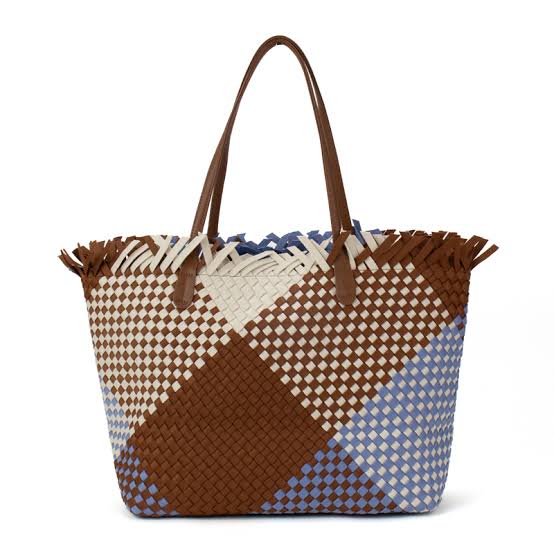
Neoprene bags are widely used for shopping, travel, beach activities, cosmetics, and everyday storage. For businesses purchasing these products in bulk, maintaining consistent quality is essential for customer satisfaction, brand reputation, and long-term profitability. Even small differences in material thickness, stitching, dimensions, or finishing can affect how a bag looks and performs.
When businesses source products through Neoprene Bag Wholesale channels, they need a clear quality control process that covers every stage, from supplier evaluation to final shipment inspection. A reliable process helps buyers identify defects early, reduce product returns, and ensure that delivered goods meet agreed specifications.
1. Establish Clear Product Specifications Before Ordering
Quality control begins before production starts. Businesses should prepare detailed product specifications so manufacturers understand exactly what is expected.
A complete specification sheet should include:
- Bag dimensions and acceptable size tolerances
- Neoprene thickness and material requirements
- Color references and surface finish
- Stitching style and seam construction
- Handle length, width, and attachment method
- Zipper, button, or other closure requirements
- Logo placement and printing details
- Packaging and labeling instructions
Providing reference images, drawings, or approved samples can reduce confusion. Specifications should be confirmed in writing before the manufacturer begins production.
2. Inspect Neoprene Material Quality
The quality of the raw material directly affects the durability, appearance, and functionality of a finished bag. Neoprene is valued for its flexibility, cushioning, and resistance to everyday moisture, but not all materials have identical properties.
Businesses should check several material characteristics.
Thickness and Consistency
Neoprene should have a consistent thickness throughout the product. Noticeable variations may affect the bag’s shape, flexibility, and protective performance.
Surface Condition
Examine the material for visible defects such as cuts, scratches, discoloration, uneven texture, or surface damage. These imperfections can make finished products look poorly manufactured.
Flexibility and Recovery
A suitable neoprene material should bend without developing obvious cracks or permanent deformation under normal handling. Buyers can assess flexibility by examining samples and comparing them with approved reference products.
Color Consistency
For orders involving multiple production batches, color matching is important. Request confirmation of the color reference and inspect samples under consistent lighting to identify noticeable differences.
3. Examine Stitching and Construction
Strong construction helps neoprene bags maintain their shape and withstand regular use. Weak seams or inconsistent stitching can lead to premature damage, even when the material itself is satisfactory.
During inspection, pay attention to:
- Straight and evenly spaced stitching
- Securely finished thread ends
- Reinforced stress points around handles
- Properly joined side and bottom seams
- Smooth edges without excessive loose threads
- Consistent alignment between panels
Handles deserve particular attention because they experience repeated pulling and carrying forces. Check that their attachment points are secure and that the stitching is appropriate for the intended load.
4. Check Zippers, Handles, and Other Accessories
Accessories contribute significantly to the usability of neoprene bags. A poorly functioning zipper or uncomfortable handle can reduce the value of an otherwise well-made product.
Test zippers several times to confirm that they move smoothly without catching the fabric. Check buttons, snaps, buckles, and other closures for proper alignment and secure attachment.
Handles should be inspected for:
- Consistent length and width
- Comfortable edges and finishing
- Secure attachment to the bag
- Appropriate strength for the intended use
- Matching color and material where specified
If the design includes inner pockets, removable inserts, or decorative components, inspect these features against the approved sample.
5. Evaluate Dimensions and Overall Shape
Incorrect dimensions can create problems for customers and businesses that require standardized products. A bag that is too narrow, too short, or poorly proportioned may not meet its intended purpose.
Use measuring tools to check length, width, height, handle drop, and other specified dimensions. Compare the results with the approved product specification.
Also examine the overall shape. The bag should have balanced proportions, properly aligned panels, and a consistent appearance. If the design requires a structured base or specific silhouette, verify that it maintains the intended form.
6. Approve a Pre-Production Sample
A pre-production sample gives buyers an opportunity to evaluate the product before the full order is manufactured. It is one of the most useful ways to prevent misunderstandings between a business and its supplier.
The sample should represent the final product as closely as possible, including:
- Approved neoprene material
- Correct dimensions and thickness
- Final colors and design
- Logo size and placement
- Stitching and construction details
- Accessories and closures
- Packaging requirements
Once approved, keep a documented reference of the sample. This provides a comparison standard for later inspections and helps both parties understand the agreed quality level.
7. Monitor Quality During Production
Inspecting only the finished shipment can be risky because problems may affect a large portion of the order before they are discovered.
Businesses should discuss production quality checks with their suppliers. Depending on order size and complexity, inspections may take place during material preparation, cutting, sewing, assembly, and finishing.
Early checks can identify issues such as incorrect material, inaccurate cutting, inconsistent stitching, or printing errors before more production work is completed.
For large or customized orders, buyers may arrange an in-process inspection or request photographs and production updates at agreed stages.
8. Perform a Final Inspection Before Shipment
A final inspection helps confirm that the completed products meet the approved requirements. It should cover both appearance and functionality.
A practical inspection checklist may include:
| Inspection area | What to check |
|---|---|
| Material | Correct neoprene type, thickness, and surface condition |
| Dimensions | Measurements match approved specifications |
| Stitching | Seams are straight, secure, and consistent |
| Accessories | Zippers, handles, and closures work properly |
| Appearance | No obvious stains, scratches, or discoloration |
| Branding | Logo design, color, and placement are correct |
| Packaging | Products are protected and labeled properly |
| Quantity | Shipped quantity matches the purchase order |
For larger shipments, businesses can use a documented sampling plan based on order size and acceptable defect levels. Critical defects, such as unsafe construction or major functional failures, should receive stricter attention than minor cosmetic variations.
9. Evaluate Printing and Customization Quality
Customized neoprene bags often include logos, patterns, or promotional designs. Printing problems can affect brand presentation, so these features require separate inspection.
Check whether the printed artwork matches the approved design in terms of color, positioning, size, and clarity. Look for blurred graphics, uneven coverage, peeling, or visible alignment problems.
For repeat orders, keep approved artwork files and color references. This makes it easier to maintain consistency across different production batches.
Businesses should also clarify how customized products will be handled if printing defects or incorrect branding are discovered.
10. Review Packaging and Shipping Protection
Quality control does not end when manufacturing is complete. Improper packaging can cause products to become dirty, compressed, scratched, or damaged during transportation.
Ask the supplier how individual bags will be protected and how bulk cartons will be packed. Packaging should suit the material, product shape, shipping method, and expected handling conditions.
Before shipment, confirm carton quantities, labeling, and any special packing instructions. For international orders, businesses should also consider whether the packaging provides adequate protection during longer transportation and multiple handling stages.
11. Choose a Supplier with Reliable Quality Standards
A good quality control process depends on cooperation between the buyer and manufacturer. Businesses should evaluate suppliers based on more than their quoted prices.
Important questions include:
- Does the supplier have documented quality inspection procedures?
- Can it provide material and product samples?
- How are production defects identified and corrected?
- Can it maintain consistent specifications across repeat orders?
- What happens if delivered products fail inspection?
- Can the supplier meet the required production and delivery schedule?
Ask for clear information about inspection procedures and corrective actions. If a supplier has relevant certifications or documented quality systems, review their scope and validity rather than relying only on general claims.
12. Maintain Records for Future Orders
Keeping quality records helps businesses improve purchasing decisions over time. Save approved samples, specification sheets, inspection reports, photographs, and supplier communications.
After each shipment, record recurring defects, delivery issues, and customer feedback. These details can help identify whether a problem comes from material selection, production methods, packaging, or unclear specifications.
Businesses can use this information when negotiating improvements or evaluating suppliers for future orders. Consistent documentation also makes it easier to compare different production batches objectively.
Conclusion
Quality control is essential for businesses sourcing neoprene bags in bulk. Careful material inspection, clear specifications, sample approval, production monitoring, and final shipment checks can reduce defects and support consistent product standards.
Businesses should work with suppliers that communicate clearly, follow agreed specifications, and have practical procedures for identifying and correcting problems. By treating quality control as an ongoing process rather than a final inspection task, buyers can protect their investment, improve customer satisfaction, and build more dependable supply relationships.


