


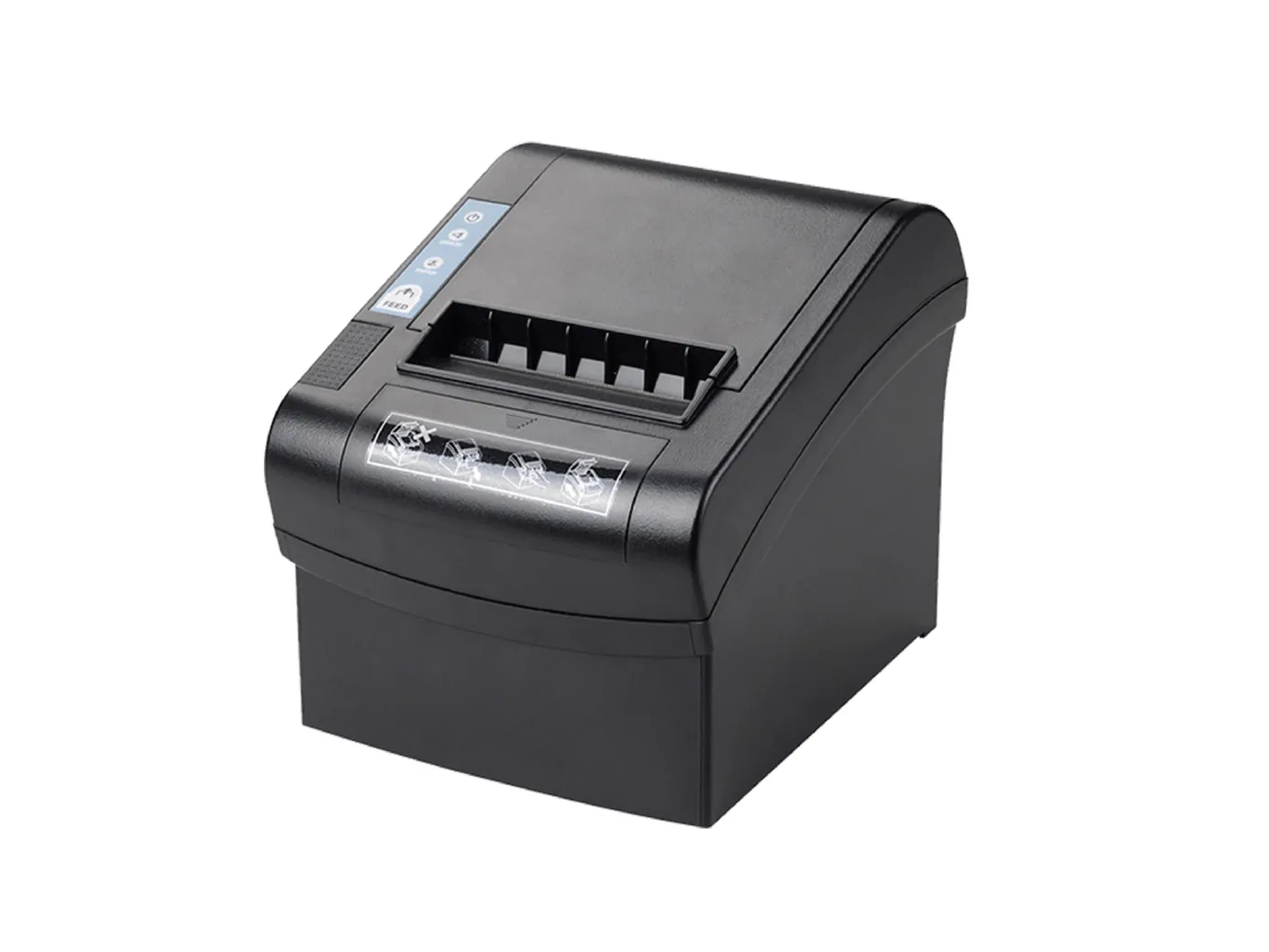
A dependable POS system starts with hardware that matches the practical needs of the business. While product specifications are important, the capabilities behind the equipment can have an equally significant effect on performance, compatibility, and long-term usability.
Businesses evaluating a POS Hardware Manufacturer should consider more than the available product catalog. Design expertise, production capabilities, quality management, and ongoing support all contribute to whether POS equipment can meet current requirements and remain useful as operations evolve.
The Three Core Manufacturer Capabilities
POS hardware manufacturing involves several stages, from initial product development to final customer support. These stages are closely connected and can influence the overall quality of the finished equipment.
The most important areas to examine are design, production, and support. Looking at all three provides a more complete picture of what a manufacturer can offer.
Design and Product Development
The design stage determines how POS hardware will function, look, connect, and perform in its intended environment. Manufacturers with product development capabilities can create equipment around specific operational requirements rather than relying solely on generic configurations.
Design considerations may include screen size, enclosure dimensions, internal components, connectivity, mounting options, and peripheral compatibility.
Designing for Commercial Use
POS equipment is typically used repeatedly throughout the business day. Designers therefore need to consider factors such as accessibility, durability, heat management, and ease of maintenance.
For example, a terminal intended for a busy retail counter may require a different physical configuration from equipment designed for a restaurant workstation. The operating environment should influence the design from the beginning.
Customization Options
Some businesses require customized hardware rather than standard products. Depending on the manufacturer’s capabilities, customization may involve external appearance, branding, component selection, ports, mounting arrangements, or other specifications.
Customization can be useful for businesses with specialized workflows or large deployments where consistent equipment configurations are important.
Production Capabilities
A strong product design needs a reliable manufacturing process behind it. Production capabilities determine how consistently a manufacturer can turn approved designs into finished POS equipment.
Businesses should consider manufacturing capacity, component sourcing, assembly processes, testing procedures, and quality-control practices when evaluating production capabilities.
Component Management
POS hardware depends on many individual components, including processors, displays, memory, storage, connectors, power supplies, and peripheral interfaces.
Manufacturers need appropriate processes for sourcing and managing these components. Consistent component quality can contribute to consistent performance across finished products.
Assembly and Testing
Assembly is more than putting components together. Each part needs to be installed correctly and tested as part of the completed device.
Manufacturers may conduct inspections during assembly and perform functional tests on finished units. These processes can help identify issues before equipment is packaged and delivered.
Quality Assurance During Production
Quality assurance supports consistency from one unit to another. POS hardware can be used in demanding commercial settings, so manufacturers need processes that identify defects and verify that products meet established specifications.
Quality checks may cover physical construction, electrical performance, displays, connectivity, peripheral communication, firmware, and other relevant functions.
A consistent testing process is particularly important for businesses purchasing equipment in larger quantities.
Supporting Hardware Compatibility
POS systems often include several connected devices. A terminal may need to communicate with barcode scanners, receipt printers, payment equipment, cash drawers, customer displays, or specialized peripherals.
Manufacturer capabilities should therefore include an understanding of hardware integration. Businesses should verify which interfaces and peripheral types are supported before selecting equipment.
Production Scalability
Manufacturing requirements can change as a business grows. An organization may begin with a small order and later require hundreds or thousands of units for additional locations.
A manufacturer with suitable production capacity can make larger deployments easier to manage. Businesses should discuss production volumes, lead times, minimum order quantities, and the ability to maintain consistent specifications across batches.
Technical Support After Delivery
The manufacturer’s role does not necessarily end when hardware reaches the customer. POS equipment can occasionally require troubleshooting, replacement components, firmware updates, or configuration assistance.
Technical support can help businesses address these issues without unnecessarily disrupting operations. Before purchasing, organizations should understand the support channels and services available.
Warranty and Repair Services
Warranty coverage is another important part of manufacturer support. Businesses should review what is covered, how long coverage lasts, and what procedures apply when a hardware problem occurs.
Repair and replacement processes should also be considered. Clear procedures can make it easier to manage equipment failures and reduce uncertainty when technical issues arise.
Documentation and Training
Documentation can make POS hardware easier to install, configure, and maintain. Manufacturers may provide product specifications, installation guides, connection information, troubleshooting instructions, and other technical materials.
Depending on the project, training or configuration assistance may also be useful. This can be especially relevant when a business deploys customized or specialized equipment across multiple locations.
Firmware and Product Updates
POS hardware can depend on firmware and related software components for proper operation. Manufacturers that maintain products over their lifecycle may provide updates or technical guidance when necessary.
Businesses should ask how updates are managed and whether future compatibility considerations are addressed. This can be particularly important for equipment expected to remain in service for several years.
Evaluating Manufacturer Capabilities
A simple evaluation framework can help businesses compare manufacturers:
| Capability | What to Evaluate |
|---|---|
| Design | Customization, ergonomics, specifications, and integration |
| Production | Manufacturing capacity, consistency, and lead times |
| Quality control | Testing, inspection, and defect management |
| Compatibility | Software and peripheral support |
| Scalability | Ability to handle changing order volumes |
| Technical support | Troubleshooting and configuration assistance |
| Warranty | Coverage, repairs, and replacement procedures |
| Lifecycle support | Components, updates, and long-term availability |
This approach helps shift the focus from individual product features to the manufacturer’s ability to support the complete hardware lifecycle.
Why End-to-End Capability Matters
Working with a manufacturer that understands design, production, and support can simplify hardware management. Instead of treating product development, manufacturing, and technical assistance as completely separate concerns, businesses can evaluate them as parts of one process.
This can be especially useful for organizations with specialized requirements or larger deployments. Consistent communication between development and production teams may also help reduce misunderstandings about technical specifications.
Questions to Ask Before Choosing
Businesses can gain a better understanding of a manufacturer’s capabilities by asking questions such as:
- Can hardware be customized for specific requirements?
- How are new designs prototyped and tested?
- What production volumes can be supported?
- How is quality controlled during manufacturing?
- Which POS software and peripherals are compatible?
- What technical support is available after delivery?
- How are repairs and replacements handled?
- Can the manufacturer support future product revisions?
- How are component availability and lifecycle changes managed?
The answers can help determine whether a manufacturer is suitable for both immediate and long-term requirements.
Final Thoughts
The capabilities of a POS hardware manufacturer extend well beyond producing physical devices. Design determines how equipment meets operational requirements, production ensures consistent delivery, and support helps businesses maintain their hardware after deployment.
Organizations should evaluate these capabilities together when selecting a manufacturing partner. By considering customization, quality control, production scalability, compatibility, warranty coverage, and ongoing technical support, businesses can make a more informed decision and build a POS hardware environment suited to their long-term needs.


