


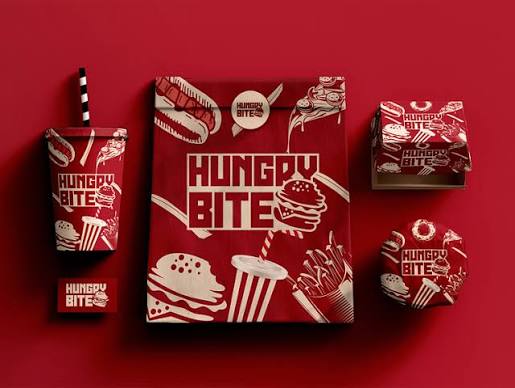
In the competitive food service industry, delivering delicious meals is only one part of creating a positive customer experience. The way food is packed, protected, and presented also plays an important role in customer satisfaction. Restaurants and takeaway services rely on suitable packaging to keep meals secure, maintain food quality, and make transportation more convenient.
Investing in quality Fast Food Packaging helps food businesses manage these requirements while building a consistent and professional image. Whether serving burgers, fried chicken, sandwiches, or complete meals, restaurants need packaging that can withstand everyday handling and meet the practical demands of takeaway and delivery operations.
Why Quality Packaging Matters in the Food Service Industry
Food packaging serves several purposes throughout the preparation, storage, and delivery process. Its quality can influence food presentation, operational efficiency, and how customers perceive a restaurant.
Protecting Food During Handling and Delivery
Prepared meals often pass through several stages before reaching customers. They may be placed in containers, carried by employees, stacked with other orders, and transported by delivery personnel.
Strong packaging helps protect food from external contamination, accidental spills, and physical damage. Secure closures and appropriately designed containers also reduce the risk of meals shifting during transportation.
Maintaining Food Quality and Freshness
Different food products respond differently to heat, moisture, and air exposure. Poor packaging can allow sauces to leak, fried foods to become soggy, or delicate ingredients to lose their original presentation.
Quality containers are designed to suit particular food requirements. For example, ventilated packaging can help release excess steam from hot fried products, while appropriately fitted boxes help maintain the shape of burgers and sandwiches.
Improving Customer Satisfaction
Customers expect takeaway meals to arrive in good condition. Packaging that opens easily, keeps food organized, and prevents unnecessary mess contributes to a more convenient dining experience.
When customers consistently receive properly packed meals, they are more likely to develop confidence in the restaurant’s service.
Key Benefits of High-Quality Fast Food Packaging
Choosing reliable packaging can provide restaurants with several practical and commercial advantages.
1. Better Food Presentation
Presentation influences how customers experience a meal. Well-structured containers help maintain the arrangement of ingredients and prevent food from becoming crushed or disorganized.
Clean packaging with appropriate dimensions also makes meals look more appealing when customers open their orders.
2. Reduced Leakage and Spillage
Sauces, oils, dressings, and other liquids can create problems during delivery if containers are not suitable for the food being served.
Quality packaging uses appropriate materials, secure closures, and functional designs to reduce leakage risks. Restaurants should select containers according to the moisture and grease content of their menu items.
3. Improved Transportation Convenience
Takeaway packaging should be easy to carry, stack, and store. Durable containers help employees prepare orders efficiently and make it easier for delivery personnel to handle multiple packages.
Practical designs can also reduce the space required for packaging storage in busy restaurant kitchens.
4. Consistent Service Standards
Using standardized packaging helps restaurants maintain consistency across different orders and locations.
When every meal is packed in a suitable container, employees can follow clearer procedures and reduce the chances of using incorrect packaging for particular food items.
5. Stronger Brand Recognition
Packaging can act as a visible extension of a restaurant’s identity. Custom printing, recognizable colors, and logo placement help businesses create a consistent appearance.
Customers may also associate attractive and functional packaging with attention to detail and professional service.
Different Types of Quality Packaging for Restaurant Menus
Restaurants serve a wide range of food products, so selecting the right packaging style is essential.
Burger Boxes
Burger boxes are designed to hold assembled burgers without putting excessive pressure on the buns and fillings. They should provide sufficient space while keeping the meal stable during delivery.
Grease-resistant materials are particularly useful for burgers containing sauces, cheese, and oily ingredients.
Fried Chicken Containers
Fried chicken packaging needs to support heavier portions while managing oil and moisture. Strong structures help prevent containers from collapsing, while suitable ventilation can reduce steam accumulation.
The correct design helps preserve the appearance and texture of fried products during transportation.
French Fry Packaging
French fry cartons and containers provide convenient access to snacks and side dishes. Their shape should support the food while making it easy for customers to eat directly from the package.
Ventilation is an important consideration because excess trapped moisture can affect crispness.
Sandwich Boxes
Sandwich packaging protects bread, fillings, and toppings from compression. Properly sized containers help maintain the sandwich’s structure and make it easier to transport without creating a mess.
Pizza and Meal Boxes
Pizza boxes need sufficient rigidity to support larger food products, while meal boxes may require separate compartments for different ingredients.
Compartmentalized designs are useful for keeping rice, vegetables, sauces, and main dishes organized.
How Packaging Quality Supports Restaurant Operations
Packaging does not only affect customers. It also influences the daily workflow of restaurant employees.
Faster Order Preparation
Packaging that is easy to assemble, fill, and close helps employees prepare orders more efficiently. Standardized container sizes and designs can simplify kitchen procedures, especially during busy periods.
Easier Storage and Inventory Management
Stackable and flat-packed packaging can help restaurants use storage space more effectively. Consistent product specifications also make it easier to estimate packaging requirements and manage inventory.
Fewer Packaging-Related Problems
Weak containers, unsuitable dimensions, and unreliable closures can lead to damaged orders and customer complaints. Selecting packaging that matches the menu helps reduce these avoidable issues.
Better Delivery Coordination
Delivery orders often include multiple food items and beverages. Packaging designed for secure handling makes it easier to organize separate products and reduce the possibility of spills or damage.
Materials That Influence Packaging Performance
The material used in food packaging affects its durability, appearance, and suitability for different meals.
Paperboard
Paperboard is commonly used for takeaway boxes, burger containers, and food cartons. It is lightweight, easy to print, and available in different thicknesses.
Its performance depends on the board grade and any additional protective treatments.
Kraft Paper
Kraft paper is widely used for food bags, wrappers, and selected containers. Its natural appearance makes it popular among businesses seeking a simple packaging style.
For oily or moist foods, suitable grease-resistant treatments may be necessary.
Corrugated Cardboard
Corrugated cardboard contains a fluted layer between flat sheets, providing additional strength and cushioning. It is often used for pizza boxes and packaging that needs greater structural support.
Plastic Materials
Plastic containers can provide moisture resistance, visibility, and convenient closure options. However, businesses should select food-contact materials that meet relevant safety requirements and consider appropriate disposal or recycling options.
Coated Paper Materials
Specialized coatings can improve paper packaging’s resistance to moisture and grease. Restaurants should check the coating’s suitability for the intended food application and whether it affects local recycling or composting options.
Important Features to Look for When Selecting Packaging
Not all packaging products offer the same level of performance. Restaurants should assess several characteristics before making purchasing decisions.
- Food-contact safety: Materials should be suitable for their intended food applications and meet relevant regulatory requirements.
- Structural strength: Containers should maintain their shape during filling, stacking, and transportation.
- Grease resistance: Packaging should handle oily foods without allowing excessive grease penetration.
- Moisture management: Materials and ventilation features should match the moisture characteristics of the food.
- Suitable dimensions: Containers should fit menu items without unnecessary movement or compression.
- Secure closures: Lids and folding mechanisms should remain closed during ordinary handling.
- Convenient handling: Packaging should be practical for restaurant employees, delivery workers, and customers.
Testing packaging with actual menu products is one of the most effective ways to evaluate whether it meets operational needs.
The Role of Sustainable Packaging Choices
Environmental responsibility is becoming an increasingly important consideration for restaurants and takeaway services. Businesses are exploring packaging options that balance food protection with reduced environmental impact.
Recyclable Materials
Paper-based packaging may be recyclable when its material composition, coatings, and level of food contamination allow it. Restaurants should consider the recycling facilities available in their operating areas.
Compostable Alternatives
Some packaging products are designed for composting under specific conditions. Businesses should verify relevant certifications and ensure that suitable composting facilities are accessible.
Reduced Material Consumption
Efficient packaging designs can use fewer materials while maintaining sufficient strength. Correctly sized containers also help avoid unnecessary packaging waste.
Responsible Supplier Selection
Restaurants should ask suppliers about material sourcing, production practices, environmental certifications, and disposal guidance rather than relying on general sustainability claims.
Common Mistakes Restaurants Should Avoid
Even businesses that understand the importance of packaging can make purchasing decisions that affect product quality and operating costs.
Some common mistakes include:
- Selecting packaging based only on its purchase price.
- Using the same container for foods with different requirements.
- Ignoring grease resistance and moisture management.
- Choosing packaging that is too large or too small.
- Failing to test containers under actual delivery conditions.
- Overlooking material safety and food-contact documentation.
- Ordering large quantities before confirming product quality.
Avoiding these mistakes helps restaurants make more informed choices and reduce packaging-related difficulties.
How to Choose a Reliable Fast Food Packaging Supplier
A dependable supplier contributes to consistent packaging quality and smoother business operations. Restaurants should evaluate potential suppliers based on product range, manufacturing capabilities, quality control, and delivery reliability.
It is useful to request samples before placing large orders. Testing these samples with different menu items can reveal whether the packaging provides sufficient strength, appropriate dimensions, and reliable performance.
Businesses should also discuss customization options, minimum order quantities, production timelines, and storage requirements. Clear communication helps prevent misunderstandings and supports long-term supplier relationships.
For restaurants exploring packaging solutions, Uchampak is one brand operating in the food packaging sector. Evaluating product specifications and matching them to actual menu requirements can help businesses identify suitable options.
Conclusion
Quality fast food packaging is an important part of successful restaurant and takeaway operations. It protects meals during handling, helps maintain food presentation, reduces the risk of spills, and supports a convenient customer experience.
The right packaging can also improve kitchen efficiency, simplify inventory management, and strengthen brand recognition. By evaluating materials, structural performance, food safety, and supplier reliability, restaurants can make practical packaging decisions that support consistent service and long-term business growth.


