


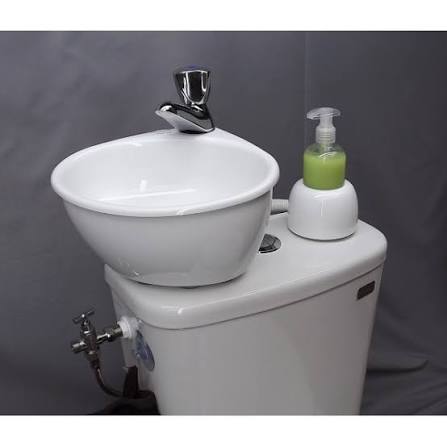
How to Match a Small Basin for Bathroom with Modern Interior Designs
Modern bathroom design focuses on simplicity, functionality, and a balanced use of space. In compact homes, every fixture contributes to the overall appearance and usability of the room. A carefully selected basin can complement the bathroom’s colors, materials, lighting, and storage solutions while keeping the layout comfortable and uncluttered.
Choosing a Small Basin for Bathroom interiors requires more than finding a fixture that fits a limited area. The basin should work with the room’s architectural style, existing plumbing, and daily requirements. By coordinating its shape, finish, and installation method with other design elements, homeowners can create a modern bathroom that feels cohesive, practical, and visually appealing.
1. Choose a Basin Shape That Complements the Interior
The shape of a basin influences the visual balance of a bathroom. Modern interiors often feature clean lines, geometric patterns, and simple forms, making rectangular, square, and oval basins popular choices.
Rectangular basins work particularly well in bathrooms with straight-edged vanities, large-format tiles, and minimalist mirrors. Their structured appearance creates a consistent design language throughout the space.
Oval and round basins introduce softer curves that can balance angular furniture and fittings. They are suitable for bathrooms that combine contemporary features with warmer, more relaxed elements.
When choosing a shape, consider the proportions of nearby fixtures. A compact basin should look balanced beside the vanity, mirror, and faucet rather than appearing oversized or too small for the surrounding space.
2. Coordinate the Basin Color With the Bathroom Palette
Color coordination is essential for creating a harmonious modern bathroom. Although white remains a popular basin color, contemporary interiors also incorporate black, gray, beige, and other neutral tones.
White basins are versatile because they complement almost any wall color or tile pattern. They work especially well with light gray walls, natural wood cabinets, and chrome fittings.
Dark basins can introduce contrast and visual depth. A matte black basin, for example, may complement dark hardware, charcoal tiles, or a monochromatic interior. However, water spots and soap residue can be more noticeable on some dark finishes.
For a softer appearance, consider warm neutrals such as beige or cream. These shades coordinate well with wood textures, stone-inspired surfaces, and warm lighting.
A useful approach is to select two or three primary colors and repeat them across the basin area, vanity, walls, and accessories. This helps prevent a compact bathroom from feeling visually busy.
3. Match the Basin Material With Modern Finishes
The material of a bathroom basin affects its texture, maintenance requirements, and overall appearance. Selecting a material that complements nearby surfaces can make the entire room feel more coordinated.
Ceramic and Porcelain for Timeless Interiors
Ceramic and porcelain basins are suitable for many modern bathroom styles because their smooth surfaces and familiar finishes pair easily with different materials. They work well with marble-effect tiles, wooden vanities, glass shower screens, and metal fixtures.
These materials are also relatively straightforward to maintain when used and cleaned according to the manufacturer’s instructions.
Solid Surface for Contemporary Spaces
Solid-surface basins often feature smooth contours and streamlined profiles. Some models can be integrated with a matching countertop, creating a consistent appearance with fewer visible joints.
This material is particularly suitable for minimalist bathrooms where visual continuity and simple geometry are important.
Natural Stone for Texture and Character
Natural stone can introduce distinctive patterns and organic texture into a modern bathroom. A stone basin can complement timber cabinets, neutral walls, and brushed metal fittings.
However, stone varieties differ in porosity and chemical resistance. Check the manufacturer’s care instructions before selecting a stone basin for a frequently used bathroom.
4. Select the Right Mounting Style for the Layout
The basin’s installation method should complement both the interior design and the available space. Wall-mounted, countertop, and integrated vanity basins each create a different visual effect.
Wall-Mounted Basins for Minimalist Bathrooms
Wall-mounted basins leave the floor beneath them open, helping compact bathrooms appear less crowded. They pair well with floating shelves, simple mirrors, and concealed storage.
This arrangement is useful when maintaining an open floor area is more important than having a large vanity.
Countertop Basins for Decorative Interiors
Countertop basins can become a focal point in a modern bathroom. Their visible bowl shapes allow homeowners to introduce contrasting colors, materials, or sculptural forms.
Pairing a compact vessel basin with a slim vanity can create a stylish washing area without overwhelming the room. Pay attention to the combined height of the countertop and bowl to ensure comfortable use.
Integrated Basins for a Seamless Appearance
Integrated basin and countertop designs create a continuous surface that suits contemporary interiors. They can reduce visible transitions around the bowl and make the washing area appear organized.
This option is particularly effective when the bathroom design emphasizes uninterrupted surfaces and concealed storage.
5. Pair the Basin With the Right Faucet Finish
Faucets are small details that can significantly influence the overall bathroom design. Matching the faucet finish with other hardware helps create a consistent appearance.
Chrome remains a versatile choice for modern interiors because it complements white basins, neutral tiles, and glass surfaces. Brushed nickel offers a softer metallic appearance and can work well with warm or cool color schemes.
Matte black faucets are suitable for contemporary bathrooms that use strong contrasts. Brushed brass can add warmth to interiors featuring beige tiles, natural wood, or cream-colored surfaces.
The faucet should also match the basin’s physical design. Check its height, reach, mounting position, and compatibility with the bowl before installation.
Avoid choosing fittings based only on color. A well-coordinated faucet must also direct water toward the center of the basin to reduce splashing.
6. Coordinate the Basin With the Vanity and Storage
In a compact bathroom, the basin and vanity should function as a single design arrangement. Their proportions, materials, and finishes influence both the room’s appearance and its everyday practicality.
A floating vanity can create a sense of openness by revealing more floor space. Pairing it with a simple rectangular basin supports a clean, architectural look.
Wood-effect cabinetry can soften a modern bathroom dominated by white surfaces and metal fixtures. For a more understated style, handleless cabinets and neutral finishes help reduce visual clutter.
If the bathroom has limited storage, choose a basin configuration that leaves room for drawers or shelves. If storage is already sufficient, a wall-mounted basin may provide a lighter and less crowded appearance.
Before purchasing, measure the available width and depth of the vanity area. Make sure the basin leaves enough space for faucet fittings, toiletries, and comfortable movement.
7. Use Mirrors and Lighting to Enhance the Basin Area
Mirrors and lighting can make a small bathroom feel brighter and more spacious. Their arrangement should complement the basin’s dimensions and shape.
A rectangular basin often pairs well with a rectangular mirror, creating a consistent geometric appearance. Round mirrors can soften the look of angular basins and straight-edged vanities.
Lighting should provide sufficient illumination for everyday tasks such as washing and grooming. Wall lights positioned beside a mirror can help reduce harsh shadows, while suitable overhead lighting provides general visibility.
For a contemporary finish, consider lighting with a neutral or warm color temperature that suits the bathroom’s overall palette. Ensure all fixtures are appropriately rated for their installation location and comply with local electrical safety requirements.
Avoid using oversized mirrors or decorative lights that dominate a very small washing area. Proportion is more important than the number of design features.
8. Match the Basin With Wall and Floor Tiles
Tiles create the visual background for the basin, so their color, texture, and pattern should complement the fixture.
Large-format tiles can create a more continuous appearance because they have fewer grout lines. Light-colored tiles may also help a small bathroom feel brighter, especially when combined with adequate lighting.
Textured or stone-effect tiles can add character without requiring complicated decorative elements. A simple white basin provides a neutral contrast against these surfaces.
For bathrooms with patterned tiles, a plain basin and understated vanity often create the best balance. Conversely, a decorative countertop basin may work well against a relatively simple wall finish.
Consider slip resistance when selecting floor tiles, particularly in areas exposed to water. Visual coordination should not come at the expense of safety or practical maintenance.
9. Create a Consistent Modern Style
Modern bathrooms can follow several different design directions. Identifying a preferred style before selecting fixtures makes it easier to coordinate colors, materials, and accessories.
Minimalist Style
Minimalist bathrooms emphasize simplicity, uncluttered surfaces, and functional fixtures. A wall-mounted basin, frameless mirror, neutral tiles, and concealed storage can support this look.
Limit decorative accessories and use a consistent finish for faucets, towel rails, and cabinet hardware.
Scandinavian-Inspired Style
Scandinavian-inspired interiors combine practical layouts with natural textures and light colors. A white or softly curved basin can pair well with pale wood, beige surfaces, and simple lighting.
The result is a comfortable, understated space that avoids excessive decoration.
Industrial Modern Style
Industrial-inspired bathrooms often use dark metal fittings, concrete-effect tiles, and strong geometric shapes. A rectangular basin or a simple countertop model can complement these materials.
Use contrasting textures carefully so the room retains a balanced appearance rather than becoming visually heavy.
Contemporary Luxury Style
Contemporary luxury bathrooms often combine refined surfaces, subtle lighting, and coordinated hardware. A solid-surface or stone basin can work well with a matching vanity, large mirrors, and restrained metallic accents.
In compact rooms, choose one or two standout features instead of adding too many decorative elements.
10. Common Design Mistakes to Avoid
Even a well-chosen basin can look out of place if it conflicts with the bathroom’s proportions or finishes. Avoid these common mistakes when planning a modern interior:
- Mixing too many finishes: Limit the number of competing colors and metal finishes to maintain visual consistency.
- Ignoring proportions: Ensure the basin size suits the vanity, mirror, and available wall space.
- Choosing style over usability: Check bowl depth, faucet reach, and installation height before making a final decision.
- Overcrowding the countertop: Keep essential items accessible without filling every available surface.
- Using unsuitable cleaning products: Follow material-specific maintenance instructions to protect the basin’s finish.
- Neglecting plumbing requirements: Confirm drain positions, water connections, and mounting support before installation.
Planning these details together helps prevent design inconsistencies and unnecessary renovation work.
Practical Tips for Choosing the Right Basin
Before finalizing your bathroom design, evaluate the basin in the context of the entire room rather than as an isolated fixture.
Use this checklist to guide your selection:
- Measure the available installation area, including the basin’s projection from the wall.
- Select a shape and color that complement the vanity, tiles, and mirror.
- Compare materials based on durability, maintenance, and appearance.
- Check faucet compatibility and the combined installation height.
- Decide whether open floor space or integrated storage is the greater priority.
- Review the manufacturer’s installation and cleaning requirements.
These steps can help you select a basin that supports the intended style without sacrificing comfort or functionality.
Conclusion
Matching a small bathroom basin with modern interior design involves coordinating shape, color, material, mounting style, and surrounding fixtures. A successful design should look cohesive while supporting comfortable daily use and making efficient use of the available space.
Wall-mounted basins are well suited to minimalist layouts, while countertop and integrated models offer additional opportunities for decorative styling and storage. Ceramic, porcelain, and solid-surface materials can complement a wide range of modern interiors, while natural stone offers distinctive texture when its maintenance requirements are considered.
By planning the basin alongside the vanity, faucet, mirror, lighting, and tiles, homeowners can create a compact bathroom that feels organized, balanced, and contemporary.


