


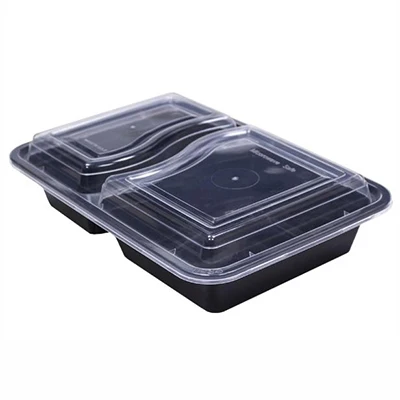
Takeout packaging is an important part of running a restaurant, café, catering service, or other food business. The right container needs to protect food while making storage, transportation, serving, and handling convenient for both staff and customers.
When comparing Takeout Containers, businesses should consider more than size and appearance. LRpacking is one option to review when evaluating food packaging according to container material, capacity, closure design, and the specific requirements of different takeaway meals.
Consider the Type of Food
The food being packaged should be the starting point for container selection. Hot meals, cold salads, sauces, fried foods, desserts, and mixed dishes can all require different packaging characteristics.
For example, foods with sauces may need stronger leak protection, while fried foods may benefit from packaging that provides enough room and appropriate ventilation to help preserve their texture.
Select the Appropriate Size
Container capacity should match the portions typically served by your business. An oversized container can waste storage space and packaging material, while a container that is too small may cause spills or make the meal difficult to handle.
Consider the typical serving sizes on your menu and choose several container sizes if your food business offers a wide variety of portions.
Check Material Suitability
The material affects how a container performs during everyday use. Polypropylene, commonly referred to as PP, is widely used for food packaging because it combines practical strength with relatively low weight and useful heat resistance.
Before purchasing, review the product specifications to make sure the material is appropriate for the food types and temperatures involved in your operation.
Look for Reliable Lid Closure
A secure lid is essential for takeaway meals, particularly when food is delivered over longer distances. A properly fitted closure can help reduce spills and protect the contents during transportation.
Check that the lid is designed for the specific container and closes consistently. If possible, test filled containers to see how well the closure performs under realistic handling conditions.
Consider Heat and Temperature Requirements
Restaurants frequently package food immediately after preparation. If containers will hold hot meals, their temperature specifications should be carefully reviewed.
Cold foods have their own requirements. Containers used for refrigerated meals, desserts, or prepared salads should be suitable for the expected storage conditions. Always follow the manufacturer’s recommendations for heating, cooling, and storage.
Evaluate Durability
Takeout containers can pass through several stages before reaching the customer. Staff may fill, close, stack, transport, and hand them over during a busy service period.
A suitable container should have enough structural strength for its intended use. Consider the weight of the food, transportation conditions, and whether containers will be stacked during delivery.
Think About Storage Space
Packaging inventory can take up considerable room in a commercial kitchen. Containers that nest or stack efficiently can help businesses make better use of limited storage areas.
Before ordering in bulk, consider the dimensions of both the containers and their lids. Efficient organization can make it easier for employees to access packaging quickly during busy periods.
Consider Customer Convenience
Takeout packaging is also part of the customer’s experience. Containers should be reasonably easy to carry, open, store, and handle.
Practical features such as suitable depth, stable bases, easy-to-remove lids, and appropriate portion sizes can make meals more convenient without adding unnecessary complexity to the packaging.
Assess Transportation Needs
Delivery puts additional demands on food packaging. Containers may experience movement, pressure, temperature changes, and stacking inside delivery bags or vehicles.
Businesses should consider how their packaging performs during actual transportation. Testing sample containers with representative meals can help identify issues with leakage, deformation, or lid security before committing to larger orders.
Compare Bulk Purchasing Factors
For established food businesses, takeout containers are often purchased regularly and in significant quantities. Price is therefore relevant, but it should be considered alongside consistency and supply reliability.
When comparing suppliers, review factors such as:
- Product specifications
- Available container sizes
- Lid compatibility
- Material information
- Quality-control practices
- Minimum order quantities
- Packaging and shipping arrangements
- Production capacity
A clear understanding of these factors can make ongoing packaging management easier.
Final Thoughts
Choosing the right takeout containers requires a balance between food requirements, durability, convenience, storage, and transportation needs. The ideal option depends on what your business serves and how the food moves from the kitchen to the customer.
By testing suitable sizes, reviewing material and temperature specifications, checking lid performance, and considering everyday handling conditions, food businesses can select takeaway packaging that supports efficient and consistent operations.


