


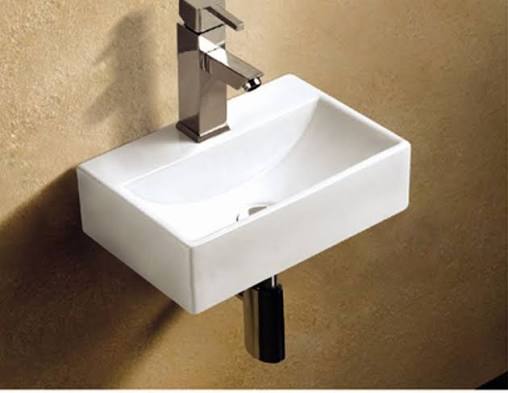
How to Choose the Best Small Hand Basins for Toilets with Limited Space
Choosing a hand basin for a compact toilet room requires careful attention to dimensions, usability, and installation requirements. In apartments, guest toilets, and small commercial washrooms, limited wall space and narrow walkways can make it difficult to install a conventional basin without affecting movement. The right design can provide convenient handwashing facilities while keeping the room comfortable and organized.
When comparing Small Hand Basins for Toilets, consider more than the external size. Bowl depth, mounting style, tap position, material, and plumbing compatibility all influence everyday performance. By understanding these factors before purchasing, you can select a basin that makes effective use of limited space without sacrificing functionality.
1. Measure the Available Space Accurately
The first step is to determine how much room is available for the basin. Measure the wall width, the distance between the proposed basin location and the toilet, and the clearance needed for the doorway to open fully.
Depth is particularly important in narrow toilet rooms. A basin may fit along the wall but extend too far into the walkway, making the space uncomfortable to use.
Remember to account for taps, mounting brackets, pedestals, and vanity cabinets. Reviewing the manufacturer’s technical drawings can help you understand the complete footprint before making a purchase.
It is also wise to mark the proposed basin dimensions on the wall or floor. This simple step can reveal potential obstructions before installation begins.
2. Choose a Space-Saving Basin Shape
The shape of a basin affects how efficiently it fits into a small room. Different profiles work better with different layouts, so consider the position of the toilet, door, and surrounding walls.
Rectangular Hand Basins
Rectangular basins offer a clean, modern appearance and can fit neatly against straight walls. Narrow models are useful where wall width is limited, although their depth and internal bowl capacity should be checked carefully.
Rounded Hand Basins
Rounded basins introduce softer lines and can work well in contemporary or traditional interiors. Their curved edges may be useful in confined spaces where sharp corners could interfere with movement.
Corner Hand Basins
Corner basins make use of the junction between two walls. They can be particularly practical in very small toilet rooms where a conventional wall-mounted basin would obstruct the main walkway.
Whichever shape you choose, ensure the bowl provides enough room for comfortable handwashing and that the tap remains easy to reach.
3. Consider Wall-Mounted Basins for Better Floor Clearance
Wall-mounted basins are often suitable for compact toilet rooms because they leave the floor underneath open. This can create a more spacious visual effect and make cleaning easier.
They are available in different widths, depths, and shapes, allowing homeowners to choose a design that suits their layout.
However, wall-mounted installation requires suitable structural support. The wall and mounting hardware must safely carry the fixture’s weight, and plumbing connections should be positioned correctly.
Before purchasing, check the manufacturer’s installation instructions and determine whether reinforcement or plumbing adjustments will be necessary.
4. Evaluate Bowl Depth and Handwashing Comfort
A small basin should save space without making everyday use inconvenient. One common mistake is selecting an extremely shallow bowl simply because it has a compact external profile.
If the bowl does not contain water effectively, splashes may reach nearby walls or flooring. A deeper basin can improve splash control, but excessive depth may increase its projection into the room.
Look for a practical balance between external dimensions and internal capacity. The basin’s shape and tap position should allow water to flow into the bowl comfortably.
If product specifications are available, compare the internal width and depth rather than relying on external measurements alone.
5. Check Tap Position and Compatibility
The tap plays an important role in the functionality of a compact hand basin. A poorly positioned outlet may direct water toward the edge of the bowl, increasing splashing and making handwashing less convenient.
Some basins have pre-drilled tap holes, while others require wall-mounted or separately installed taps. The correct arrangement depends on the basin design and existing plumbing.
Before purchasing, check:
- Whether the basin includes a tap hole.
- The required tap type and dimensions.
- The position of the water supply connections.
- Compatibility with the waste outlet and drainage pipe.
- The clearance needed to operate the tap comfortably.
Matching the basin and tap carefully can improve usability and help avoid unnecessary installation work.
6. Select a Durable, Easy-to-Clean Material
The material affects a basin’s appearance, maintenance requirements, and long-term performance. Ceramic is widely used because its glazed surface is generally easy to clean and suits many interior styles.
Porcelain and solid-surface options are also available, depending on the desired appearance and product specifications. Their characteristics vary by manufacturer, so it is important to evaluate individual products rather than relying on material labels alone.
For frequently used toilet rooms, a smooth surface with accessible edges can make routine cleaning easier. Check the manufacturer’s recommendations for cleaning products and maintenance to protect the finish over time.
Also review the warranty and available product documentation before making a final decision.
7. Decide Whether a Pedestal or Vanity Is Necessary
Although wall-mounted basins preserve floor clearance, other designs may suit particular layouts or storage requirements.
Pedestal Basins
A pedestal basin can conceal some plumbing components and create a traditional appearance. However, the pedestal occupies floor space and may make cleaning around the base more difficult.
Measure the complete fixture to ensure it does not obstruct movement.
Compact Vanity Basins
A small vanity can provide storage for soap, cleaning supplies, and other essentials. This may be useful in a guest toilet where keeping items organized is important.
However, the cabinet adds to the basin’s overall footprint. Choose a shallow unit and confirm that doors or drawers can open without interfering with the toilet or doorway.
If storage is not essential, a wall-mounted basin may be the more space-efficient choice.
8. Consider the Needs of Different Users
A basin should be comfortable for the people who will use it. In family homes and shared toilet facilities, users may have different heights, mobility needs, and preferences.
Consider the mounting height, tap accessibility, and space available to approach the basin. A fixture that is too high, too low, or positioned too close to another object can make handwashing difficult.
Where accessibility is important, check applicable local requirements and allow suitable clearance around the fixture. Professional advice may help determine an appropriate arrangement for users with mobility limitations.
For public or commercial toilets, also consider the expected frequency of use and the need for durable fittings.
9. Match the Basin With the Toilet Room’s Design
A compact hand basin can improve the appearance of a small toilet room when its style complements the surrounding fixtures.
White basins remain a versatile option for modern and traditional interiors. Neutral colors can create a calm appearance, while contrasting taps or carefully selected accessories can introduce visual interest.
Consider how the basin’s shape relates to the toilet, mirror, wall tiles, and lighting. A rectangular basin may suit a room with clean geometric lines, while a rounded design can soften the overall look.
Avoid adding too many decorative elements around the basin. In limited spaces, a simple and coordinated design often feels more comfortable and organized.
10. Review Plumbing and Installation Requirements
A compact basin is not necessarily simple to install. The mounting method, wall construction, and location of existing plumbing all influence the work required.
Before buying, compare the basin’s technical drawings with the existing water supply and drainage connections. Check whether mounting hardware is included and whether any components must be purchased separately.
If you are replacing an existing basin, choosing a model with compatible connections may reduce installation time and expense.
For wall-mounted fixtures, verify the strength of the supporting structure. If pipes need to be relocated or the wall requires reinforcement, consult a qualified plumber or installer before proceeding.
Correct installation helps prevent leaks, unstable fittings, and damage to surrounding surfaces.
11. Compare Price and Long-Term Value
Price is an important consideration, but the cheapest basin may not be the most economical choice over time. The total cost can include the fixture, tap, waste fittings, mounting hardware, plumbing changes, and installation labor.
Compare products based on their dimensions, material quality, finish, warranty, and maintenance requirements.
A well-made basin that fits the available space and works with the existing plumbing may offer better value than a more expensive model that requires substantial modifications.
It is also helpful to confirm the availability of replacement fittings and after-sales support, especially if the basin will be used frequently.
12. Common Mistakes to Avoid
Before making a purchase, be aware of several mistakes that can reduce the usefulness of a compact hand basin.
- Choosing by width alone: The basin’s depth and projection are equally important.
- Ignoring bowl capacity: An excessively shallow bowl can increase splashing.
- Overlooking door clearance: A poorly positioned fixture can obstruct movement.
- Forgetting plumbing compatibility: Incorrect connections may increase installation costs.
- Selecting a bulky support: A large pedestal or vanity can occupy too much floor space.
- Neglecting cleaning access: Narrow gaps and complicated shapes may be difficult to maintain.
- Skipping installation checks: Inadequate wall support can create safety and durability problems.
Taking time to review these details before purchasing can help prevent avoidable expenses and improve everyday convenience.
Conclusion
Choosing the best hand basin for a toilet with limited space requires a balance of compact dimensions, comfortable bowl capacity, practical mounting, and durable materials. Wall-mounted and corner designs can help preserve floor clearance, while pedestal and vanity options may suit specific styling or storage needs.
Before making a final decision, measure the room carefully, check tap and drainage compatibility, and review the manufacturer’s installation instructions. Consider the needs of the intended users and compare the total installed cost rather than focusing solely on the purchase price.
With careful planning, a well-chosen small hand basin can provide convenient handwashing, simplify maintenance, and make even a narrow toilet room feel more functional and organized.


