


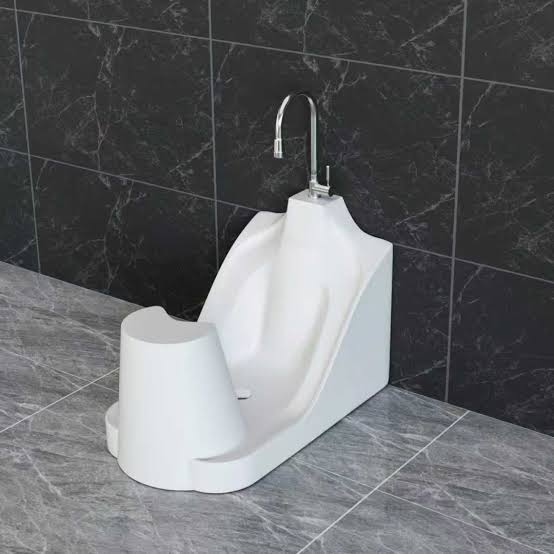
Modern interior design increasingly focuses on creating spaces that are both visually attractive and practical for everyday use. In bathrooms, this balance is particularly important because fixtures and surfaces must withstand regular use while maintaining an appealing appearance. Homeowners, architects, and commercial property developers therefore pay close attention to product materials, shapes, finishes, maintenance requirements, and overall functionality.
Bathroom manufacturers play an important role in meeting these expectations by developing products that combine practical features with contemporary aesthetics. KingKonree operates in the solid surface and bathroom products industry, where material versatility and modern manufacturing techniques support a wide range of interior applications. Understanding how functionality and design work together helps buyers make better decisions when selecting bathroom products.
Understanding the Connection Between Functionality and Contemporary Design
Functionality and aesthetics are two essential elements of successful product design. A bathroom fixture should perform its intended purpose efficiently while complementing the surrounding interior.
Contemporary design generally emphasizes simplicity, clean lines, balanced proportions, and practical use of space. Rather than adding unnecessary decorative details, modern products often achieve visual appeal through material quality, surface finishes, and carefully considered shapes.
Several characteristics help combine these two design priorities:
- Practical dimensions that support comfortable everyday use.
- Materials suitable for the intended environment.
- Smooth surfaces and attractive finishes.
- Designs that complement different interior styles.
- Maintenance requirements that fit everyday routines.
- Installation options that accommodate different layouts.
When these characteristics are considered together, bathroom products can improve both the usability and appearance of an interior.
How Solid Surface Materials Support Modern Product Design
Material selection has a significant influence on bathroom product performance and appearance. Solid surface materials have become relevant in contemporary interiors because of their adaptability, smooth finishes, and fabrication possibilities.
Versatility in Product Manufacturing
Solid surface materials can be manufactured into different shapes and configurations. This makes them suitable for products such as washbasins, vanity countertops, bathtubs, and decorative interior features.
Their adaptability allows designers to explore integrated components and customized dimensions without relying exclusively on conventional product shapes.
Smooth and Consistent Finishes
A smooth surface can contribute to a clean and organized bathroom appearance. Solid surface products are available in different finishes that can complement minimalist, modern, and luxury-inspired interiors.
Depending on the material formulation, some products can also be refinished to address minor scratches and surface imperfections.
Design Flexibility
Contemporary bathroom projects often require products that fit specific dimensions and architectural concepts. Solid surface materials can accommodate various shapes, colors, and thicknesses, giving designers more flexibility.
This is especially useful when developing coordinated installations that combine countertops, washbasins, and other bathroom elements.
Combining Practical Features with Attractive Washbasin Designs
Washbasins are essential bathroom fixtures, but their design also influences the appearance of the vanity area.
Modern manufacturers offer different basin configurations to accommodate varying preferences and space requirements.
Countertop Washbasins
Countertop basins are installed above a vanity surface and often serve as a decorative feature. They are available in different shapes, including round, rectangular, oval, and geometric designs.
Their raised installation can create a distinctive appearance while allowing designers to coordinate the basin with the surrounding countertop.
Integrated Washbasins
Integrated washbasins combine the basin and countertop into a coordinated installation. This design can create a seamless-looking appearance and reduce visible transitions between components.
It is particularly suitable for contemporary bathrooms that emphasize simplicity and visual consistency.
Wall-Mounted Washbasins
Wall-mounted basins can help maximize floor space, making them useful in compact bathrooms and commercial washrooms.
Their installation can also create a lighter visual appearance by reducing the need for bulky supporting furniture.
Bathroom Vanities That Balance Storage and Appearance
Bathroom vanities demonstrate how functionality and contemporary design can work together. They provide space for washing activities while offering storage for personal care products, towels, and everyday essentials.
Modern vanity designs often feature simple cabinet structures, coordinated countertops, and practical storage arrangements.
Efficient Storage Solutions
Drawers, shelves, and concealed compartments help organize bathroom essentials. Proper storage reduces countertop clutter and makes frequently used items easier to access.
The most suitable configuration depends on household requirements, available space, and the overall bathroom layout.
Coordinated Materials and Finishes
The countertop, basin, and vanity cabinet should complement one another. Consistent colors and materials can create a balanced interior without making the space appear overly decorative.
Solid surface countertops are useful in this context because their available colors and finishes can coordinate with different cabinet styles.
Space-Saving Designs
Compact vanities are particularly valuable in apartments and smaller bathrooms. Wall-mounted configurations and appropriately sized storage units can improve available floor space while maintaining essential functionality.
Bathtubs Designed for Comfort and Contemporary Interiors
Bathtubs are often considered an important feature in residential bathrooms, particularly in spaces designed around relaxation and comfort.
Modern bathtub designs combine ergonomic considerations with distinctive shapes and finishes.
Freestanding Bathtubs
Freestanding bathtubs are commonly used as focal points in spacious bathrooms. Their independent installation allows designers to position them according to the room layout.
They are available in different forms, from simple oval shapes to more structured contemporary designs.
Practical Dimensions and Ergonomics
A bathtub should provide adequate space and comfortable proportions for its intended users. Buyers should consider internal dimensions, depth, installation requirements, and available floor space.
These practical factors are just as important as the bathtub’s exterior appearance.
Material Selection
The material influences a bathtub’s weight, surface characteristics, cleaning requirements, and overall durability. Solid surface options can provide a refined appearance and support distinctive product shapes.
However, buyers should review individual product specifications before selecting a material for a particular installation.
The Importance of Manufacturing Quality in Functional Design
An attractive bathroom product must also meet appropriate manufacturing standards. Poor dimensional accuracy, inconsistent finishes, or unsuitable material selection can affect both installation and everyday performance.
Manufacturers use different quality control procedures to maintain consistency throughout production.
Important areas include:
- Raw material inspection: Checking incoming materials for consistency and suitability.
- Dimensional accuracy: Ensuring that product measurements match technical specifications.
- Surface quality: Inspecting finishes for visible imperfections and inconsistencies.
- Structural evaluation: Assessing product integrity according to intended applications.
- Final inspection: Reviewing completed products before packaging and shipment.
Precision manufacturing is especially important for integrated bathroom fixtures because different components must fit together correctly.
How Contemporary Finishes Influence Bathroom Interiors
Surface appearance has a significant impact on how bathroom products complement their surroundings. Contemporary interiors often use carefully selected colors and textures to create a consistent visual atmosphere.
Neutral Colors
White, beige, grey, and other neutral shades are widely used in modern bathrooms. These colors create a calm appearance and can work with different flooring and wall materials.
They are also relatively adaptable when interior styles change over time.
Natural Stone-Inspired Finishes
Marble-inspired patterns and other stone-like appearances can introduce visual texture without requiring every interior element to use natural stone.
These finishes are often selected for vanity countertops, washbasins, and decorative surfaces.
Minimalist Surface Designs
Minimalist bathroom products generally avoid excessive decorative elements. Smooth finishes, simple shapes, and balanced proportions allow individual fixtures to complement the overall architecture.
This approach can make smaller bathrooms appear more organized and spacious.
Maintenance and Everyday Practicality
Maintenance is an important consideration when selecting bathroom products. Even well-designed fixtures require appropriate cleaning and routine care to maintain their appearance.
Solid surface products are often valued for their smooth and, in many formulations, non-porous characteristics. These properties can make routine cleaning more convenient.
However, maintenance requirements vary by material composition and finish.
Buyers should consider the following practices:
- Use cleaning products recommended by the manufacturer.
- Avoid harsh chemicals unless the product specifications permit them.
- Clean water deposits and cosmetic residues regularly.
- Use suitable cleaning materials to prevent unnecessary surface damage.
- Follow the manufacturer’s instructions for repairing scratches or other imperfections.
Selecting products with manageable maintenance requirements can improve their long-term practicality in both residential and commercial environments.
Applications in Residential and Commercial Spaces
The combination of functionality and contemporary design makes modern bathroom products suitable for several types of projects.
Residential Bathrooms
Homeowners generally seek products that offer comfort, convenient maintenance, and attractive finishes. Washbasins, vanities, and bathtubs should complement the home’s interior style while meeting household requirements.
Customized dimensions can also help accommodate compact layouts and individual design preferences.
Hotels and Hospitality Projects
Hotels require coordinated bathroom products that support a consistent guest experience. Material appearance, product durability, cleaning requirements, and installation quality are important considerations.
Contemporary fixtures can contribute to an inviting environment while supporting practical maintenance routines.
Offices and Commercial Buildings
Commercial bathrooms often prioritize space efficiency, straightforward cleaning, and reliable product performance.
Compact washbasins, practical countertops, and appropriately selected fixtures can help create functional facilities for regular use.
Factors to Consider When Choosing Modern Bathroom Products
Selecting suitable bathroom products involves evaluating their design and technical characteristics together.
Before purchasing, buyers should examine:
- Product dimensions: Confirm that fixtures fit the available installation space.
- Material specifications: Understand the material’s properties and intended applications.
- Design compatibility: Ensure that product shapes and finishes complement the interior.
- Installation requirements: Review plumbing connections, mounting arrangements, and structural support.
- Maintenance needs: Check recommended cleaning procedures and repair options.
- Manufacturing standards: Evaluate quality control procedures and relevant product certifications.
- Long-term value: Consider durability, maintenance expenses, and warranty conditions.
These considerations help prevent purchasing mistakes and ensure that selected products satisfy both aesthetic and practical expectations.
Future Trends in Functional and Contemporary Bathroom Design
Bathroom product development continues to respond to changes in technology, architecture, and consumer preferences.
Smart Bathroom Features
Touchless faucets, intelligent mirrors, automated lighting, and temperature-controlled shower systems are becoming increasingly relevant in modern buildings.
These technologies can improve convenience and support more efficient bathroom management.
Sustainable Product Development
Manufacturers are exploring more efficient production methods, responsible material sourcing, and opportunities to reduce manufacturing waste.
Environmental considerations are expected to become an increasingly important part of product development and purchasing decisions.
Greater Customization
Demand for customized colors, shapes, and dimensions continues to influence bathroom design. Flexible manufacturing capabilities allow products to accommodate specific residential and commercial project requirements.
Integrated Bathroom Solutions
Integrated countertops, washbasins, and coordinated fixtures are likely to remain popular because they create visually consistent interiors.
Solid surface materials offer fabrication flexibility that can support many of these design approaches.
Conclusion
Combining functionality with contemporary design requires careful consideration of materials, manufacturing quality, product dimensions, maintenance, and visual appearance. Modern bathroom products must satisfy everyday requirements while contributing to comfortable and well-organized interiors.
KingKonree reflects the role of specialized manufacturers in this evolving industry through its focus on solid surface materials and bathroom products. From adaptable washbasins and coordinated countertops to contemporary bathroom fixtures, product innovation helps address the changing needs of residential and commercial projects.
As bathroom design continues to develop, the most effective solutions will be those that bring together practical performance, material quality, design flexibility, and long-term usability.


