


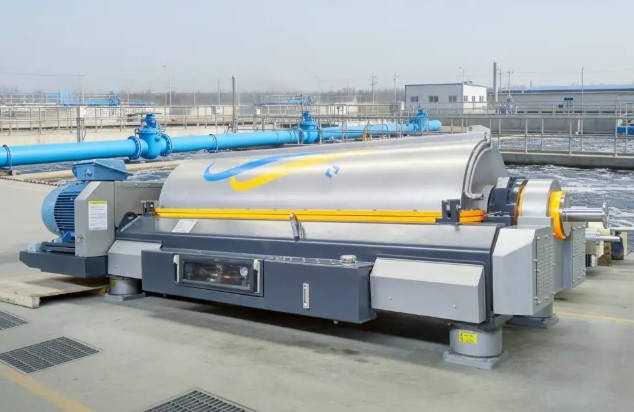
High-purity separation demands precise control over the separation process. Industries that handle sensitive materials often need equipment that minimizes cross-contamination, maintains consistent output quality, and achieves reliable separation under demanding operating conditions.
A qualified Centrifuge Machine Manufacturer can help address these requirements by evaluating the process, selecting suitable equipment, and recommending configurations that support the desired purity level. Proper equipment selection also helps manufacturers maintain stable production while reducing unnecessary processing losses.
Why High-Purity Separation Requires Careful Equipment Selection
Standard separation equipment may not suit processes where even small amounts of unwanted material can affect the final product. High-purity applications require closer attention to machine design, material compatibility, cleaning, and operating parameters.
Engineers need to understand the properties of the feed and the required quality of the separated fractions before choosing a centrifuge. This prevents equipment limitations from affecting the final process results.
Understanding the Separation Objective
The first step involves defining what high-purity separation means for the specific application. Different industries may have different requirements for the separated liquid, recovered solids, or both.
Manufacturers typically review factors such as:
- Required purity level
- Feed composition
- Solid concentration
- Particle size distribution
- Density differences
- Flow rate
- Viscosity
- Operating temperature
- Desired recovery rate
This information helps engineers determine which centrifuge configuration and operating conditions can support the process.
Selecting the Appropriate Centrifuge Design
Centrifuge design has a direct influence on separation performance. Different machine configurations suit different feed materials and separation objectives.
Engineers consider the characteristics of the incoming material and the desired output when selecting equipment. The machine must provide enough centrifugal force and appropriate residence conditions to separate the target components effectively.
Choosing the right design from the beginning can reduce the need for excessive downstream processing.
Controlling Cross-Contamination
High-purity production requires careful management of contamination risks. Material from previous processing cycles or unwanted fractions should not compromise the desired output.
Equipment design can support cleaner separation by providing controlled material flow and suitable discharge arrangements. Proper cleaning procedures and maintenance practices also help prevent unwanted material from accumulating inside the system.
Manufacturers can recommend configurations that align with the plant’s cleaning and contamination-control requirements.
Choosing Suitable Construction Materials
Material compatibility matters when processing sensitive or chemically aggressive substances. The wrong construction material may react with the feed, deteriorate over time, or introduce unwanted particles into the process.
A manufacturer can evaluate the chemical and physical characteristics of the feed before recommending suitable materials for critical machine components.
Shenzhou Machinery considers application conditions when developing centrifuge solutions, allowing equipment specifications to align more closely with individual industrial processes.
Managing Fine Particles
Fine particles can create separation challenges because their small size may make them more difficult to separate from a liquid phase.
Engineers can assess particle characteristics and process conditions when determining the appropriate machine configuration. Operating parameters may also require careful adjustment to achieve the desired separation efficiency.
A well-matched centrifuge can improve recovery while helping maintain the required quality of the separated stream.
Maintaining Consistent Operating Conditions
High-purity separation requires consistency. Significant changes in feed rate, temperature, concentration, or machine settings can affect separation performance.
Manufacturers can help users establish suitable operating parameters based on the application. Consistent control of these conditions helps maintain stable results throughout production.
Automation may provide additional control by monitoring important operating variables and supporting repeatable machine operation.
Supporting Process Optimization
Equipment selection represents only one part of achieving high-purity separation. The centrifuge must also work effectively with upstream and downstream process stages.
A manufacturer can review the complete separation process to identify potential improvements. Feed conditioning, flow control, solids discharge, and downstream collection may all influence final purity.
This broader approach can help prevent problems caused by treating the centrifuge as an isolated piece of equipment.
Using Testing to Confirm Performance
Testing can help verify whether a proposed centrifuge meets the application’s separation requirements. This becomes particularly useful when feed characteristics vary or purity specifications remain demanding.
Representative process material can provide useful information about expected separation behavior. Test results may help engineers assess separation efficiency, recovery, throughput, and output quality.
Testing also gives customers a clearer basis for selecting equipment before committing to a full-scale installation.
Designing for Easier Cleaning and Maintenance
Cleaning requirements can become especially important in high-purity processes. Residual material inside the centrifuge may affect subsequent production runs or compromise product quality.
Equipment should therefore allow practical access to components that require inspection and cleaning. Maintenance procedures should also support consistent machine performance without creating unnecessary production delays.
Routine inspection helps identify wear or buildup before these issues affect separation quality.
Considering Automation and Monitoring
Automation can help maintain tighter control over the separation process. Depending on the application, manufacturers may integrate monitoring and control features that help operators track machine performance.
Relevant parameters may include operating speed, feed conditions, vibration, temperature, and other process variables.
Better monitoring allows operators to identify deviations earlier and make appropriate adjustments before they affect product quality.
Evaluating Recovery Alongside Purity
High purity should not come at the expense of excessive material loss. An effective separation system needs to balance purity with recovery.
For example, aggressive separation conditions may improve the quality of one fraction while reducing the amount recovered. Engineers therefore need to consider both objectives when selecting and configuring the centrifuge.
Shenzhou Machinery can help industrial users evaluate equipment requirements based on the specific balance between separation quality, recovery, throughput, and operating conditions.
Long-Term Support Matters
High-purity processes often require stable equipment performance over extended operating periods. Technical assistance, replacement components, maintenance guidance, and troubleshooting support can therefore contribute to reliable operation.
Before purchasing equipment, buyers should understand the manufacturer’s after-sales capabilities. Accessible technical support can help address operating issues and maintain consistent separation performance over time.
Questions to Ask Before Choosing a Manufacturer
Companies evaluating centrifuge suppliers should discuss several technical points before making a final decision:
- Can the equipment meet the required purity and recovery targets?
- What materials suit the process chemistry?
- How does the design address contamination risks?
- Can the equipment handle the required feed capacity?
- What cleaning and maintenance procedures does the machine require?
- Can operating parameters integrate with the existing control system?
- Does the manufacturer offer testing and technical support?
Clear answers to these questions make it easier to compare potential suppliers on practical performance rather than price alone.
Final Thoughts
High-purity separation requires careful coordination between process conditions, centrifuge design, materials, operating parameters, and maintenance practices. A manufacturer with strong engineering knowledge can help identify the equipment configuration that supports these requirements.
Shenzhou Machinery offers centrifuge solutions for industrial separation applications, with equipment selection based on process needs. By sharing accurate feed data and purity targets with the manufacturer, companies can make more informed decisions and develop a separation system that supports consistent product quality.


