


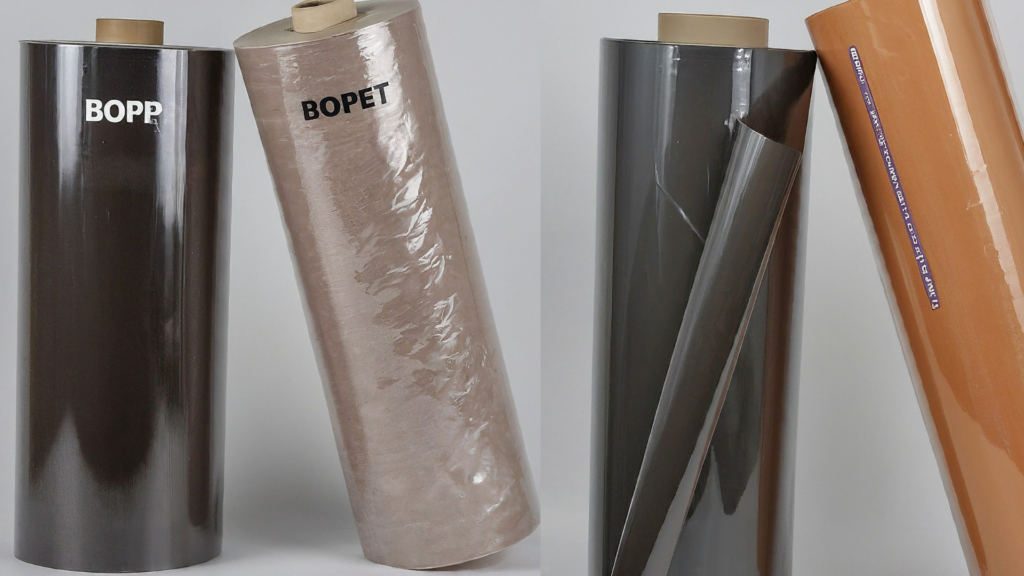
BOPP (Biaxially Oriented Polypropylene) film is widely used in modern packaging because of its excellent clarity, mechanical strength, and versatility. One of its most valuable functions is its ability to provide effective moisture and barrier protection for packaged goods, especially in food, pharmaceutical, and consumer product industries. As packaging requirements become more demanding, manufacturers are continuously improving film performance to extend product shelf life and maintain quality.
Packaging performance is not achieved by chance. It is the result of highly controlled production processes, advanced material engineering, and strict quality standards. Many packaging buyers rely on experienced suppliers, and in this context, choosing reliable BOPP film manufacturers plays a critical role in ensuring consistent barrier performance and long-term packaging reliability. Their expertise in material formulation and processing directly impacts how well the film protects products from moisture, oxygen, and external contaminants.
Importance of Moisture and Barrier Protection
Moisture and barrier protection are essential in flexible packaging because many products are highly sensitive to environmental conditions. Exposure to humidity or oxygen can lead to spoilage, texture changes, loss of flavor, or reduced shelf life.
In food packaging, for example, snacks can become stale or lose crispness if moisture enters the package. In pharmaceutical packaging, even slight environmental exposure can affect product stability. Therefore, barrier performance is not just a technical feature but a critical requirement for product safety and quality assurance.
BOPP film is engineered to reduce permeability and protect products from external elements. However, achieving high-performance barrier properties requires advanced production techniques and careful material selection at every stage.
Material Selection and Resin Quality
The foundation of strong barrier protection begins with raw material quality. High-purity polypropylene resin is essential for producing consistent and defect-free film structures.
Manufacturers focus on:
- Selecting high-grade polymer resins with low impurity levels
- Ensuring uniform molecular weight distribution
- Removing contaminants that could affect film integrity
Cleaner raw materials result in films with fewer micro-voids, which reduces the chances of moisture or gas penetration. Even small variations in resin quality can significantly impact barrier efficiency, especially in high-speed packaging applications.
Multi-layer Co-extrusion and Additives
Modern barrier performance is often enhanced through multi-layer film structures. Co-extrusion technology allows different layers of material to be combined into a single film, each serving a specific function.
This approach enables manufacturers to improve performance without compromising flexibility or clarity. Typical layer functions include:
- Outer layers for mechanical strength and printability
- Core layers for structural stability
- Functional layers for barrier enhancement
In some cases, specialized additives are introduced to improve resistance against moisture and oxygen transmission. These additives are carefully engineered to maintain transparency while enhancing protective properties.
By combining multiple layers and functional materials, manufacturers can significantly improve packaging durability and shelf-life performance.
Surface Treatments and Coatings
Surface engineering plays a crucial role in enhancing barrier properties. BOPP films often undergo treatments that improve both functionality and compatibility with other packaging materials.
Common methods include:
- Corona treatment to improve surface energy and adhesion
- Plasma treatment for enhanced coating performance
- Application of barrier coatings to reduce permeability
Barrier coatings can significantly reduce moisture transmission rates while maintaining film flexibility. These coatings are particularly useful in food packaging applications where extended freshness is required.
Surface treatment also improves printability, ensuring that packaging maintains both functional and visual quality.
Quality Testing and Industry Standards
To ensure reliable barrier performance, manufacturers conduct extensive testing throughout production. These tests help verify that the film meets industry requirements and performs consistently under real-world conditions.
Key evaluation methods include:
- Water vapor transmission rate (WVTR) testing
- Oxygen transmission rate (OTR) measurement
- Tensile strength and elongation analysis
- Environmental stress testing under humidity and temperature variations
Compliance with international packaging standards ensures that films can be safely used across global markets. Regular testing also helps manufacturers identify production inconsistencies early and maintain product reliability.
Conclusion
Moisture and barrier protection are critical functions of modern packaging, especially for industries where product preservation is essential. Through advanced material selection, multi-layer co-extrusion, surface treatment technologies, and rigorous quality testing, manufacturers continue to enhance the performance of BOPP films.
As packaging demands evolve, continuous innovation in production technology ensures that BOPP films remain a dependable solution for protecting products against environmental factors. The expertise of manufacturers in optimizing these processes directly determines the effectiveness and reliability of final packaging solutions.


