


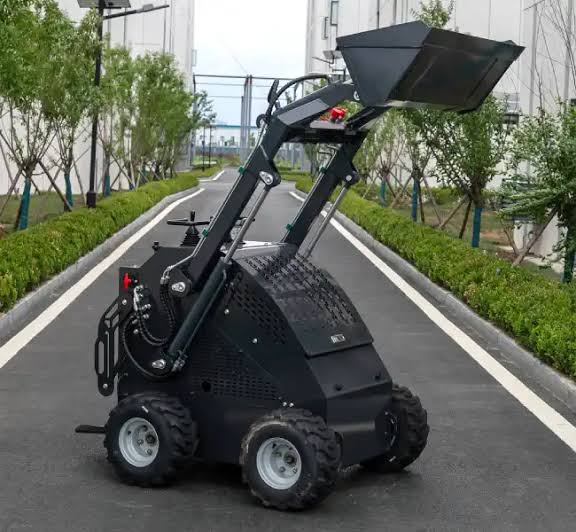
How an Electric Skid Steer Loader Improves Efficiency on Construction Sites
Construction sites require equipment that can handle demanding tasks while keeping projects on schedule. From moving materials to clearing debris and preparing surfaces, compact machinery plays an important role in maintaining productivity. Electric-powered equipment is becoming an alternative for contractors looking to improve operational efficiency and reduce on-site exhaust emissions.
An Electric Skid Steer Loader combines compact dimensions, battery-powered operation, and attachment versatility to support a wide range of construction activities. When selected for the right application, it can help contractors streamline material handling, reduce certain maintenance tasks, and create a quieter working environment.
What Makes Electric Skid Steer Loaders Useful on Construction Sites?
Electric skid steer loaders are compact machines powered by rechargeable batteries and electric motors. Like conventional skid steer loaders, they can maneuver in restricted spaces and perform different jobs using compatible attachments.
Their usefulness comes from combining several functions in one machine. Rather than relying on separate equipment for every small task, construction teams can use a properly equipped skid steer loader for material transport, cleanup, surface preparation, and other site activities.
Electric models also produce no exhaust emissions at the point of use, making them particularly useful for selected indoor construction projects and locations where local emissions restrictions apply.
1. Improving Productivity Through Versatile Attachments
One of the main ways an electric skid steer loader improves construction efficiency is by supporting multiple tasks with a single machine. This reduces the need to move different pieces of equipment around the site.
Depending on the machine’s specifications, compatible attachments may include:
- Buckets: For moving soil, sand, gravel, and construction debris.
- Pallet forks: For transporting pallets of building materials.
- Grapples: For handling bulky debris, branches, and irregular materials.
- Augers: For drilling holes where the machine’s hydraulic system supports the attachment.
- Sweepers: For cleaning paved surfaces and designated work areas.
- Trenchers: For selected trenching tasks when the attachment is approved for the machine.
Using interchangeable attachments allows contractors to adapt the equipment to changing project requirements. However, hydraulic flow, attachment weight, rated capacity, and manufacturer compatibility must be checked before use.
2. Enhancing Maneuverability in Confined Areas
Construction sites often contain narrow access routes, temporary barriers, scaffolding, and partially completed structures. Large machinery may struggle to work efficiently in these conditions.
Electric skid steer loaders are available in compact configurations that can maneuver through restricted spaces. Their small footprint can make them useful for indoor renovations, residential construction, and projects with limited equipment access.
Better maneuverability can reduce unnecessary repositioning and help operators move materials closer to where they are needed. Contractors should still measure doorways, passage widths, turning areas, and overhead clearances before choosing a machine.
3. Reducing Downtime From Routine Maintenance
Unexpected equipment downtime can delay construction activities and affect the productivity of an entire crew. Electric skid steer loaders may help reduce some maintenance-related interruptions because they do not use conventional diesel engines.
They eliminate routine diesel-engine tasks such as engine oil changes and diesel fuel filter replacements. Depending on the model, they may also have fewer engine-related components requiring regular servicing.
However, electric machines still need scheduled maintenance. Hydraulic systems, tires or tracks, lift arms, electrical connections, batteries, and safety equipment must be inspected according to the manufacturer’s guidelines.
To reduce downtime, contractors should establish preventive maintenance schedules, train operators to identify warning signs, and arrange access to replacement parts and qualified technicians.
4. Supporting Indoor Construction Work
Indoor construction projects present challenges related to ventilation, noise, and limited working space. Electric skid steer loaders can help address some of these concerns because they do not produce exhaust emissions during normal electric operation.
They may be useful in warehouses, industrial facilities, commercial building renovations, and other enclosed or partially enclosed work areas.
Reduced exhaust exposure can simplify certain aspects of indoor equipment planning, although it does not eliminate the need for ventilation or other workplace safety controls. Dust, fumes from other equipment, and airborne particles may still require appropriate management.
Before using an electric loader indoors, contractors should also confirm floor load limits, access dimensions, charging arrangements, and the suitability of the machine for the surface.
5. Creating a Quieter Construction Environment
Noise can interfere with communication, disturb nearby residents, and limit working hours in certain locations. Electric skid steer loaders generally operate more quietly than comparable diesel machines because they do not have a diesel engine running during operation.
Lower equipment noise can be beneficial for residential developments, hospitals, schools, commercial properties, and projects with noise restrictions.
A quieter machine may also make it easier for workers to communicate, although reversing alarms, hydraulic functions, attachments, and contact with construction materials still produce sound.
Contractors should evaluate the machine’s actual noise specifications and follow local noise regulations rather than assuming that electric equipment is silent.
6. Improving Energy Efficiency and Operating Costs
Energy expenses are an important part of construction equipment ownership. Electric skid steer loaders use electricity rather than diesel fuel, creating an opportunity to reduce operating expenses when electricity prices are favorable.
The actual savings depend on several factors, including:
- Local electricity and diesel prices.
- Battery capacity and charging efficiency.
- Average workload and operating hours.
- Machine utilization and idle time.
- Charging infrastructure and installation costs.
For example, a contractor operating equipment frequently at a site with affordable electricity may benefit more than a business using a machine occasionally in a remote location.
A reliable cost comparison should consider energy consumption per working hour, maintenance expenses, purchase price, financing, and charging infrastructure. This provides a more realistic estimate of the total cost of ownership than comparing fuel prices alone.
7. Reducing On-Site Exhaust Emissions
Construction activities can contribute to local air pollution, particularly when diesel equipment operates in confined or densely populated environments.
Electric skid steer loaders produce no exhaust emissions at the point of use. This can help improve local air quality around the machine and support projects with specific emissions requirements.
The broader environmental impact depends on how electricity is generated, battery production, and end-of-life battery management. Nevertheless, eliminating direct exhaust emissions can be an important advantage for indoor work and emission-sensitive sites.
Contractors should review project specifications and applicable regulations to determine whether electric equipment offers a practical compliance benefit.
8. Maintaining Productivity With Proper Battery Planning
Battery runtime is a key factor when determining whether an electric skid steer loader can support a construction schedule. If charging is not planned properly, the machine may become unavailable during important work periods.
Actual runtime depends on battery capacity, load intensity, travel distance, temperature, and the frequency of hydraulic operations.
Construction managers can improve equipment availability by taking several practical steps:
- Estimate the machine’s expected daily workload before selecting a battery configuration.
- Request runtime figures based on similar operating conditions.
- Schedule charging during breaks or outside working hours where practical.
- Confirm that the site has a compatible electrical supply.
- Establish a backup plan for demanding shifts or unexpected delays.
For projects requiring continuous operation, contractors may need additional charging capacity, a second machine, or a different equipment configuration.
9. Improving Material Flow Across the Jobsite
Material handling is a major source of lost time on construction projects. Materials may need to be moved repeatedly between storage areas, delivery points, and active work zones.
A skid steer loader equipped with the correct attachment can transport suitable materials over short distances and help keep work areas organized. Its maneuverability can be especially useful when larger equipment cannot access narrow routes.
Efficient material movement can reduce manual handling, unnecessary equipment repositioning, and interruptions to other trades. However, operators must follow load limits, use approved lifting attachments, and keep travel paths clear.
Project managers should plan material storage and delivery locations so that the loader can work efficiently without creating congestion or exposing workers to avoidable hazards.
10. Improving Equipment Planning for Multi-Stage Projects
Construction requirements change as projects progress. Early stages may involve site preparation and debris removal, while later stages may focus on material distribution, cleanup, and landscaping.
A versatile electric skid steer loader can support several stages when its capacity and attachment options match the work. This can reduce the need to arrange separate equipment for every activity.
Before assigning the machine to a project, managers should identify the tasks it will perform, determine attachment requirements, estimate daily operating hours, and coordinate charging schedules with other site activities.
This planning helps ensure that the equipment contributes to productivity rather than becoming a bottleneck.
Best Practices for Maximizing Efficiency
Purchasing suitable equipment is only one part of improving construction efficiency. Operating practices and site planning also influence productivity.
Train Operators Properly
Operators should understand the machine’s controls, rated capacity, warning indicators, and attachment procedures. Proper training helps reduce operating errors, equipment damage, and avoidable safety incidents.
Conduct Pre-Operation Inspections
Daily inspections can identify damaged hoses, worn tires, loose attachments, and other issues before they cause interruptions. Battery and charging systems should also be checked according to the manufacturer’s instructions.
Match the Machine to the Job
Select equipment based on lifting capacity, hydraulic performance, working dimensions, and terrain. A machine that is too small may struggle with the workload, while an unnecessarily large model may be difficult to maneuver.
Coordinate Charging and Work Schedules
Charging arrangements should fit the construction schedule. Establishing charging periods in advance can help reduce unexpected interruptions and maintain equipment availability.
Monitor Productivity
Track operating hours, completed tasks, energy consumption, maintenance expenses, and downtime. These measurements help managers determine whether the machine is delivering the expected operational benefits.
Frequently Asked Questions
Can an electric skid steer loader improve construction productivity?
Yes, when its capabilities match the job. It can support multiple tasks, maneuver in confined areas, and reduce some maintenance requirements. Actual productivity depends on operator skill, battery runtime, machine specifications, and site conditions.
Are electric skid steer loaders suitable for large construction projects?
They can be useful on large projects for material handling, cleanup, and other suitable tasks. However, the machine must meet the project’s load, runtime, terrain, and attachment requirements. Large projects may still require diesel-powered or larger specialized equipment.
Do electric skid steer loaders reduce operating costs?
They can reduce fuel and certain maintenance expenses, depending on local electricity prices, utilization, and servicing requirements. Contractors should compare total ownership costs, including the purchase price, charging infrastructure, and potential battery replacement.
How can contractors prevent battery-related downtime?
Contractors can estimate daily energy requirements, choose a suitable battery configuration, arrange charging access, and schedule charging during planned breaks. They should also follow manufacturer recommendations for battery care and charging safety.
What safety precautions are necessary on construction sites?
Operators should receive proper training, use required protective equipment, follow load limits, secure attachments, and keep pedestrians away from operating areas. Battery charging must take place using compatible equipment in an appropriate location, following the manufacturer’s safety instructions.
Conclusion
An electric skid steer loader can improve construction site efficiency by combining versatile attachments, compact maneuverability, reduced on-site exhaust emissions, and potentially lower routine maintenance requirements. These advantages can be especially valuable for indoor construction, material handling, and projects where noise and local air quality are important considerations.
The best results come from matching the machine to the workload and planning for battery runtime, charging access, operator training, and preventive maintenance. By evaluating these factors before purchasing or deploying equipment, construction businesses can make informed decisions that support productivity, cost management, and safer site operations.


