


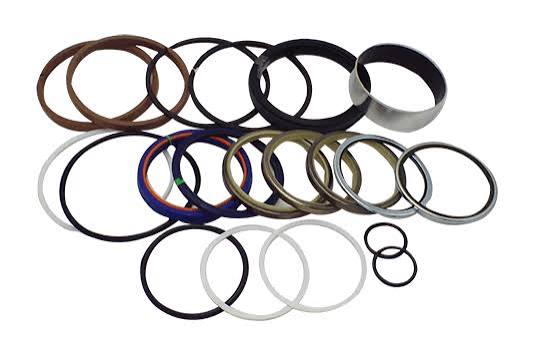
Hydraulic seals are essential components in industrial machinery, construction equipment, agricultural vehicles, and many other hydraulic systems. Businesses that purchase these products often consider two important factors before placing an order: manufacturing costs and delivery lead times. While standard seals may be relatively straightforward to produce, customized components and specialized material requirements can involve additional engineering, processing, and testing.
Understanding these cost and scheduling factors helps buyers plan procurement more effectively. Working with an experienced Hydraulic Seals Manufacturer can also help businesses understand which specifications influence pricing, how production schedules are determined, and what information is needed to avoid unnecessary delays.
1. Material Selection and Raw Material Costs
Material selection is one of the primary factors influencing hydraulic seal manufacturing costs. Different materials have different prices, processing requirements, and performance characteristics.
Common materials include nitrile rubber (NBR), polyurethane (PU), polytetrafluoroethylene (PTFE), fluorocarbon elastomers (FKM), and EPDM. Each material is suitable for particular operating environments.
For example, NBR is commonly used in applications involving compatible mineral-oil-based hydraulic fluids. Polyurethane is valued for its abrasion resistance and mechanical strength, while PTFE offers low friction and broad chemical resistance.
Material costs can vary according to:
- Raw material availability.
- Compound formulation.
- Material grade and quality.
- Required hardness.
- Specialized performance properties.
- Supplier pricing and market conditions.
Some applications require materials with greater resistance to heat, chemicals, or mechanical wear. These specialized requirements may increase the cost of raw materials.
Material availability can also affect lead times. If a particular compound is not in stock, the manufacturer may need to arrange additional procurement before production begins.
2. Seal Design Complexity and Customization
<AsyncImage query=”custom hydraulic rubber seals different profiles precision industrial seal components” aspectRatio=”16:9″ width=”100%”/>
The design of a hydraulic seal directly affects the time and resources required for manufacturing.
Standard seals with established dimensions and profiles are generally easier to produce because their designs, tooling, and production processes may already be available.
Customized seals can involve additional work, particularly when customers require unusual dimensions, specialized profiles, or specific material combinations.
Design-related cost factors include:
- Complexity of the sealing profile.
- Non-standard dimensions.
- Special lip geometries.
- Additional sealing or support features.
- Custom material requirements.
- Engineering and prototype development.
For example, a specialized piston seal may require a particular profile to fit an existing hydraulic cylinder. The manufacturer may need to review drawings, evaluate installation dimensions, and develop a suitable production method before manufacturing begins.
Customization can increase both production costs and lead times, especially when new tooling or design validation is necessary.
3. Manufacturing Process and Production Technology
Different hydraulic seal materials and designs require different manufacturing processes. The selected method influences equipment usage, labor requirements, processing time, and production efficiency.
Compression Molding
Compression molding is commonly used for rubber sealing components. It involves placing prepared material into a heated mold and applying pressure to form the required shape.
Production costs depend on mold design, material preparation, curing conditions, and cycle time.
Injection Molding
Injection molding introduces material into a mold under controlled conditions. It can support efficient production of suitable components, particularly when manufacturing quantities justify the required tooling.
CNC Machining
CNC machining is useful for manufacturing certain precision profiles, prototypes, and custom seals. Costs depend on material, machining time, tooling, and dimensional requirements.
Transfer Molding
Transfer molding uses a transfer mechanism to move material into mold cavities. It may be selected for specific product geometries and production requirements.
The most economical process depends on the seal’s design, material, order quantity, and required accuracy. A manufacturer should select the production method according to the application rather than assuming that one technique is always the least expensive.
4. Order Quantity and Production Volume
Order quantity has a significant influence on the unit cost of hydraulic seals.
Large orders can sometimes reduce the average production cost because setup, tooling, and preparation expenses are distributed across more components.
Smaller orders may have a higher unit cost because certain expenses remain relatively fixed regardless of quantity.
For example, a custom order may require mold preparation, machine setup, and initial inspection. Producing a larger batch can spread these costs across more units.
However, higher quantities do not always guarantee lower prices. Complex products, expensive materials, limited machine availability, and additional inspection requirements can still increase overall costs.
Buyers should request quotations for different order quantities when planning recurring purchases.
5. Tooling and Mold Development Expenses
<AsyncImage query=”precision industrial rubber injection molding mold tooling hydraulic seal manufacturing” aspectRatio=”16:9″ width=”100%”/>
Tooling is an important cost consideration, particularly for customized hydraulic seals.
Molds help create the required seal profile and dimensions during production. Their design and manufacturing require technical planning, suitable materials, machining, and validation.
Tooling expenses may depend on:
- Mold complexity.
- Number of cavities.
- Required dimensional accuracy.
- Tool material and construction.
- Design modifications.
- Maintenance requirements.
If a manufacturer already has suitable tooling for a standard product, initial setup costs may be lower.
Custom products may require new molds or modifications to existing tooling. This can increase initial expenses and extend the time needed before regular production starts.
Businesses planning repeat orders should discuss tooling ownership, storage, maintenance, and future production arrangements with the manufacturer.
6. Dimensional Tolerances and Quality Requirements
Hydraulic seals must fit accurately within their intended installation spaces. Products with demanding dimensional requirements may need more careful manufacturing and additional inspection.
Tighter tolerances can increase costs because they may require:
- More precise machining or molding controls.
- Additional measurement operations.
- Specialized inspection equipment.
- More frequent process adjustments.
- Greater rejection control.
Quality requirements also influence lead times. If a customer requests material testing, dimensional reports, or application-specific validation, the manufacturer must allocate additional time for these activities.
Buyers should distinguish between essential tolerances and unnecessary precision. Specifying realistic requirements helps manufacturers control costs without compromising the intended sealing performance.
7. Testing and Quality Assurance Expenses
Testing is necessary to verify that hydraulic seals meet relevant specifications. However, the type and extent of testing can influence manufacturing costs and delivery schedules.
Common testing activities include:
Hardness Testing: Checks whether the material falls within the specified hardness range.
Tensile Testing: Evaluates tensile strength and elongation under controlled conditions.
Compression Set Testing: Measures permanent deformation after a material has been compressed.
Fluid Compatibility Testing: Examines material changes after exposure to selected hydraulic fluids.
Abrasion Testing: Evaluates resistance to wear caused by friction.
Dimensional Inspection: Confirms whether finished components meet specified measurements.
Pressure and Leakage Testing: Assesses sealing performance under defined operating conditions.
Not every order requires every test. The testing plan should reflect the seal type, application, customer specifications, and relevant standards.
When requesting a quotation, buyers should clarify which tests are included in the quoted price and whether additional validation will be charged separately.
8. Production Capacity and Machine Availability
A manufacturer’s available production capacity influences how quickly an order can be completed.
Even when materials and tooling are ready, a factory may have limited machine availability because of existing customer orders or scheduled maintenance.
Lead times can be affected by:
- Current production workload.
- Number of available machines.
- Tooling availability.
- Labor availability.
- Production scheduling.
- Maintenance requirements.
- Order priority.
Manufacturers with organized production planning may be better able to coordinate multiple orders and provide realistic delivery estimates.
Buyers should ask whether the requested quantity can be produced within the expected timeframe and whether the supplier can accommodate repeat orders.
9. Raw Material Procurement and Supply Chain Conditions
Material procurement is another factor that can influence both manufacturing costs and lead times.
Hydraulic seal production depends on the availability of suitable rubber compounds, polymers, additives, and other production materials.
Supply chain disruptions, supplier delays, transportation issues, and changing raw material prices can affect manufacturing schedules.
For example, if a specialized polyurethane formulation is unavailable, production may need to wait until the material is sourced and approved.
Manufacturers may reduce procurement risks by maintaining appropriate inventory, working with multiple suppliers, and planning material requirements in advance.
Customers can also help by providing accurate forecasts for recurring orders so that manufacturers have more time to arrange necessary materials.
10. How Custom Orders Affect Lead Times
Custom hydraulic seal orders often require more preparation than standard products.
The process may involve several stages:
- Reviewing customer drawings or physical samples.
- Confirming dimensions and technical specifications.
- Evaluating material compatibility.
- Designing or modifying tooling.
- Preparing prototypes or initial samples.
- Performing dimensional and material inspections.
- Approving the sample.
- Scheduling full production.
- Completing final quality checks and packaging.
Each stage requires time, and delays in technical approval or customer communication can extend the overall schedule.
To reduce unnecessary delays, customers should provide complete specifications at the beginning of the project and respond promptly to requests for technical confirmation.
11. Packaging, Shipping, and Delivery Arrangements
Manufacturing completion does not necessarily mean that an order is ready for immediate delivery.
Finished hydraulic seals may require sorting, labeling, packaging, documentation, and transportation arrangements.
Packaging requirements can vary according to material sensitivity, product dimensions, quantity, and storage conditions.
International shipments may involve additional considerations, including customs documentation, freight scheduling, and import procedures.
Buyers should clarify whether quoted lead times cover production only or include packaging and dispatch. They should also distinguish between the manufacturer’s production completion date and the estimated arrival date at the destination.
12. Practical Ways to Control Manufacturing Costs
Businesses can manage hydraulic seal purchasing costs through better technical planning and communication.
Standardize Specifications Where Possible
Using consistent dimensions and material requirements across similar equipment can reduce the need for repeated custom development.
Provide Accurate Technical Information
Complete drawings, samples, pressure requirements, temperature ranges, and fluid details help manufacturers avoid unnecessary design changes.
Plan Orders in Advance
Early purchasing decisions provide more time for material procurement and production scheduling.
Compare Total Costs
Evaluate tooling, testing, packaging, shipping, and other charges rather than comparing unit prices alone.
Consider Suitable Order Quantities
Combining recurring requirements into planned production batches may help reduce setup costs, provided inventory levels remain manageable.
Avoid Unnecessary Specifications
Overly restrictive tolerances or testing requirements can increase costs without improving performance in every application.
The goal should be to meet the actual technical needs of the equipment while avoiding unnecessary production expenses.
13. Questions to Ask a Hydraulic Seals Manufacturer About Pricing and Lead Times
Before placing an order, buyers should discuss the factors that may influence the final quotation and delivery schedule.
Useful questions include:
- Which materials are included in the quotation?
- Are custom tooling costs charged separately?
- What is the minimum order quantity?
- How does pricing change with larger production volumes?
- Are material and product tests included?
- What is the expected production lead time?
- Does the schedule include inspection and packaging?
- How are delays caused by material shortages handled?
- Can the manufacturer support repeat orders?
- Are shipping and transportation costs included?
Clear answers help businesses compare suppliers and plan purchasing activities more accurately.
14. Building a More Reliable Long-Term Supply Relationship
For businesses that regularly purchase hydraulic seals, maintaining a stable relationship with a manufacturer can make procurement more predictable.
Once product specifications, material requirements, and approved designs have been established, repeat orders may require less technical preparation.
Long-term cooperation can also help manufacturers understand the customer’s equipment requirements and anticipate future demand.
To support an effective relationship, businesses should maintain updated drawings, communicate forecast quantities, report product performance issues, and review quality documentation when necessary.
Manufacturers should provide clear information about production schedules, specification changes, and any factors that may affect delivery.
Conclusion
Hydraulic seal manufacturing costs and lead times are influenced by several interconnected factors, including material selection, product design, tooling, manufacturing methods, order quantities, quality requirements, and supply chain conditions. Customization and specialized testing may require additional resources, while standard products with established tooling can often follow more straightforward production schedules.
For industrial buyers, understanding these factors makes it easier to prepare accurate specifications, compare quotations, and plan orders according to operational needs. Clear communication with the manufacturer is especially important when purchasing customized components or managing recurring supply requirements.
By evaluating the complete manufacturing process rather than focusing only on unit price, businesses can make better purchasing decisions and develop a more reliable supply strategy for hydraulic sealing products.


