


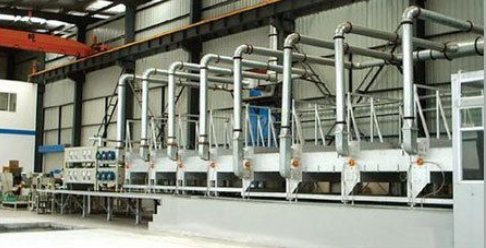
Steel coating industries play an important role in infrastructure, construction, and manufacturing sectors, but they also face increasing pressure to reduce environmental impact. Hot dip galvanizing involves chemical treatments, high-temperature processes, and zinc usage, all of which must be carefully managed to meet environmental requirements.
A properly designed hot dip galvanizing line must comply with strict environmental standards while maintaining production efficiency and coating quality. Regulations now influence nearly every stage of operation, from surface treatment to emissions control.
Growing Importance of Environmental Compliance
Environmental awareness has increased globally, leading governments and regulatory bodies to enforce stricter rules on industrial emissions, waste disposal, and chemical handling. Galvanizing plants must adapt their operations to meet these requirements.
Key concerns include:
- Air emissions from furnaces
- Wastewater from cleaning processes
- Chemical handling and storage
- Zinc waste management
Failure to comply can result in penalties, production limits, or operational shutdowns.
Air Emission Control in Galvanizing Plants
One of the main environmental challenges in galvanizing operations is air pollution generated from heating systems and chemical processes.
Sources of Emissions:
- Furnace combustion gases
- Acid fumes from pickling tanks
- Zinc vapor during coating process
Control Measures:
- Installation of filtration systems
- Use of exhaust gas treatment units
- Proper ventilation design
- Regular monitoring of emission levels
These systems help reduce harmful gases and improve workplace safety.
Wastewater Treatment Requirements
Cleaning and pickling stages produce wastewater containing acids, metals, and other chemical residues. Proper treatment is necessary before discharge.
Common treatment methods include:
- Neutralization of acidic solutions
- Filtration of solid particles
- Chemical precipitation of heavy metals
- Water recycling systems
Many facilities now reuse treated water to reduce environmental impact and operational costs.
Chemical Handling and Storage Regulations
Galvanizing plants use various chemicals such as acids, flux solutions, and cleaning agents. These substances must be handled with strict safety and environmental controls.
Regulatory requirements often include:
- Secure storage systems for chemicals
- Proper labeling and documentation
- Spill prevention measures
- Controlled disposal procedures
These practices reduce the risk of environmental contamination.
Zinc Waste and Byproduct Management
Zinc is a valuable material, but improper handling of waste zinc can lead to environmental issues. Dross and residues must be managed carefully.
Best practices include:
- Recycling of zinc waste materials
- Controlled collection of dross
- Safe disposal of non-reusable residues
- Recovery systems for metal reuse
Efficient zinc management also improves resource utilization.
Energy Consumption Regulations
Energy efficiency has become an important focus in industrial regulation. Galvanizing processes require significant heat energy, especially in furnaces and zinc baths.
Measures to improve energy efficiency include:
- Heat recovery systems
- Improved furnace insulation
- Optimized combustion control
- Reduced idle operation time
Lower energy consumption helps reduce both environmental impact and operating costs.
Workplace Environmental Standards
Environmental regulations also cover working conditions inside production facilities. Proper ventilation, air quality, and temperature control are essential for worker safety.
Important requirements include:
- Adequate air circulation systems
- Monitoring of airborne particles
- Safe exposure limits for chemicals
- Emergency response systems
Maintaining a safe environment supports stable production operations.
Impact on Production Design and Operation
Environmental rules influence how galvanizing plants are designed and operated. Equipment layout, process flow, and waste management systems must all be planned with compliance in mind.
Key design considerations:
- Closed-loop chemical systems
- Efficient drainage and filtration networks
- Low-emission furnace technology
- Automated monitoring systems
These improvements help align production with environmental expectations.
Role of Process Control Systems
Control systems play an important role in maintaining compliance. They continuously monitor temperature, emissions, chemical levels, and energy usage.
Benefits include:
- Early detection of environmental risks
- Stable production conditions
- Reduced waste generation
- Improved regulatory reporting
Automation supports consistent compliance with environmental standards.
Conclusion
Environmental regulations have become a major factor shaping the operation of steel coating facilities. From emissions control to wastewater treatment and energy efficiency, every stage of production must be carefully managed.
A well-engineered hot dip galvanizing line helps manufacturers meet these requirements while maintaining stable production performance and high-quality steel coating results.


