


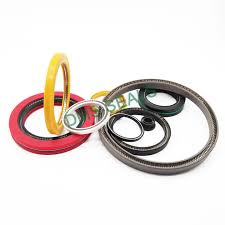
Sealing components are essential parts of modern industrial machinery. They help prevent fluid leakage, maintain pressure, protect internal components, and keep equipment operating efficiently. From hydraulic cylinders and rotating shafts to pneumatic systems and heavy-duty manufacturing equipment, different sealing designs serve specific mechanical purposes.
Understanding the available sealing options is important when selecting components for industrial applications. DMS Seals are relevant to the wider range of industrial sealing solutions designed to meet different operating requirements. Each seal type has particular characteristics, material properties, and performance capabilities that determine where it can be used effectively.
What Are Industrial Seals?
Industrial seals are mechanical components used to prevent liquids, gases, lubricants, and contaminants from passing through gaps between connected surfaces. They are installed in stationary or moving assemblies, depending on the equipment’s design and operating conditions.
Their primary purpose is to maintain separation between different areas of a mechanical system. This helps control fluid movement, preserve internal pressure, and protect sensitive components from environmental contamination.
Seals are commonly manufactured from rubber, polyurethane, silicone, PTFE, and other specialized materials. The choice depends on pressure, temperature, chemical exposure, friction, and the type of movement involved.
Different Types of DMS Seals Used in Industrial Applications
Industrial machinery requires different sealing designs because operating conditions vary considerably between applications. The following are some commonly used types of industrial seals.
1. Hydraulic Seals
Hydraulic seals are designed to prevent hydraulic fluid from escaping from pressurized systems. They are commonly used in hydraulic cylinders, pumps, valves, and heavy machinery.
These seals must withstand high pressure, repeated movement, and contact with hydraulic oils. Their performance directly affects the efficiency and reliability of hydraulic equipment.
Industrial applications:
- Construction machinery and excavators
- Agricultural tractors and harvesters
- Hydraulic presses
- Industrial lifting equipment
- Material-handling machinery
2. Pneumatic Seals
Pneumatic seals are used in systems that operate with compressed air or gas. They help maintain air pressure and prevent leakage around moving or stationary components.
Compared with many hydraulic applications, pneumatic systems often require low-friction sealing solutions that support rapid movement and repeated operating cycles.
Industrial applications:
- Pneumatic cylinders
- Automated production lines
- Air compressors
- Packaging machinery
- Industrial valves and actuators
3. Rotary Shaft Seals
Rotary shaft seals are designed for applications involving rotating components. They help retain lubricants inside mechanical housings while preventing dust, dirt, and moisture from entering.
Their design generally includes a sealing lip that maintains contact with the rotating shaft.
Industrial applications:
- Electric motors
- Gearboxes
- Industrial pumps
- Automotive transmissions
- Rotating machinery
4. O-Ring Seals
O-rings are circular sealing components commonly manufactured from elastomeric materials. When compressed between two surfaces, they create a barrier that prevents liquids or gases from escaping.
Their simple construction and versatility make them suitable for numerous static and certain dynamic applications.
Industrial applications:
- Hydraulic connections
- Pneumatic fittings
- Industrial valves
- Pump assemblies
- Automotive components
5. Mechanical Seals
Mechanical seals are used primarily in rotating equipment where controlling liquid leakage is essential. They generally consist of two closely fitted sealing faces, one stationary and one rotating.
These surfaces work together to minimize fluid escape while allowing the equipment to operate.
Industrial applications:
- Centrifugal pumps
- Chemical processing equipment
- Industrial mixers
- Water treatment systems
- Compressors and rotating assemblies
6. Lip Seals
Lip seals use flexible sealing edges to maintain contact with a moving surface. They are commonly used around rotating shafts to retain lubricants and prevent external contaminants from entering.
The design and number of sealing lips depend on the equipment’s operating requirements.
Industrial applications:
- Gear drives
- Electric motors
- Automotive systems
- Agricultural machinery
- Industrial transmissions
7. Wiper Seals
Wiper seals, also known as scraper seals, are designed to remove dust, dirt, and other contaminants from moving surfaces. They are frequently installed at the openings of hydraulic cylinders.
Their primary function is to protect internal sealing components and reduce contamination-related damage.
Industrial applications:
- Excavators and loaders
- Hydraulic cylinders
- Mining machinery
- Construction equipment
- Agricultural machines
8. Guide Rings and Wear Rings
Guide rings and wear rings support moving components by maintaining proper alignment between pistons, rods, and cylinder walls.
Although they are not primarily leakage-prevention components, they help reduce metal-to-metal contact and prevent uneven loading that could damage seals.
Industrial applications:
- Hydraulic cylinders
- Industrial presses
- Heavy construction equipment
- Injection molding machinery
- Mobile hydraulic systems
9. V-Rings
V-rings are flexible axial seals that fit around rotating shafts. They provide protection against dust, dirt, water, and other external contaminants.
Their flexible design allows them to accommodate certain shaft movements and installation variations.
Industrial applications:
- Electric motors
- Agricultural machinery
- Industrial gearboxes
- Bearings
- Rotating mechanical assemblies
Industrial Applications of Sealing Solutions Across Different Industries
Different industries use sealing components according to their equipment designs, operating environments, and production requirements.
Manufacturing and Automation
Manufacturing facilities depend on hydraulic and pneumatic systems to operate production machinery, robotic equipment, and automated assembly lines.
Seals help maintain pressure, prevent lubricant loss, and protect moving components. Reliable sealing is particularly important in continuous production environments where equipment downtime can affect productivity.
Automotive Industry
Automotive equipment uses a wide range of sealing components in engines, transmissions, braking systems, steering mechanisms, and suspension assemblies.
Oil seals, O-rings, lip seals, and specialized hydraulic seals help contain fluids and protect mechanical connections from contamination.
Construction and Mining
Construction and mining equipment frequently operates under heavy loads and challenging environmental conditions. Excavators, loaders, drilling machines, and bulldozers depend on hydraulic systems to perform demanding tasks.
Hydraulic seals, rod seals, piston seals, and wiper seals help maintain system pressure and protect equipment from dust and abrasive particles.
Agriculture
Agricultural machinery operates outdoors and is regularly exposed to soil, water, dust, and temperature changes.
Sealing components help protect hydraulic cylinders, transmissions, pumps, and other mechanical assemblies. Their durability is important for maintaining equipment performance during demanding seasonal operations.
Oil and Gas Industry
Oil and gas operations use pumps, compressors, valves, and processing equipment that require reliable sealing performance.
Mechanical seals and specialized elastomeric sealing products help control fluid and gas leakage. Material compatibility and resistance to pressure and temperature are particularly important in these environments.
Food and Pharmaceutical Processing
Food and pharmaceutical manufacturing requires equipment that meets specific hygiene and material safety requirements.
Depending on the application, sealing materials may need to comply with relevant food-contact or pharmaceutical standards. They must also tolerate cleaning chemicals, temperature variations, and regular sanitation procedures.
Water Treatment and Chemical Processing
Water treatment facilities use pumps, filtration equipment, valves, and other fluid-handling machinery.
Mechanical seals, O-rings, and specialized chemical-resistant seals help control leakage and maintain equipment reliability. The selected material must be compatible with the chemicals and fluids being handled.
Common Materials Used in Industrial Seals
The material used in a seal significantly influences its durability, flexibility, and resistance to operating conditions.
Nitrile Rubber (NBR)
Nitrile rubber is commonly used in applications involving petroleum-based oils, fuels, and hydraulic fluids. It offers good resistance to oil and is widely used for O-rings and other elastomeric seals.
Polyurethane (PU)
Polyurethane provides good mechanical strength and abrasion resistance. It is frequently used in hydraulic sealing applications where repeated movement and friction are involved.
Fluorocarbon (FKM)
Fluorocarbon materials are suitable for many applications involving elevated temperatures, oils, and chemical exposure. Their performance depends on the specific formulation and working environment.
Silicone
Silicone offers flexibility across a broad temperature range. It is used in applications where temperature stability and elastic properties are important.
Polytetrafluoroethylene (PTFE)
PTFE is known for its low friction and broad chemical resistance. It is used in specialized sealing applications where conventional elastomers may not provide suitable performance.
How to Choose the Right Industrial Seal
Selecting an appropriate sealing component requires careful evaluation of the equipment and its working conditions.
Consider the following factors before making a decision:
- Application type: Determine whether the seal will be used in a hydraulic, pneumatic, rotary, or static system.
- Pressure requirements: Check the normal and maximum operating pressure of the equipment.
- Temperature range: Select a material that can withstand expected temperature conditions.
- Fluid compatibility: Ensure the sealing material is suitable for the oils, chemicals, gases, or liquids it will contact.
- Movement and speed: Consider whether the seal will operate with rotating, reciprocating, or stationary components.
- Dimensions: Verify the required diameter, thickness, groove design, and installation tolerances.
- Environmental exposure: Evaluate the effects of dust, moisture, chemicals, vibration, and other external conditions.
Choosing a seal based on these factors can help prevent premature failure and improve equipment reliability.
Factors That Affect the Service Life of Industrial Seals
Even suitable sealing components can experience premature wear if they are not installed or maintained correctly.
Several conditions influence their service life:
- Incorrect installation: Twisting, stretching, or damaging a seal can compromise its performance.
- Excessive pressure: Operating beyond recommended limits may cause deformation or extrusion.
- High temperatures: Excessive heat can accelerate material aging and deterioration.
- Poor lubrication: Increased friction can damage dynamic sealing surfaces.
- Contamination: Dust and metal particles may cause scratches and premature wear.
- Chemical exposure: Incompatible fluids can cause swelling, cracking, or hardening.
Regular inspections and appropriate maintenance procedures help identify these problems before they lead to equipment failure.
Maintenance Tips for Industrial Seals
Proper maintenance helps preserve sealing performance and reduce unnecessary replacement expenses.
Industrial maintenance teams should inspect sealing components for visible damage, leakage, swelling, and deformation. Worn seals should be replaced according to equipment requirements.
It is also important to keep installation surfaces clean, use compatible lubricants, and follow recommended fitting procedures. Damaged shafts, cylinder walls, and other mechanical surfaces should be repaired when necessary because replacing a seal alone may not resolve the underlying problem.
Maintaining records of inspection dates, operating conditions, and replacement history can also help businesses plan preventive maintenance more effectively.
Conclusion
Different types of DMS seals and other industrial sealing solutions serve important functions across manufacturing, automotive, construction, agriculture, oil and gas, and many additional industries. Hydraulic seals, pneumatic seals, O-rings, rotary shaft seals, mechanical seals, and wiper seals are designed to address specific mechanical requirements.
Understanding their characteristics, material properties, and industrial applications helps engineers and equipment operators select suitable components. By considering operating pressure, temperature, movement, and fluid compatibility, businesses can improve machinery reliability, minimize leakage, and reduce long-term maintenance requirements.


