


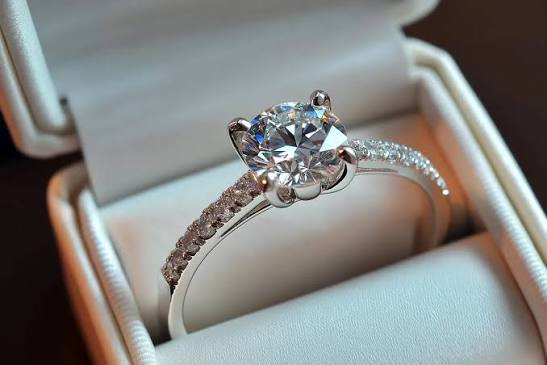
Choosing a diamond ring involves more than selecting an attractive gemstone. Buyers also need to consider design, quality, price, comfort, and long-term practicality. Two common options are custom-designed diamond rings and ready-made rings. Both offer distinct advantages, but the best choice depends on individual preferences, budget, and expectations.
A Custom Lab Grown Diamond Ring provides the opportunity to create personalized jewelry by selecting the diamond, metal, setting, and decorative details. Ready-made rings, on the other hand, are manufactured in predetermined designs and are generally available for immediate purchase. Understanding the differences between these options can help buyers make a more informed decision when purchasing engagement, wedding, or everyday diamond jewelry.
What Are Custom Lab Grown Diamond Rings?
Custom lab grown diamond rings are pieces of jewelry designed according to specific customer requirements. Instead of choosing an existing design, buyers participate in the creation process and select individual elements that determine the ring’s final appearance.
Lab grown diamonds are real diamonds produced in controlled laboratory environments. They have essentially the same chemical composition, crystal structure, hardness, and optical properties as natural diamonds.
The customization process may include selecting:
- Diamond shape, carat weight, color, clarity, and cut.
- Precious metal such as platinum, white gold, yellow gold, or rose gold.
- Ring setting and band structure.
- Accent stones and decorative details.
- Engravings and personalized design elements.
This approach is particularly useful for buyers who have a specific design in mind or want jewelry that reflects their individual style.
What Are Ready-Made Diamond Rings?
Ready-made diamond rings are manufactured according to established designs and offered as finished jewelry products. Buyers can browse available collections, compare different styles, and select a ring that matches their preferences.
These rings are commonly available in popular designs such as solitaire, halo, three-stone, and pavé settings.
Ready-made options are convenient because buyers do not need to make every design decision themselves. However, customization opportunities may be limited to available sizes, metal options, or minor adjustments.
They are suitable for people who prefer a straightforward purchasing process and want to receive their jewelry without waiting for a complete custom manufacturing process.
Key Differences Between Custom and Ready-Made Rings
Although both options can feature high-quality lab grown diamonds, they differ in several important areas.
1. Design Flexibility
Design flexibility is one of the most significant differences between custom and ready-made rings.
Custom rings allow buyers to make decisions about nearly every design element. They can select a particular diamond shape, modify the band, combine different settings, and add personalized details.
Ready-made rings follow predetermined designs. Buyers generally choose from available styles rather than creating an entirely new appearance.
Best option: Custom rings are more suitable for people who want a distinctive design, while ready-made rings work well for buyers who appreciate established jewelry styles.
2. Diamond Selection
Both options can include lab grown diamonds, but the selection process may differ.
When ordering a custom ring, buyers may have more control over the center stone’s specifications. They can compare different combinations of cut, color, clarity, and carat weight according to their budget.
With ready-made rings, the diamond specifications are usually determined before the product is offered for sale. Buyers select from the available inventory.
Best option: Custom designs generally provide greater control over individual diamond characteristics, although the level of choice depends on the manufacturer’s available inventory.
3. Pricing and Budget Control
Price is another important consideration when comparing these two options.
Ready-made rings often have established prices based on their materials, diamond specifications, and manufacturing costs. This makes it easier to compare products before purchasing.
Custom rings can involve additional design and manufacturing expenses, depending on their complexity. However, they also allow buyers to adjust individual components to stay within a planned budget.
For example, someone may choose a moderately sized center diamond with a more elaborate setting, while another buyer may prefer a larger diamond in a simple solitaire design.
Neither option is automatically cheaper. The final cost depends on the diamond, metal, craftsmanship, and overall design.
4. Production and Delivery Time
Ready-made rings are generally faster to purchase because they have already been manufactured. If the required size and design are available, buyers may be able to receive the product without additional production delays.
Custom rings usually require more time because the design must be planned, approved, manufactured, and inspected.
The production timeline may depend on:
- Complexity of the ring design.
- Availability of the selected diamond.
- Metal and material requirements.
- Manufacturing capacity.
- Number of requested design changes.
Best option: Ready-made rings are suitable when time is limited, while custom rings are worth considering when personalization is a higher priority.
5. Personalization Opportunities
Personalization can make jewelry more meaningful, particularly when purchasing an engagement or anniversary ring.
Custom designs offer opportunities to include engraved dates, initials, birthstones, unique band patterns, and other meaningful details.
Ready-made rings may offer limited engraving or resizing services, but extensive modifications are not always possible.
For couples who want a ring connected to a particular memory or personal story, customization provides more creative freedom.
6. Ring Size and Comfort
A ring should look attractive while fitting comfortably. Custom designs allow buyers to consider finger measurements, band width, setting height, and other comfort-related details during the design stage.
Ready-made rings are manufactured in predetermined sizes. Although resizing may be available, some settings and band designs can make adjustments difficult.
Custom manufacturing can provide greater flexibility when creating rings for unusual sizing requirements or specific comfort preferences.
7. Craftsmanship and Quality Control
The quality of either type of ring depends on the manufacturer’s skills, materials, production methods, and inspection procedures.
Custom rings require careful coordination between design and manufacturing. The final product should match the approved specifications, including stone placement, setting structure, metal finish, and dimensions.
Ready-made rings are generally produced through established manufacturing processes. Reputable manufacturers inspect finished products before making them available for purchase.
Regardless of the purchasing method, buyers should examine the ring’s construction and request relevant information about materials and diamond grading.
Comparison Table: Custom vs. Ready-Made Rings
| Feature | Custom Lab Grown Diamond Rings | Ready-Made Rings |
|---|---|---|
| Design | Personalized | Predetermined |
| Diamond selection | Greater flexibility | Based on available inventory |
| Metal choices | Can be customized | Depends on the product |
| Pricing | Depends on selected specifications | Usually established |
| Production time | Usually longer | Often immediately available |
| Personalization | Extensive options | Generally limited |
| Ring sizing | Can be considered during design | Based on available sizes |
| Convenience | Requires planning | Easier and faster |
| Uniqueness | Can be highly distinctive | Designs may be widely available |
Advantages of Choosing Custom Lab Grown Diamond Rings
Custom rings appeal to buyers who want greater control over their jewelry. Their main advantages include the ability to combine personal preferences with practical design requirements.
Unique Jewelry Designs
A custom ring can be developed around a specific concept rather than following a standard collection. This makes it possible to create distinctive combinations of diamond shapes, settings, and metals.
Better Alignment with Personal Preferences
Buyers can select details according to their lifestyle and aesthetic preferences. For example, someone who prefers understated jewelry can choose a simple design, while someone who enjoys decorative pieces can incorporate accent stones and intricate metalwork.
Flexible Diamond Specifications
Custom designs allow buyers to compare different diamond grading characteristics and select a combination that suits their priorities.
Understanding the 4Cs is useful:
- Cut: Influences brilliance and light performance.
- Color: Describes the presence of visible color in the diamond.
- Clarity: Evaluates internal inclusions and external blemishes.
- Carat: Measures the diamond’s weight.
This knowledge can help buyers make more informed decisions when selecting a center stone.
Advantages of Choosing Ready-Made Rings
Ready-made rings remain popular because they offer convenience and simplicity.
Immediate Availability
One of the main advantages is that the ring has already been manufactured. Buyers can select an available design without waiting for the complete customization process.
Easier Product Comparison
Ready-made collections allow buyers to compare several designs side by side. They can evaluate diamond specifications, metal types, settings, and prices before making a decision.
Established Designs
Many ready-made rings feature classic styles that have remained popular for years. Solitaire, halo, and three-stone designs are examples of established options suitable for different occasions.
Less Design Planning
Ready-made rings require fewer decisions. Buyers can focus on selecting a product that matches their preferences rather than planning every manufacturing detail.
How to Decide Which Ring Is Right for You
The choice between custom and ready-made jewelry depends on what matters most to the buyer.
Consider the following situations:
Choose a custom ring if:
- You have a particular design in mind.
- You want control over diamond specifications.
- You prefer personalized details or engravings.
- You need specific band dimensions or sizing.
- You have enough time for design and manufacturing.
Choose a ready-made ring if:
- You need a ring quickly.
- You prefer established jewelry designs.
- You want a simpler purchasing process.
- You are comfortable choosing from available inventory.
- You do not require extensive customization.
Before purchasing either option, establish a budget and compare the diamond specifications, metal quality, craftsmanship, and after-sales services.
Important Factors to Check Before Purchasing
Whether selecting a custom or ready-made ring, buyers should evaluate several quality-related factors.
Diamond Identification and Certification
Lab grown diamonds should be properly identified as laboratory-created stones. Independent organizations such as GIA and IGI provide diamond identification and grading services.
Review the grading documentation and verify the available report information before purchasing.
Metal Quality
Confirm the type and purity of the metal used in the ring. For gold jewelry, common purity options include 14K and 18K gold. Platinum jewelry should also have clear material specifications.
Setting Security
Examine the prongs, bezel, or other setting components to ensure the center diamond is securely held. Poorly constructed settings can increase the risk of stone damage or loss.
Warranty and Maintenance
Ask about resizing, repairs, cleaning, and inspection services. Understanding the available after-sales support can make long-term ring ownership easier.
Caring for Custom and Ready-Made Lab Grown Diamond Rings
Both types of rings require regular care to maintain their appearance and structural condition.
Although lab grown diamonds have a hardness of 10 on the Mohs scale, the surrounding metal can still become scratched or damaged.
Follow these basic maintenance practices:
- Clean the ring with warm water, mild soap, and a soft brush.
- Avoid harsh chemicals that may affect the metal or finish.
- Remove the ring during heavy physical activities.
- Store it separately from other jewelry.
- Schedule periodic professional inspections to check for loose stones and worn settings.
Proper maintenance can help preserve the ring’s appearance and reduce the likelihood of avoidable damage.
Conclusion
Custom lab grown diamond rings and ready-made rings both offer valuable advantages, but they serve different purchasing needs. Custom rings provide greater design flexibility, personalized details, and more control over diamond specifications. Ready-made rings offer convenience, established styles, and faster availability.
The right choice depends on individual preferences, budget, time requirements, and the importance of personalization. Buyers who want jewelry that reflects their unique style may find custom designs more suitable, while those who prioritize convenience may prefer ready-made options. By comparing diamond quality, craftsmanship, materials, and long-term care requirements, buyers can make a confident decision and choose a ring that meets their expectations.


