


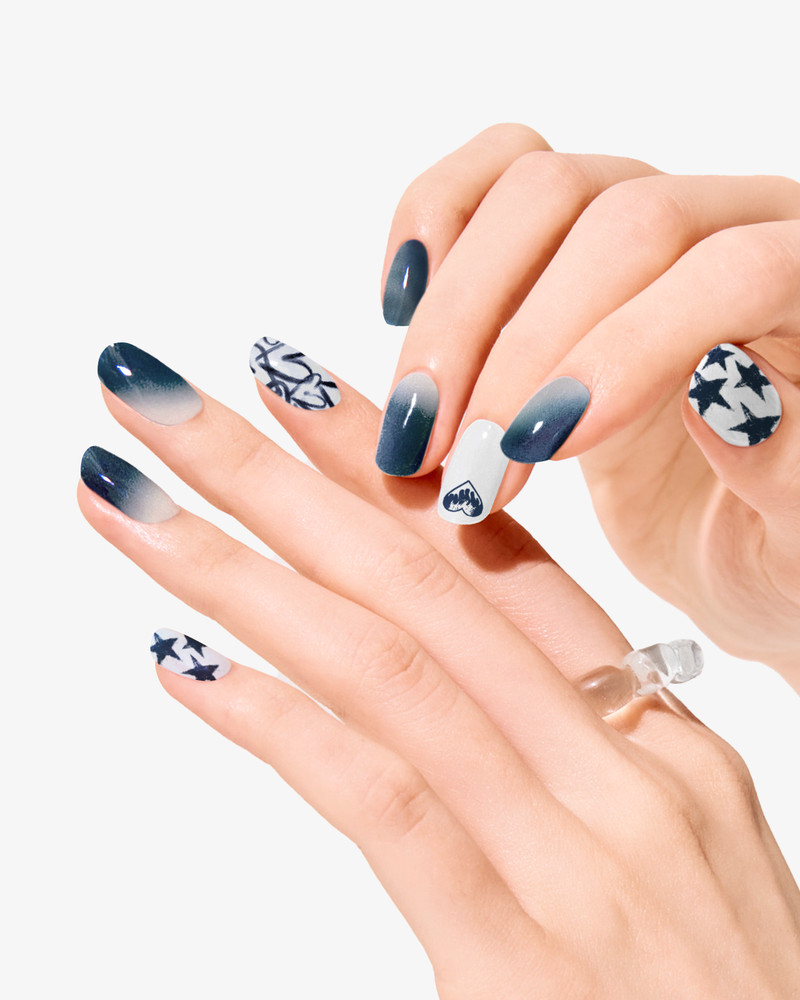
A nail polish collection can contain twenty beautiful colors and still feel incomplete. The reason is simple: great collections are not built by choosing shades one at a time. They are built around customers, seasons, brand identity, and the way colors work together.
For beauty brands, Custom Gel Polish offers an opportunity to create a collection that feels intentional rather than generic. From everyday neutrals to bold statement shades, the right combination can give a brand a recognizable visual identity and make its products easier to market.
The challenge is deciding which colors deserve a place in the collection. Too few shades can limit customer choice, while too many can create unnecessary inventory and make the range difficult to manage. The goal is balance.
Start With Your Brand Identity
Before choosing individual colors, define what your brand represents.
Think about the emotions and visual style you want customers to associate with your products. Is your brand elegant and understated? Youthful and colorful? Professional and salon-focused? Trend-driven? Premium?
Your color collection should reflect that positioning.
For example, a sophisticated beauty brand might focus on:
- Creamy nudes
- Dusty pinks
- Warm beige
- Taupe
- Mauve
- Deep burgundy
A playful fashion brand might choose:
- Bright coral
- Lavender
- Electric blue
- Lime
- Orange
- Pink
Neither approach is universally better. The right palette is the one that makes sense for your audience.
Understand Your Target Customer
Color preferences vary significantly between customer groups.
A professional nail salon may need dependable shades that work for everyday appointments, weddings, office environments, and seasonal trends.
A younger direct-to-consumer audience may be more interested in vibrant colors, unusual finishes, and shades that look distinctive in social media content.
Before building your collection, ask:
- Who will purchase the products?
- Where will they use them?
- What colors do they already wear?
- What occasions influence their purchases?
- Do they prefer classic or experimental shades?
- What price point are they comfortable with?
Customer research can prevent you from creating a collection based entirely on personal taste.
Build Around Core Colors
Every collection benefits from a group of dependable shades.
These are colors customers can reach for throughout the year rather than only during a particular trend.
A core range might include:
- Soft nude
- Classic pink
- Milky white
- Traditional red
- Deep burgundy
- Neutral brown
- Black
- Soft mauve
These shades create a foundation for the collection.
You can then add seasonal or trend-led colors without losing the brand’s core identity.
Add Seasonal Colors Carefully
Seasonal shades can create excitement and encourage repeat purchases.
Spring collections often feature softer pastels, while summer ranges may include brighter colors. Autumn can lend itself to earthy and rich shades, while winter collections may use deeper tones and metallic effects.
For example:
Spring
- Blush pink
- Lavender
- Mint
- Soft peach
- Baby blue
Summer
- Coral
- Bright pink
- Turquoise
- Sunny yellow
- Vibrant orange
Autumn
- Terracotta
- Olive
- Chocolate brown
- Rust
- Plum
Winter
- Burgundy
- Forest green
- Charcoal
- Deep navy
- Metallic silver
Seasonal collections do not need to replace your permanent range. They can complement it.
Choose a Signature Shade
A signature shade can help customers remember your brand.
Think of it as a color that feels particularly connected to your company. It could be a distinctive nude, unusual red, muted green, or another shade that competitors do not immediately associate with your brand.
The color should be attractive enough to sell but distinctive enough to stand out.
Once selected, treat the shade as an important brand asset. Maintain careful records of its specifications so future production batches can match the approved reference as closely as practical.
Create a Balanced Color Palette
A collection should offer variety without becoming visually chaotic.
One useful approach is to think about color families.
You might divide a collection into:
- Nudes
- Pinks
- Reds
- Browns
- Purples
- Blues
- Greens
- Bright statement shades
You do not need equal numbers in every category.
Instead, allocate more space to the color families your target audience is most likely to purchase.
A salon-focused brand may have a larger nude and pink selection, while a fashion-focused company may prioritize brighter and unconventional shades.
Consider Undertones
Two colors can appear similar at first glance but behave very differently because of their undertones.
For example, a nude can have warm, cool, or neutral characteristics. The same applies to pink, beige, red, brown, and other shades.
When building a collection, avoid creating several colors that look almost identical unless that is intentional.
A range of subtly different undertones can give customers more meaningful choices.
Why Physical Samples Matter
Digital color charts can be helpful for initial selection, but they should not be treated as the final reference.
Screens display color differently, and photography can alter how a shade appears.
Request physical samples and examine them under different lighting conditions before approving production.
This is particularly important for signature colors and neutral shades where small differences can be noticeable.
Think About How Colors Work Together
A collection should look good as a group, not just as individual bottles.
Place your samples next to one another and ask:
- Do the shades complement each other?
- Are there too many similar colors?
- Is there enough contrast?
- Does the palette reflect the brand?
- Can customers easily understand the collection?
This simple exercise can reveal gaps.
For example, you may have several pinks and nudes but no deep shade to provide contrast. Adding a burgundy or chocolate brown could make the overall range feel more balanced.
Consider Finish Alongside Color
Color and finish should be considered together.
A basic shade can look completely different when presented as glossy, matte, shimmer, glitter, metallic, or another effect.
Potential finishes include:
- High-gloss
- Matte
- Glitter
- Shimmer
- Metallic
- Pearl
- Magnetic
- Sheer
You do not need every finish in every color.
Instead, decide which combinations support the collection’s overall concept.
For example, a soft nude might work well as a glossy everyday shade, while a deep navy could be offered with a shimmer effect for a more dramatic appearance.
Use the 60-30-10 Approach
A useful way to structure a collection is to divide shades into three broad groups.
60% core shades: Reliable colors customers can wear throughout the year.
30% supporting shades: Colors that add variety and complement the core palette.
10% statement shades: More adventurous colors designed to attract attention.
This is not a strict formula, but it provides a useful starting point.
A collection dominated entirely by unusual colors may struggle to generate everyday sales. On the other hand, a range containing only safe neutrals may fail to create excitement.
Balance gives you both stability and personality.
Think About Nail Art and Color Pairing
Customers and nail technicians often combine multiple colors.
Your collection should therefore provide opportunities for pairing.
Consider combinations such as:
- Nude + white
- Pink + burgundy
- Beige + brown
- Lavender + silver
- Coral + peach
- Navy + metallic
- Olive + cream
When colors can be mixed and matched, one customer can purchase several products instead of only one.
This also creates opportunities for nail-art tutorials and social media content.
Consider Your Market and Climate
Color preferences can vary by market, culture, fashion trends, and season.
If you are selling internationally, avoid assuming that one palette will perform equally well everywhere.
Research your specific market and use sales data where available.
For example, a shade that performs strongly in one region may not become a bestseller in another. Local salon trends, fashion preferences, holidays, and purchasing habits can all influence demand.
Test Colors on Different Skin Tones
A color can appear very different depending on the skin tone beneath it.
If your brand aims to serve a broad customer base, test representative shades across different skin tones.
This can be particularly helpful for:
- Nude shades
- Beige
- Pink
- Coral
- Brown
- Mauve
- Red
A collection with multiple undertones can provide customers with more useful options.
This is not just a marketing consideration. It can improve the practical value of the collection.
Name Your Shades Strategically
Shade names are a small but useful part of product branding.
Names can reinforce the story behind a collection and make products easier to remember.
Instead of relying exclusively on technical numbers, consider a naming system that fits your brand.
For a travel-inspired collection, names might reference destinations or landscapes. A food-inspired range could use names associated with desserts, fruits, or beverages.
Keep the system consistent and easy for customers to understand.
Plan Your First Collection Around Your Budget
A larger collection requires more than additional formula.
Every shade can mean additional costs for:
- Manufacturing
- Bottles
- Labels
- Boxes
- Storage
- Inventory management
- Photography
- Marketing
- Shipping
For a new brand, starting with a focused collection may be financially sensible.
Six to twelve carefully selected shades can provide enough variety to test customer demand without creating excessive inventory.
You can expand after seeing which products perform best.
Request Samples Before Bulk Production
Never approve a large production run based solely on a digital catalog or color image.
Request samples and evaluate them properly.
Test:
- Color accuracy
- Pigmentation
- Application
- Consistency
- Coverage
- Finish
- Brush performance
- Curing according to the manufacturer’s instructions
If possible, have experienced nail technicians test the products as well.
Their feedback can identify application issues that may not be obvious during casual testing.
Keep a Reference for Every Approved Shade
Once a color has been approved, maintain organized records.
Document:
- Shade name
- Color reference
- Sample photographs
- Formula information where available
- Finish
- Bottle specifications
- Label artwork
- Production details
This information can become valuable when you reorder.
Consistency is especially important for colors that become associated with your brand.
Avoid Common Collection-Building Mistakes
Too Many Similar Colors
Five slightly different beige shades may confuse customers instead of giving them meaningful variety.
Following Every Trend
Trends can be useful, but they should not replace your brand identity.
Ignoring Everyday Colors
Statement shades may generate attention, but reliable everyday colors can support repeat purchases.
Skipping Physical Testing
A screen cannot replace a real sample.
Ordering Too Much Inventory
Large quantities can create unnecessary financial risk before demand is established.
Forgetting Future Collections
Your first range should leave room for future expansion rather than using every possible color immediately.
A Practical Example
Imagine a new nail brand targeting customers who want understated, modern manicures.
The founder initially considers launching 25 shades. After reviewing the target audience and budget, she narrows the first collection to ten.
The final palette includes:
- Two nudes
- Two pinks
- One cream
- One mauve
- One brown
- One red
- One burgundy
- One signature muted green
The collection provides everyday choices, a few deeper shades, and one recognizable color that gives the brand personality.
After launch, sales data shows that the signature green and two nude shades are particularly popular. The next collection can then build around those successful color families.
This is a more controlled way to grow than producing a huge collection without knowing what customers actually want.
How to Work With a Gel Polish Manufacturer
A good manufacturing partner can make the color-development process much easier.
When discussing your collection, ask about:
- Custom color options
- Existing color libraries
- Sample development
- Minimum order quantities
- Available finishes
- Packaging choices
- Brush options
- Production timelines
- Quality-control procedures
- Repeat-order consistency
Be specific about what you expect.
If a particular shade is central to your brand, communicate that clearly and maintain an approved physical reference.
Final Thoughts
Building the perfect gel polish collection is less about having the largest number of colors and more about selecting the right ones.
Start with your customer and brand identity. Establish a foundation of dependable core shades, add supporting colors, introduce a few statement options, and make sure the entire palette works together.
Pay attention to undertones, finishes, skin-tone suitability, seasonal trends, packaging, and product performance. Most importantly, test physical samples before committing to production.
A thoughtfully planned collection gives customers enough choice without overwhelming them. It also gives your brand a recognizable visual language that can grow over time.
The strongest nail collections are not simply collections of colors. They are carefully built product ranges where every shade has a purpose.


