


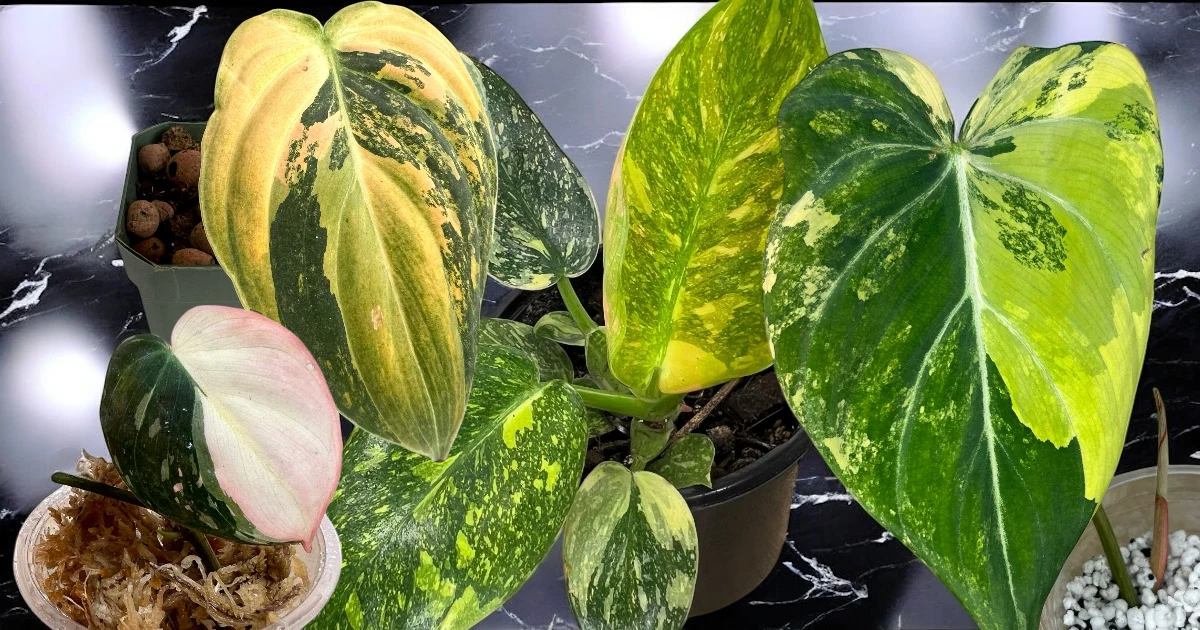
Successful large-scale plant production does not end with purchasing high-quality planting material. The way plants are handled after delivery plays a critical role in determining survival rates, growth uniformity, and long-term plantation performance. Tissue culture plants, although strong and disease-free when produced correctly, are still sensitive at the post-shipment stage and require careful acclimatization.
Modern commercial growers increasingly rely on controlled propagation systems to ensure consistency and efficiency. However, improper handling after transport can quickly reduce the advantages gained during production. This makes post-delivery care an essential part of the cultivation process.
For commercial operations sourcing from reliable suppliers such as Wholesale Tissue Culture Plants, proper handling techniques ensure that plants transition smoothly from transport conditions to nursery or field environments with minimal stress and loss.
Immediate Inspection Upon Arrival
The first step after receiving tissue culture plants is a thorough inspection. This helps identify any transit damage or environmental stress before planting begins.
Growers should check for:
- Physical damage to plantlets or containers
- Signs of dehydration or discoloration
- Packaging integrity and moisture levels
Early identification of issues allows for quick corrective actions, which can prevent further losses during the acclimatization phase.
Proper Acclimatization Before Planting
Tissue culture plants are grown in sterile, controlled environments and must be gradually adapted to external conditions. This process, known as acclimatization or hardening, is essential for survival.
Key practices include:
- Gradual exposure to light and humidity changes
- Maintaining high humidity levels initially
- Avoiding sudden temperature fluctuations
Proper acclimatization helps plants develop stronger cuticles and root systems, improving their ability to thrive in natural environments.
Correct Watering and Moisture Management
Water management is one of the most critical factors after delivery. Tissue culture plants are highly sensitive to both overwatering and dehydration during the early stages.
Best practices include:
- Keeping growing media consistently moist but not waterlogged
- Using misting systems for humidity control where possible
- Monitoring drainage to prevent root rot
Balanced moisture levels support healthy root development and reduce transplant shock.
Gradual Exposure to Environmental Conditions
Sudden exposure to harsh sunlight, wind, or low humidity can stress newly delivered plants. Controlled environmental adjustment ensures better adaptation.
Recommended steps:
- Start in shaded or semi-shaded environments
- Slowly increase sunlight exposure over several days or weeks
- Protect plants from strong winds and extreme temperatures
This gradual transition allows plants to adapt naturally without compromising growth potential.
Nutrient Management After Establishment
Once plants begin to stabilize, proper nutrition becomes important for supporting growth and development. However, fertilization should be introduced carefully to avoid stress.
Guidelines include:
- Starting with diluted nutrient solutions
- Avoiding excessive fertilization in early stages
- Gradually increasing nutrient strength as plants mature
Balanced nutrition supports strong root development and vigorous vegetative growth.
Hygiene and Disease Prevention Practices
Even though tissue culture plants are produced in sterile environments, post-delivery contamination risks still exist. Maintaining cleanliness in the nursery or planting area is essential.
Preventive measures include:
- Using clean tools and containers
- Avoiding overcrowding of plants
- Regular monitoring for early signs of stress or disease
Good hygiene practices help preserve plant health and ensure consistent growth performance.
Monitoring Growth and Early Intervention
Regular monitoring during the first few weeks after delivery is crucial for identifying issues early. Small problems can escalate quickly if not addressed in time.
Important monitoring actions include:
- Checking leaf color and firmness regularly
- Observing root development and stability
- Addressing any signs of wilting or stress promptly
Early intervention improves survival rates and ensures uniform plantation development.
Conclusion
Proper handling of tissue culture plants after delivery is essential for maximizing their commercial value. Even though these plants are produced under highly controlled conditions, their success in the field depends heavily on how they are managed during the transition phase.
By following structured acclimatization, moisture control, and environmental adjustment practices, growers can significantly improve survival rates and plantation uniformity. Careful post-delivery handling ensures that investments in high-quality planting material translate into strong, productive, and sustainable agricultural outcomes.


