


Best Materials for Wudu Sinks: Durability, Maintenance, and Hygiene
Choosing the right material for a wudu sink is essential for creating a durable, hygienic, and easy-to-maintain ablution area. Whether the sink is installed in a residential bathroom, a private prayer room, or a busy mosque, it must withstand frequent water exposure, regular cleaning, and everyday use. The material also influences the sink’s appearance, installation requirements, and long-term maintenance costs.
Different materials offer different advantages. Ceramic and porcelain are popular for their smooth surfaces, while solid-surface materials provide design flexibility and natural stone offers a distinctive appearance. Understanding these differences helps homeowners, architects, and facility managers select a sink that suits their needs and budget.
Why Material Selection Matters for Wudu Sinks
A wudu sink is used frequently and may experience repeated exposure to water, cleaning products, and mineral deposits. Choosing an appropriate material can help maintain its appearance and functionality over time.
Three main factors should guide the selection process: durability, maintenance, and hygiene.
- Durability: The material should resist everyday wear, surface damage, and repeated water exposure.
- Maintenance: A practical surface should be easy to clean without requiring specialized products or complicated procedures.
- Hygiene: Smooth, properly finished surfaces can make it easier to remove dirt, soap residue, and other contaminants.
The right Wudu Sink material should also suit the installation environment. A sink in a family bathroom may have different requirements from one used continuously by worshippers in a large mosque.
Ceramic: A Practical Choice for Everyday Use
Ceramic is a widely used material for bathroom fixtures because it offers a smooth finish and is generally straightforward to maintain. It is available in different shapes, sizes, and colors, making it suitable for both traditional and contemporary ablution areas.
Advantages of Ceramic
Glazed ceramic surfaces are generally nonporous and easy to wipe clean. They can resist common bathroom stains when maintained properly and are compatible with many standard bathroom cleaning products.
Ceramic also offers design versatility. Homeowners can select compact basins for smaller bathrooms, while larger facilities can incorporate ceramic fixtures into coordinated washing areas.
Maintenance Considerations
Although ceramic is durable under normal conditions, it can chip or crack if struck by a heavy object. Avoid abrasive cleaning tools that may damage the glaze, and inspect the surface periodically for chips or cracks.
Ceramic is a suitable option for residential installations and many shared facilities where ease of cleaning and a familiar appearance are priorities.
Porcelain: Smooth Surfaces and Reliable Performance
Porcelain is another common option for bathroom sinks. It is often selected for its refined finish, resistance to staining, and suitability for regular cleaning.
Benefits of Porcelain
When properly manufactured and finished, porcelain provides a smooth, nonporous surface that helps prevent dirt and residue from becoming embedded in the material. Its clean appearance works well in modern homes, hotels, and religious facilities.
Porcelain fixtures can also complement a range of interior styles, from minimalist bathrooms to more traditional ablution spaces.
Potential Limitations
Porcelain can crack or chip under significant impact, and damaged surfaces may require professional repair or replacement. Product quality, glaze composition, thickness, and installation all influence its long-term performance.
Before buying, check the manufacturer’s specifications and recommended cleaning methods. This is particularly important for high-use mosque installations, where the sink may be cleaned several times each day.
Solid Surface: Modern Design and Seamless Appearance
Solid-surface materials are engineered products that can offer a contemporary alternative to traditional ceramic and porcelain. Depending on the formulation and manufacturing process, they may be used to create integrated basins, smooth transitions, and customized shapes.
Key Advantages
One of the main benefits of solid surface is design flexibility. Integrated basin and countertop designs can reduce visible joints and create a streamlined appearance.
Some solid-surface products can also be repaired or refinished if minor scratches develop. This depends on the material’s composition, finish, and the manufacturer’s repair guidelines.
These characteristics can make solid surface worth considering for modern homes, hotels, and purpose-built ablution areas.
Maintenance and Durability
Solid-surface materials vary in their resistance to heat, scratching, staining, and cleaning chemicals. Follow the manufacturer’s care instructions rather than assuming that all products have identical properties.
Use suitable cleaning products and avoid harsh chemicals or abrasive pads unless specifically approved. For commercial or mosque installations, confirm that the chosen product is rated for the expected frequency of use.
Natural Stone: A Distinctive and Premium Option
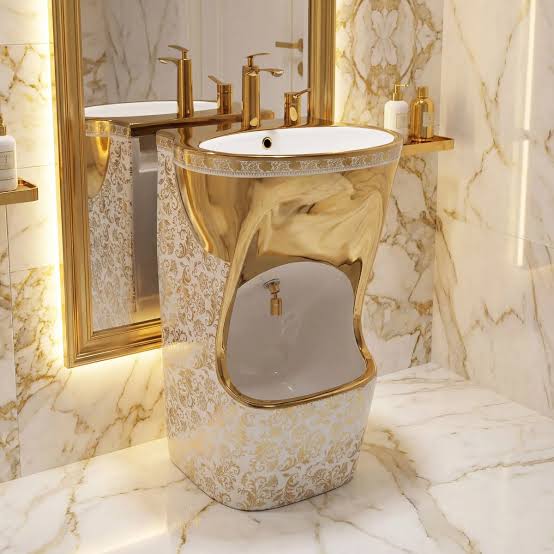
Natural stone, including marble and granite, can create a sophisticated appearance in residential bathrooms and high-end religious facilities. Each piece has its own patterns and textures, which can make the finished installation visually distinctive.
Benefits of Natural Stone
Stone offers a substantial appearance and can complement traditional, contemporary, or luxury interiors. Some varieties, such as granite, can provide good durability when properly selected and installed.
Natural stone may be suitable for decorative ablution areas where appearance is a major design consideration.
Maintenance Requirements
Not all stone has the same characteristics. Marble and some other varieties can be sensitive to acidic substances, while porous stones may absorb moisture or develop stains if they are not appropriately sealed.
Regular maintenance may include sealing, depending on the stone and its finish. Use cleaners specifically approved for the selected material, and address standing water and mineral deposits promptly.
Because stone can be relatively heavy, installation must account for structural support and suitable mounting hardware. Its purchase and maintenance costs may also be higher than those of more conventional materials.
Comparing Common Wudu Sink Materials
The following table summarizes the main differences between these options.
| Material | Durability | Maintenance | Design Style | Main Consideration |
|---|---|---|---|---|
| Ceramic | Good for normal use; vulnerable to impact damage | Generally easy | Classic and contemporary | Can chip or crack |
| Porcelain | Good when properly manufactured and installed | Generally easy | Clean, refined appearance | Quality and glaze affect performance |
| Solid surface | Varies by formulation; some products are repairable | Usually straightforward with suitable cleaners | Modern and customizable | Heat and scratch resistance vary |
| Natural stone | Depends on stone type and installation | May require sealing and specialized care | Natural and premium | Cost, weight, and porosity |
No single material is ideal for every project. The best option depends on the budget, frequency of use, cleaning routine, and intended design.
Which Material Is Best for a Home Wudu Sink?
For most homes, ceramic and porcelain are practical starting points. Their smooth finishes, broad availability, and relatively straightforward maintenance make them suitable for everyday bathroom use.
A compact ceramic or porcelain basin can work well in a small bathroom where cleaning and space efficiency are priorities. For a more contemporary appearance, a solid-surface basin may provide additional design flexibility.
Natural stone may be worth considering when a distinctive interior finish is important and the homeowner is comfortable with its maintenance requirements.
Before deciding, assess the sink’s dimensions, installation method, faucet position, and compatibility with existing plumbing. A well-chosen material will not compensate for a poorly planned layout, so both product quality and overall design deserve attention.
Which Material Is Best for Mosque Wudu Facilities?
Mosques typically require fixtures that can withstand frequent use and repeated cleaning. For these environments, ease of maintenance and long-term durability should generally take priority over decorative features alone.
Ceramic and porcelain can be suitable when the selected products meet the facility’s performance requirements. Solid-surface materials may also be appropriate, particularly where integrated basins or customized washing stations are needed.
Natural stone can work in certain facilities, but its weight, sealing requirements, and cleaning needs should be evaluated carefully before installation.
For a busy mosque, consider the following factors:
- Expected daily usage and peak periods before prayer.
- Resistance to routine cleaning products.
- Availability of replacement parts and repair services.
- Ease of cleaning around the basin and plumbing.
- Installation support and long-term maintenance costs.
Selecting a suitable material is only one part of the process. Proper drainage, reliable faucets, safe flooring, and accessible washing positions are equally important for an effective ablution area.
Cleaning and Hygiene Tips for Long-Term Performance
Regardless of the material, regular cleaning helps preserve the sink’s appearance and supports good hygiene.
Use Compatible Cleaning Products
Choose a cleaner approved for the sink’s surface. Mild, nonabrasive products are often suitable for routine cleaning, but specific materials may require different care. Avoid acidic cleaners on sensitive stone and abrasive tools on delicate finishes.
Prevent Mineral Deposits
Hard water can leave mineral deposits around faucets and drains. Wipe away excess water after use when practical, and remove buildup with a product approved for the material.
Inspect the Sink Regularly
Check for cracks, chips, loose fittings, leaking connections, and slow drainage. Addressing small issues early can prevent more extensive damage and reduce maintenance expenses.
Keep the Surrounding Area Dry
Water can collect around the sink and create slippery surfaces. Ensure that drainage is adequate and that the floor is cleaned regularly. In shared facilities, a consistent cleaning schedule is especially important because of the number of users.
Additional Factors to Consider Before Purchasing
Material selection should be combined with an evaluation of the complete fixture. Before making a final decision, check the following:
- Product specifications: Confirm the material composition, surface finish, and intended use.
- Installation requirements: Check the sink’s weight, mounting system, and plumbing connections.
- Warranty coverage: Understand what damage and maintenance issues are covered.
- Replacement and repair options: Confirm that suitable parts and professional support are available.
- Total ownership cost: Consider the purchase price, installation, cleaning supplies, and likely repair expenses.
These checks can help buyers avoid unexpected costs and choose a product suited to its intended environment.
Conclusion
The best material for a wudu sink depends on the balance between durability, hygiene, appearance, maintenance, and budget. Ceramic and porcelain are practical choices for many residential and communal applications, solid surface offers contemporary design flexibility, and natural stone can provide a distinctive finish when its care requirements are properly managed.
For homes, prioritize comfort, ease of cleaning, and compatibility with the available space. For mosques, give additional attention to frequent use, cleaning schedules, repair access, and long-term operating costs.
By comparing material specifications and understanding their maintenance requirements before purchasing, you can select a wudu sink that supports a clean, functional, and comfortable ablution area for years to come.


