


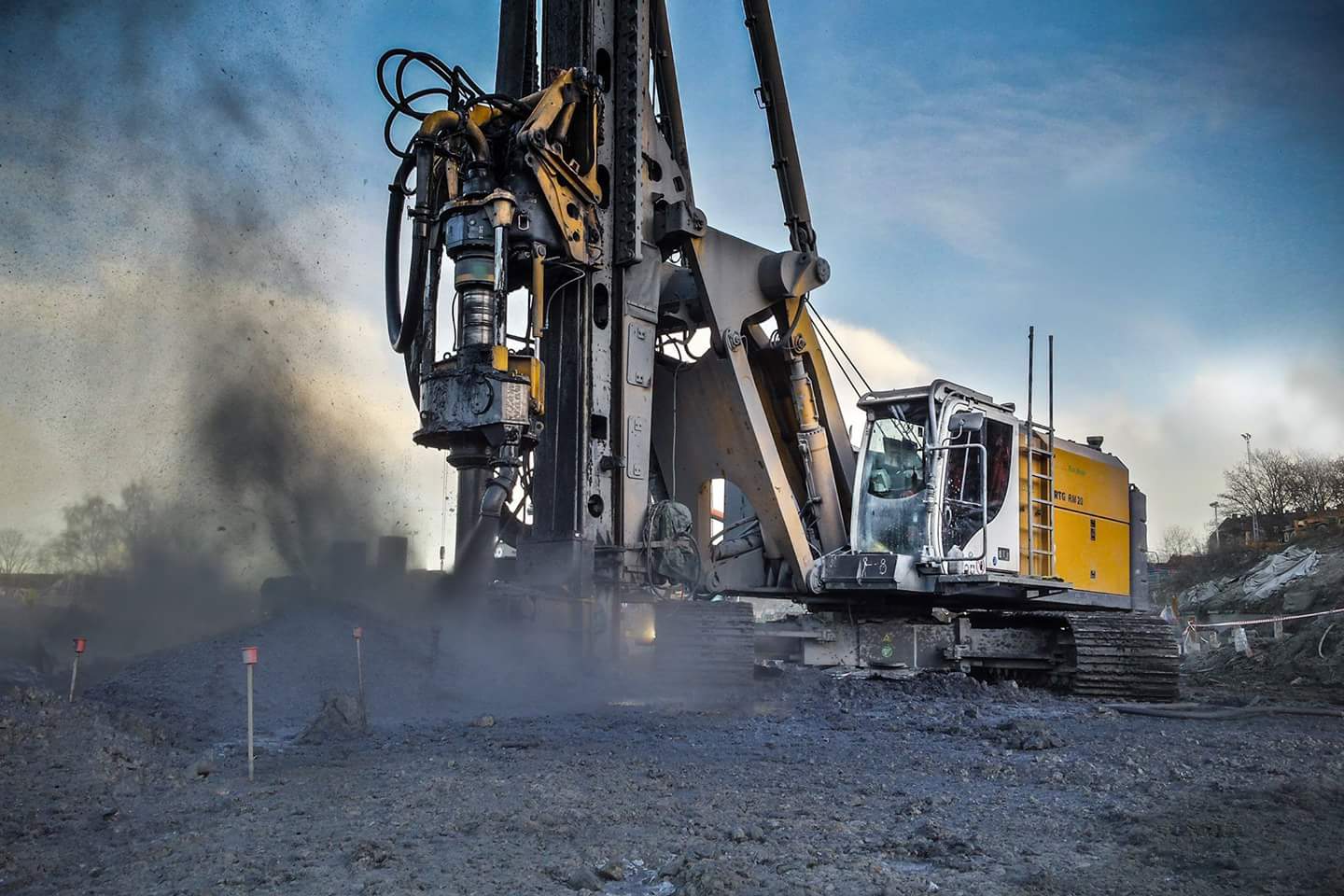
In modern construction engineering, deep foundation systems are essential for ensuring the safety, stability, and longevity of structures. As urbanization accelerates and infrastructure demands increase, engineers rely on advanced machinery to handle complex soil conditions and heavy structural loads efficiently. These systems play a critical role in transferring building loads to deeper, more stable ground layers.
A pile drilling rig is a key machine used in deep foundation construction, and a pile drilling rig is widely applied in both infrastructure and building projects because of its precision, adaptability, and ability to create stable pile foundations in diverse soil environments where traditional methods may not be effective.
Role of Pile Drilling Rigs in Foundation Engineering
Pile drilling rigs are designed to create deep boreholes in the ground where reinforced concrete or steel piles are installed. These piles help transfer structural loads from buildings and infrastructure into stronger underground layers.
Unlike impact-based piling methods, drilling rigs use controlled rotary or hydraulic systems. This reduces vibration, improves accuracy, and minimizes disturbance to surrounding soil and nearby structures. As a result, they are widely used in both urban and large-scale construction projects.
Applications in Building Construction
In building construction, pile drilling rigs are essential for creating strong foundations that support vertical loads and ensure structural stability over time.
Common applications include:
- High-rise residential towers
- Commercial office buildings
- Shopping malls and mixed-use complexes
- Underground parking structures
- Residential apartment foundations
These projects require precise foundation work because even minor settlement can affect structural integrity. Drilling rigs ensure accurate depth and alignment for every pile installed.
Applications in Infrastructure Projects
Pile drilling rigs are equally important in infrastructure development, where structures must withstand heavy loads, environmental stress, and long-term usage.
Key infrastructure applications include:
- Bridge piers and support foundations
- Highway overpasses and interchanges
- Railway tracks and elevated rail systems
- Airport runways and terminal buildings
- Ports, docks, and marine structures
In these projects, foundation reliability is critical for public safety and operational efficiency. Drilling rigs help ensure that piles reach stable soil or rock layers capable of supporting large-scale loads.
Use in Urban Construction Environments
Urban construction sites present unique challenges such as limited space, nearby buildings, and strict noise regulations. Pile drilling rigs are ideal for these conditions because they operate with low vibration and controlled noise levels.
Their precision allows construction teams to work in tight spaces without disturbing surrounding infrastructure. This makes them a preferred choice for city-based development projects.
Performance in Diverse Soil Conditions
Soil conditions vary widely across construction sites, ranging from soft clay to dense rock formations. Pile drilling rigs are designed to adapt to these variations by using different drilling tools and techniques.
In soft soil, rigs can drill quickly and efficiently, while in harder layers, specialized cutting tools provide the necessary penetration force. This adaptability ensures consistent performance across all types of geological environments.
Contribution to Large-Scale Industrial Projects
Beyond buildings and infrastructure, pile drilling rigs are also used in heavy industrial construction projects. These include factories, power plants, and storage facilities that require strong foundations to support heavy equipment and machinery.
Their ability to handle deep and stable pile installation makes them suitable for projects where structural reliability is essential for operational safety.
Advantages in Modern Construction Practices
The use of pile drilling rigs offers several advantages that improve overall construction efficiency and quality.
Key benefits include:
- High precision in pile placement
- Reduced vibration and noise impact
- Improved safety in urban environments
- Strong adaptability to different soil types
- Enhanced load-bearing capacity of foundations
These advantages make drilling rigs a preferred solution in modern foundation engineering.
Technological Advancements in Drilling Equipment
Modern pile drilling rigs are equipped with advanced hydraulic systems, digital monitoring tools, and automated controls. These technologies allow operators to maintain accuracy and monitor drilling performance in real time.
Automation also reduces human error and improves efficiency, ensuring that each pile meets strict engineering standards.
Conclusion
Pile drilling rigs play a vital role in both infrastructure and building construction by providing reliable deep foundation solutions. Their ability to operate efficiently in diverse soil conditions, combined with their precision and adaptability, makes them indispensable in modern engineering. From skyscrapers to bridges and industrial facilities, a pile drilling rig ensures stable and long-lasting foundations that support the growing demands of global construction projects.


