


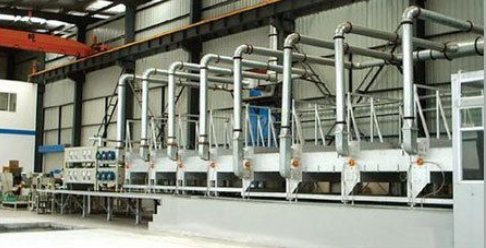
In high-volume industrial manufacturing, equipment reliability directly affects production efficiency, product quality, and operational costs. This is especially true in metal finishing industries where continuous processes depend on stable mechanical performance and precise system coordination. Regular maintenance is essential to ensure consistent output and avoid unexpected downtime.
A modern aluminum coil coating line is a complex system composed of mechanical, chemical, and thermal units working in sequence. Proper maintenance and inspection practices help ensure that each section operates efficiently, delivering high-quality coated aluminum products with minimal defects.
Importance of Preventive Maintenance in Coil Coating Systems
Preventive maintenance is the foundation of reliable coil coating operations. Instead of reacting to failures, manufacturers schedule routine inspections and servicing to avoid breakdowns before they occur.
Key benefits include:
- Reduced unexpected downtime
- Improved coating quality consistency
- Extended equipment lifespan
- Lower long-term repair costs
A structured maintenance plan ensures that production remains stable even during high-demand cycles.
Regular Inspection of Mechanical Components
Mechanical systems are the backbone of any coil coating line. Components such as rollers, bearings, and tension systems must be inspected regularly to maintain smooth operation.
Roller System Maintenance
Rollers play a crucial role in coating application and strip movement. Any imbalance or surface wear can affect coating uniformity.
Inspection points include:
- Surface wear or coating buildup
- Alignment accuracy
- Rotation smoothness
- Cleaning condition
Proper roller maintenance ensures consistent coating thickness and prevents surface defects.
Bearing and Drive System Checks
Bearings and drive motors must operate smoothly to maintain continuous production flow. Lubrication levels and vibration conditions should be monitored regularly to detect early signs of wear.
Cleaning and Chemical System Maintenance
Chemical systems used for cleaning and pretreatment require strict maintenance to maintain coating quality. Contaminated or imbalanced chemical solutions can lead to poor adhesion and surface defects.
Maintenance practices include:
- Regular tank cleaning
- Chemical concentration monitoring
- Filter replacement
- Spray nozzle inspection
Keeping chemical systems clean ensures stable surface preparation and coating adhesion.
Oven and Heating System Inspection
Curing ovens are one of the most energy-intensive and critical parts of the production line. Temperature stability and airflow consistency are essential for proper coating curing.
Key inspection areas include:
- Heating element performance
- Temperature sensor calibration
- Air circulation efficiency
- Insulation condition
Any deviation in temperature control can result in under-cured or over-baked coatings, affecting product durability.
Electrical and Control System Maintenance
Modern coil coating lines rely heavily on automation and digital control systems. Electrical components must be regularly checked to ensure safe and stable operation.
Important maintenance tasks include:
- Control panel inspection
- Wiring and connection checks
- Sensor calibration
- Software updates
Maintaining accurate control systems helps ensure process stability and reduces operational errors.
Tension and Alignment System Checks
Proper strip tension and alignment are critical for preventing material damage and coating defects. Even slight misalignment can lead to uneven coating or mechanical stress.
Inspection steps include:
- Tension controller calibration
- Alignment sensor testing
- Edge guide system verification
- Coil tracking accuracy checks
Maintaining correct tension ensures smooth strip movement throughout the entire production process.
Lubrication and Wear Management
Lubrication plays a key role in reducing friction and extending equipment life. Without proper lubrication, mechanical parts may experience excessive wear and overheating.
Best practices include:
- Scheduled lubrication intervals
- Use of manufacturer-recommended lubricants
- Monitoring for leaks or contamination
- Recording maintenance logs
Effective lubrication management reduces mechanical failures and improves system efficiency.
Common Operational Issues and Troubleshooting
Even well-maintained systems may encounter operational issues. Early identification and troubleshooting are essential for minimizing downtime.
Common problems include:
- Uneven coating application
- Strip slippage or misalignment
- Temperature fluctuations in curing ovens
- Chemical imbalance in pretreatment systems
Addressing these issues quickly helps maintain production quality and efficiency.
Role of Predictive Maintenance Technologies
Modern manufacturing facilities are increasingly adopting predictive maintenance systems to enhance reliability. These systems use sensors and data analysis to predict equipment failures before they occur.
Predictive maintenance offers:
- Real-time equipment monitoring
- Early fault detection
- Reduced unplanned downtime
- Optimized maintenance scheduling
This technology improves decision-making and enhances overall production efficiency.
Safety Considerations During Maintenance
Safety is a critical aspect of maintenance operations in industrial environments. Proper procedures must be followed to protect workers and prevent accidents.
Key safety measures include:
- Lockout/tagout procedures before servicing
- Use of protective equipment
- Safe handling of chemicals
- Proper ventilation during maintenance work
Following safety protocols ensures a secure working environment for maintenance teams.
Conclusion
Maintenance and equipment inspection are essential for ensuring the long-term performance and reliability of coil coating systems. A structured maintenance strategy helps prevent breakdowns, improve efficiency, and maintain consistent product quality.
Within a modern aluminum coil coating line, every component—from mechanical rollers to digital control systems—requires regular attention to ensure smooth and stable operation. As manufacturing technology continues to evolve, predictive maintenance and automation will play an even greater role in improving efficiency, reducing costs, and extending equipment lifespan.


