


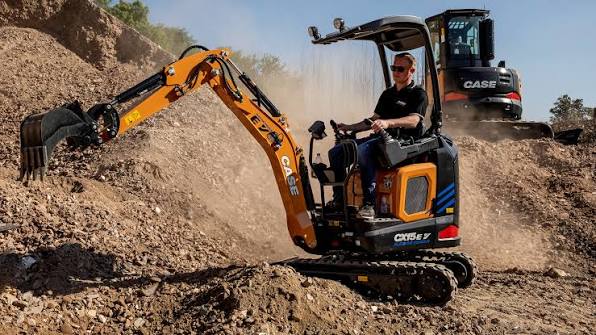
Fence installation may appear to be a straightforward construction activity, but preparing a long boundary can involve considerable groundworks. Contractors may need to remove vegetation, establish post positions, dig holes, prepare access routes, and work around existing landscaping. Outdoor improvement projects can add further tasks, including drainage preparation, garden restructuring, and small foundation work. Choosing suitable machinery can make these activities easier to organise, particularly when access is limited.
For contractors handling this type of work, an electric powered mini excavator may be worth considering when its digging capacity and dimensions match the project. Battery-powered operation may also be relevant near occupied properties or in locations where direct exhaust emissions are a concern. The machine should be selected according to the ground, fence design, access route, and expected daily workload.
Preparing the Boundary Before Excavation
A successful fence installation starts with accurate setting out. The contractor should establish the boundary line, post spacing, gate positions, and any changes in ground level before digging begins.
Existing services must be identified before excavation. Water pipes, electrical cables, irrigation systems, and communication lines may cross the planned fence route. The team should obtain available service information and use appropriate locating procedures.
Trees, roots, retaining walls, and neighbouring structures may also affect where posts can be installed. A site inspection helps identify obstacles and determine whether the machine can follow the proposed route without creating unnecessary disturbance.
Digging Post Holes Efficiently
Fence posts require holes that suit the post dimensions, soil conditions, fence design, and relevant installation requirements. A compact excavator can assist with digging repeated holes or preparing a continuous trench, depending on the selected method.
An auger attachment may be appropriate for some post-hole applications, but compatibility must be confirmed. The excavator needs suitable auxiliary hydraulic flow and pressure, and the attachment must be approved for the machine.
In other situations, a narrow bucket may provide better control, particularly where soil contains stones or where the contractor needs to adjust the hole dimensions. The chosen method should follow the fence design and installation instructions rather than relying on a general preference for one attachment.
Working Along Narrow Property Boundaries
Fence lines often follow the edge of a garden, driveway, field, or commercial property. The available space may be limited by walls, buildings, trees, and neighbouring land.
The excavator’s transport width, operating dimensions, and tail swing should be checked against the access route. A machine that fits through a gate may still need additional room to position its boom and work safely.
Track width and ground pressure are also important when travelling over lawns or soft ground. Contractors may need protective mats or an alternative route to avoid damaging existing surfaces. Where the boundary slopes, the manufacturer’s limits for travelling and operating on gradients must be followed.
Using Electric Equipment Near Occupied Properties
Residential fence work often takes place close to homes and gardens that remain in use during the project. Machinery noise and exhaust emissions can affect the experience of residents and neighbours.
An electric excavator produces no direct exhaust emissions during normal operation. It may also reduce some engine-related noise, although digging, tracks, hydraulic functions, and attachments remain audible.
Contractors should review actual machine noise information and arrange work in accordance with local restrictions. Clear communication with property owners can help manage access, deliveries, and temporary disruption.
Managing Soil and Material Handling
Fence installation creates excavated material that must be stored or removed. The contractor should decide whether suitable soil can be reused for backfilling or whether surplus material needs to be taken away.
Placing spoil along the boundary can obstruct the machine’s travel route or make it difficult for workers to install posts. A planned storage area helps maintain access and keeps the work sequence organised.
If concrete is used around posts, the team should also plan the delivery and placement of materials. The excavator should not block access needed by concrete mixers, wheelbarrows, or other equipment.
Battery Planning for Linear Projects
Fence installation may involve repeated digging over a long distance. Although individual holes may be relatively small, travelling between locations can add to the machine’s energy demand.
The contractor should estimate the expected number of holes, digging conditions, attachment use, and daily travel. Battery consumption should be based on manufacturer information and actual operating data where available.
Charging access should be confirmed before work begins. If the fence route crosses a large property or remote area, the business should plan how the machine will be charged between shifts or at an approved facility.
Choosing Attachments and Machine Capacity
The excavator’s suitability depends on the size and number of holes, soil type, post dimensions, and any additional groundworks. Buyers should compare digging depth, reach, bucket capacity, hydraulic flow, and attachment compatibility.
A machine selected for small garden fencing may not have the capacity required for larger agricultural posts or difficult ground. Contractors should explain their intended applications to the supplier and request confirmation that the proposed model is suitable.
More Than a Post-Hole Machine
Fence installation is often part of a wider outdoor improvement programme. The same excavator may help prepare drainage routes, remove soil, reshape garden areas, or support small foundation tasks, provided its specifications match those applications.
A carefully selected electric mini excavator can therefore serve several purposes for a fencing or landscaping contractor. The decision should be based on practical capacity, access, charging, and the range of work the business expects to complete.


