


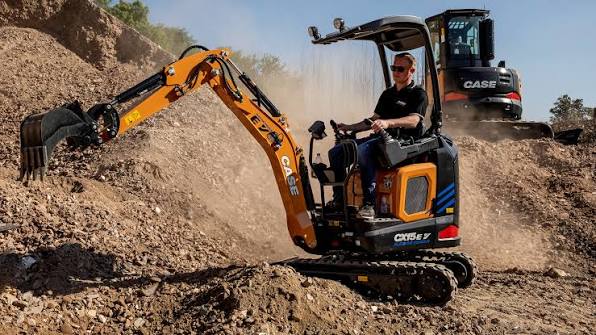
Battery-powered construction machinery is becoming an important subject for contractors evaluating how equipment technology may influence future operations. Excavation work continues to demand reliable digging capability, appropriate hydraulic performance, and sufficient operating time, but businesses are also considering noise, emissions, maintenance, and energy requirements when selecting machinery.
The growing interest in electric diggers reflects these changing priorities. Battery-powered machines use stored electrical energy rather than relying on a conventional diesel engine to provide power. This arrangement can offer several operational benefits, although performance, charging requirements, and suitability vary according to the machine and the work being undertaken.
Understanding Battery-Powered Operation
A battery-powered excavator stores electrical energy within its battery system and uses electric motors and associated power electronics to operate the machine. Hydraulic equipment continues to provide the force required for many excavation functions, depending on the machine’s design.
This differs from conventional equipment that relies on an internal combustion engine. The powertrain arrangement can affect noise, energy use, maintenance requirements, and the way operators plan their work.
Battery capacity, system design, charging method, and operating conditions all influence how the equipment performs. Buyers should review technical information provided by the manufacturer and understand the specific configuration of the model they are considering.
Reduced Direct Exhaust Emissions
One of the most recognised benefits of battery-powered equipment is that it does not produce diesel exhaust directly while operating. This can be relevant for work near buildings, occupied areas, and locations where local air quality is a priority.
Removing direct exhaust emissions from the machine’s operating area may help create a more suitable environment for workers and people nearby. It can also be beneficial for certain indoor or partially enclosed applications, provided that the site has been assessed and other hazards are properly controlled.
However, battery-powered machinery is not automatically free from environmental impact. Electricity generation, manufacturing, battery materials, transport, and recycling all contribute to its overall footprint. Businesses should avoid making broad sustainability claims without considering the complete energy and lifecycle context.
Potential Noise Advantages
Battery-powered equipment generally avoids the continuous sound associated with a diesel engine. This may help contractors undertake excavation in locations where noise restrictions or nearby occupants influence the work schedule.
Reduced engine noise can also improve communication between operators and ground workers, although standard safety communication procedures remain essential. Other sounds, including tracks, hydraulic systems, attachments, and digging activity, continue to occur.
The practical benefit will depend on the machine’s design and the task. Contractors should examine noise information and consider the full working environment before selecting equipment for a sensitive location.
Maintenance Differences
Electric powertrains may reduce the need for certain routine maintenance activities associated with diesel engines. Businesses may not need conventional engine oil changes, fuel-filter replacement, or servicing of some exhaust-treatment components.
Nevertheless, battery-powered excavators still contain mechanical and hydraulic systems that require regular attention. Tracks, buckets, hoses, hydraulic fluids, electrical connections, cooling systems, and safety equipment must be inspected according to manufacturer recommendations.
Battery systems also require appropriate care. Charging practices, operating temperature, storage, inspection, and warranty conditions should be understood before equipment is put into regular use.
Managing Energy and Charging
Charging is a fundamental part of operating battery-powered machinery. Contractors must know how much energy the machine requires, how long it can work under their expected conditions, and what charging facilities are available.
Operating time may change depending on soil resistance, digging intensity, travel, attachment use, ambient temperature, and operator technique. A demanding excavation task may consume energy differently from lighter material handling.
Planning around charging can be practical when jobs have predictable schedules. Machines may recharge overnight or during planned breaks, depending on charger capability and the work programme. Projects that involve extended operation or remote locations may require more detailed planning.
Evaluating Financial Benefits
The financial value of battery-powered equipment depends on the business’s operating pattern. Potential savings may come from reduced fuel consumption and different maintenance requirements, while costs may include electricity, charging infrastructure, battery-related service, and purchase price.
Contractors should calculate total ownership costs over an appropriate period. Comparing actual operating hours, expected energy consumption, servicing, utilisation, financing, and resale assumptions helps establish whether the machine represents a sound investment.
Equipment may also provide access to projects where emissions or noise considerations influence machinery selection. These opportunities should be assessed realistically rather than assumed.
Making an Informed Decision
Battery-powered excavators offer potential benefits in emissions, noise, and certain maintenance areas, but their effectiveness depends on the application. Contractors should match machine specifications with digging requirements, site conditions, charging access, and expected workload.
By understanding both the advantages and limitations of battery-powered operation, businesses can evaluate the technology more confidently. A practical assessment provides a stronger basis for investment than relying on general claims and helps ensure that equipment is selected for dependable performance throughout its working life.


