


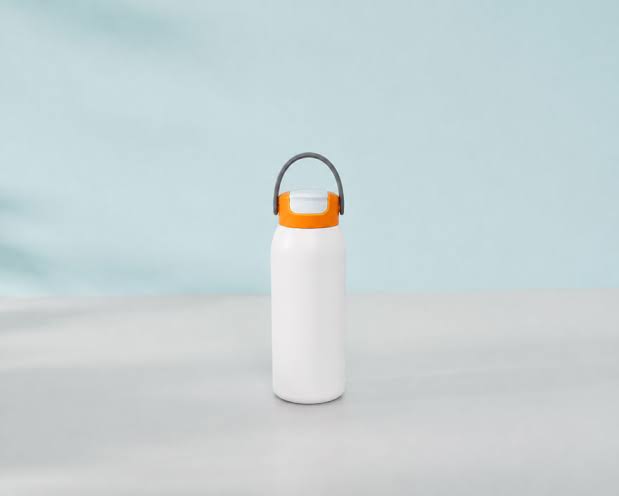
Drinkware products are used regularly in homes, offices, restaurants, hotels, and outdoor environments. Because these products come into frequent contact with beverages and undergo repeated handling, their quality and durability are essential considerations for both manufacturers and consumers. A well-made tumbler, water bottle, or drinking cup should maintain its functionality, appearance, and structural integrity throughout regular use.
Achieving consistent quality requires more than selecting suitable materials. Every stage, from product design and raw material inspection to manufacturing, finishing, and final packaging, must follow appropriate quality standards. An experienced Drinkware Manufacturer typically considers these factors when developing products that meet customer expectations and relevant industry requirements. Understanding these quality assurance practices helps businesses make better purchasing decisions.
1. Selecting High-Quality Raw Materials
Material selection is the foundation of durable drinkware. Different materials offer different levels of strength, resistance, weight, and usability. Manufacturers must choose materials according to the product’s intended application and performance requirements.
Common drinkware materials include:
- Stainless steel: Known for its strength, corrosion resistance, and suitability for reusable bottles and tumblers.
- Glass: Offers transparency and a clean appearance, although its resistance to impact depends on its composition and design.
- Plastic: Provides lightweight construction and flexibility in product design when suitable food-contact materials are used.
- Silicone: Commonly used for seals, grips, protective sleeves, and flexible accessories.
Manufacturers inspect incoming materials to verify that they meet specified requirements. Checking material composition, thickness, surface condition, and relevant safety documentation helps prevent defects before production begins.
2. Following Accurate Manufacturing Processes
The manufacturing process has a direct influence on the final product’s strength, appearance, and functionality. Different drinkware categories require specialized production methods and equipment.
For example, stainless steel bottles may undergo cutting, forming, welding, polishing, and assembly. Plastic cups may be produced through injection molding, while glass drinkware requires controlled melting, forming, and cooling processes.
Manufacturers maintain product consistency by controlling important production parameters, including temperature, pressure, dimensions, and processing times.
Accurate manufacturing also helps reduce common defects such as uneven walls, weak joints, rough edges, and inconsistent product shapes.
3. Implementing Quality Control at Every Production Stage
Effective quality control does not begin only when the finished products are ready for shipment. It should be integrated into the entire manufacturing process.
Many manufacturers use several inspection stages to identify potential problems early.
Incoming Material Inspection
Raw materials are checked before entering production. This may include verifying material specifications, dimensions, surface quality, and supplier documentation.
In-Process Inspection
During manufacturing, inspectors monitor product dimensions, forming accuracy, welding quality, and other important production characteristics.
Final Product Inspection
Finished drinkware is examined to ensure it meets approved specifications. Inspectors may check appearance, functionality, construction, and packaging condition.
A structured inspection system reduces the possibility of defective products reaching customers and helps maintain consistent production standards.
4. Testing Structural Strength and Durability
Drinkware must withstand regular handling, transportation, washing, and repeated use. Structural testing helps manufacturers determine whether products can perform reliably under expected conditions.
Depending on the product category, durability assessments may include:
- Impact or drop testing
- Resistance to deformation
- Handle and attachment strength testing
- Repeated opening and closing of lids
- Surface scratch resistance
- Stability and balance checks
For example, reusable bottles should maintain their shape during ordinary handling, while tumbler handles must remain securely attached during normal use.
Testing procedures should reflect the intended application and applicable product requirements rather than relying on a single universal durability test.
5. Ensuring Leak Resistance and Secure Sealing
Leakage is one of the most common concerns associated with reusable bottles and travel tumblers. A product may have an attractive design and durable body, but an ineffective lid or sealing mechanism can make it inconvenient to use.
Manufacturers pay particular attention to the connection between the bottle body, lid, and sealing components.
Important considerations include:
- Proper lid dimensions and fitting
- Suitable gasket and silicone seal materials
- Consistent thread design
- Secure locking mechanisms
- Resistance to leakage during normal handling
Leak testing helps identify problems caused by poorly fitted seals, damaged components, or manufacturing inconsistencies.
For products designed for transportation, reliable sealing is especially important because consumers often carry them inside bags or vehicles.
6. Maintaining Insulation Performance
Insulation is an important feature of many stainless steel bottles and tumblers. These products are designed to help maintain beverage temperatures for longer periods.
Double-wall vacuum insulation is a commonly used technology. It involves creating two walls with an evacuated space between them, reducing heat transfer through conduction and convection.
Manufacturers must carefully control the assembly and vacuum-sealing processes to maintain insulation performance.
Quality testing may include:
- Measuring temperature changes over a specified period
- Checking vacuum integrity
- Inspecting structural joints
- Evaluating lid insulation where applicable
- Testing product performance under defined conditions
Consistent testing helps ensure that insulated drinkware performs according to its stated specifications.
7. Controlling Surface Finishing and Coating Quality
Surface finishing contributes to both the appearance and durability of drinkware. Poorly applied coatings may peel, fade, scratch easily, or become uneven after repeated handling.
Manufacturers use different finishing techniques depending on the material and product design.
Common methods include:
- Polishing and brushing
- Powder coating
- Spray painting
- Electroplating
- Protective surface treatments
- Decorative printing and engraving
Each process requires appropriate preparation and quality checks. For coated products, manufacturers may evaluate coating adhesion, thickness, color consistency, and resistance to everyday wear.
Good finishing practices help products maintain their appearance while supporting the intended level of surface protection.
8. Verifying Food-Contact Safety
Since drinkware comes into direct contact with beverages, material safety is just as important as physical durability.
Manufacturers should select suitable food-contact materials and ensure that relevant components meet the requirements of their target markets.
This includes checking the suitability of materials used in:
- Bottle and cup bodies
- Inner surfaces
- Lids and drinking openings
- Silicone seals
- Plastic accessories
- Protective coatings
Depending on the product and destination market, manufacturers may need to provide food-contact testing reports, chemical migration assessments, or other compliance documentation.
Businesses should verify that the documentation applies to the specific product and materials being purchased.
9. Testing Lids, Handles, and Other Components
The durability of a drinkware product depends on more than its main body. Accessories and connecting components also influence usability and product lifespan.
A tumbler with a strong stainless steel body may still become unsuitable for everyday use if its lid cracks or its handle becomes loose.
Manufacturers therefore inspect accessories for proper fitting, structural strength, and functional performance.
For products with moving parts, repeated-use testing may help identify weaknesses in hinges, sliders, locking systems, and other mechanisms.
Component compatibility is another important consideration, particularly for products with removable lids or replaceable seals.
10. Using Advanced Equipment and Manufacturing Technology
Modern manufacturing equipment helps improve precision, production efficiency, and repeatability. Automated systems can perform certain operations with greater consistency than manual processes alone.
Depending on the production facility, manufacturers may use:
- Computer-controlled cutting equipment
- Automated forming machinery
- Precision welding systems
- Injection molding machines
- Automated polishing equipment
- Digital measurement and inspection tools
Technology also supports better monitoring of manufacturing conditions. When production parameters are recorded and reviewed, manufacturers can identify inconsistencies and improve process control.
However, equipment alone does not guarantee quality. Skilled operators, proper maintenance, accurate specifications, and effective inspection procedures remain essential.
11. Maintaining Consistency Across Bulk Orders
For businesses purchasing drinkware in large quantities, product consistency is particularly important. Customers expect every item in a collection to have similar dimensions, colors, finishes, and functional characteristics.
Manufacturers use approved product samples and technical specifications as references during mass production.
Quality teams may compare production samples against these references to identify differences in:
- Product dimensions and capacity
- Material thickness
- Color and coating appearance
- Logo placement
- Lid compatibility
- Overall construction
Maintaining documented specifications also helps ensure that repeat orders remain consistent with previous production batches.
12. Protecting Products Through Proper Packaging
Packaging is another important part of maintaining drinkware quality. Even properly manufactured products can become scratched, dented, or broken during storage and transportation if they are not protected adequately.
Packaging requirements depend on the product’s material and construction.
For example, glass cups generally require protective inserts and suitable cushioning. Stainless steel bottles may need individual protective packaging to prevent surface scratches, while customized drinkware may require branded retail boxes.
Manufacturers should inspect packaging materials and ensure that products are secured appropriately before shipment.
13. Using Customer Feedback to Improve Product Quality
Quality improvement continues after products reach the market. Customer feedback can reveal performance issues that may not appear during standard factory inspections.
Common feedback areas include leakage, coating wear, lid functionality, cleaning difficulties, and insulation performance.
Manufacturers can use this information to identify recurring problems and make improvements to product designs or production processes.
For example, repeated complaints about loose lids may indicate a need to review component dimensions or sealing materials.
A structured feedback process supports continuous improvement and helps manufacturers respond to changing customer expectations.
14. What Businesses Should Check Before Choosing a Manufacturer
Businesses sourcing drinkware should evaluate a manufacturer’s quality management practices before placing large orders. Reviewing samples and asking specific technical questions can provide valuable insight into its production standards.
Consider the following points:
- Material documentation: Confirm the materials and grades used in the products.
- Inspection procedures: Ask how incoming materials, production batches, and finished products are checked.
- Testing capabilities: Determine whether the manufacturer can conduct leakage, durability, and insulation tests where relevant.
- Compliance records: Request applicable food-contact and product safety documentation.
- Production consistency: Ask how product specifications are maintained across repeat orders.
- Defect management: Understand how manufacturing problems, replacements, and customer complaints are handled.
- Sample evaluation: Examine physical samples before approving bulk production.
These steps help buyers assess whether a supplier can consistently meet their product and business requirements.
Conclusion
Drinkware manufacturers ensure product quality and durability through a combination of suitable material selection, controlled production processes, structured inspections, and product performance testing. Every stage contributes to the finished product’s safety, functionality, appearance, and ability to withstand regular use.
For businesses sourcing drinkware, understanding these quality assurance practices makes supplier evaluation more effective. Checking material specifications, testing procedures, customization quality, and production consistency can help reduce purchasing risks.
Ultimately, manufacturers that prioritize continuous improvement and reliable quality control are better positioned to deliver drinkware products that meet customer expectations and support long-term business success.


