


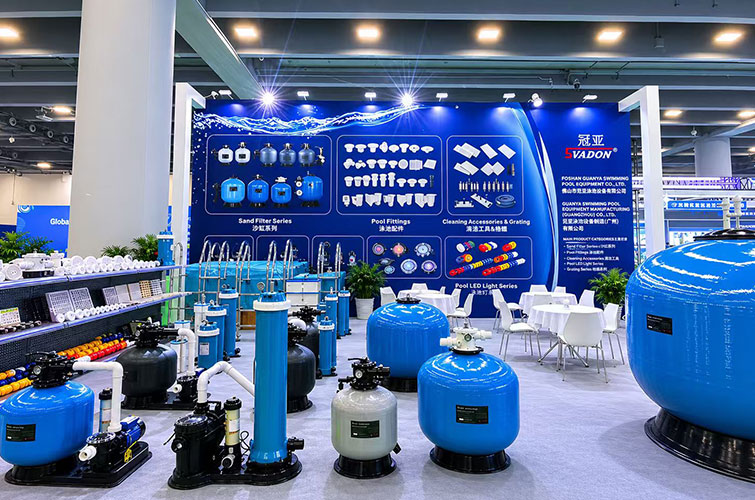
Sourcing swimming pool equipment in bulk requires careful planning, reliable suppliers, and a clear understanding of product requirements. Distributors, retailers, contractors, hospitality businesses, and pool installation companies often purchase pumps, filters, heaters, fittings, and other accessories in larger quantities to manage costs and maintain consistent inventory.
Finding the right manufacturing partner involves more than comparing unit prices. Buyers must evaluate product quality, production capacity, wholesale pricing, delivery schedules, warranty coverage, and long-term support. A supplier that offers attractive prices but cannot meet quality or delivery expectations may create costly problems throughout the supply chain.
By following a structured sourcing process, businesses can identify manufacturers that match their purchasing needs and support sustainable growth.
Understand Your Bulk Purchasing Requirements
Before contacting manufacturers, define what your business needs. A clear purchasing plan helps you request accurate quotations and compare suppliers using consistent criteria.
Start by identifying the equipment categories you intend to purchase. These may include pool circulation pumps, filtration systems, heating equipment, sanitation devices, valves, plumbing fittings, covers, and maintenance accessories.
Next, estimate your expected order quantities. Some businesses need a large one-time shipment, while others require recurring deliveries throughout the year. This distinction can affect pricing, inventory planning, and negotiations.
Consider the following details before requesting quotations:
- Product categories and specifications.
- Required quantities for each item.
- Expected purchasing frequency.
- Delivery destination and preferred shipping method.
- Applicable safety standards and certifications.
- Packaging, labeling, and documentation requirements.
- Budget limits and target delivery dates.
Having these details ready makes it easier for manufacturers to determine whether they can meet your requirements.
Search for Manufacturers That Match Your Business Needs
The first stage of supplier research is identifying companies that offer the products you need and can support your intended order volume.
Online searches, industry directories, trade exhibitions, professional networks, and referrals from established distributors can help create an initial shortlist. Product catalogs and technical documentation can then help determine whether each company is worth contacting.
A Pool Equipment Manufacturer may be one starting point when exploring swimming pool products and potential purchasing options. However, wholesale buyers should independently verify the company’s manufacturing role, product range, order policies, and ability to fulfill bulk requirements.
Distinguish Manufacturers From Distributors
Not every business that sells pool equipment manufactures the products itself. Some companies produce equipment, while others purchase products from different factories and resell them.
Both business models can be useful, depending on your needs.
Manufacturers may offer greater access to production specifications, customization, and factory-level quality controls. Distributors may provide a broader range of brands, smaller minimum order quantities, and convenient access to local stock.
Ask potential suppliers where products are manufactured, which product lines they produce directly, and whether any items are sourced from third parties.
This information helps you compare suppliers fairly and understand who is responsible for product quality and after-sales support.
Evaluate Product Quality Before Placing a Large Order
Bulk purchasing can increase the impact of quality problems. If an entire shipment contains defective or unsuitable products, the buyer may face substantial replacement, return, installation, and customer-service costs.
For this reason, product evaluation should take place before negotiating the final order.
Review Technical Specifications
Request detailed product specifications for every major equipment category. Pump specifications may include flow rate, total dynamic head, motor power, electrical requirements, and connection sizes. Filter specifications may include rated flow, pressure limits, filter media requirements, and maintenance instructions.
For heating equipment, examine heating capacity, energy requirements, operating conditions, and installation limitations.
Compare products against your actual applications instead of relying only on general descriptions or advertised performance figures.
Request Samples or Trial Orders
Where practical, ask whether the supplier can provide samples or a smaller initial order. This allows your team to inspect product quality, packaging, documentation, and compatibility before committing to a large shipment.
For technical equipment, arrange appropriate functional testing or have a qualified professional assess the products.
A trial order also provides insight into communication, order processing, shipping preparation, and the supplier’s response to questions.
Verify Certifications and Compliance
Equipment intended for particular markets may need to meet specific safety, electrical, pressure, or performance requirements.
Ask for relevant certificates, declarations of conformity, and test documentation. Confirm that the documents apply to the exact models being offered and satisfy the requirements of your destination market.
Do not assume that one certificate covers every product in a supplier’s catalog.
Compare Wholesale Pricing and Total Purchasing Costs
Wholesale pricing is an important consideration, but the lowest quoted unit price does not always represent the best value.
A useful comparison includes the full cost of purchasing, transporting, receiving, and supporting the equipment.
Potential costs include:
- Unit prices and volume discounts.
- Minimum order quantities.
- Tooling or customization charges.
- Packaging and labeling fees.
- Freight, insurance, and handling.
- Import duties, taxes, and customs clearance.
- Warehousing and inventory expenses.
- Warranty claims and replacement parts.
Request itemized quotations so you can compare offers on an equivalent basis.
Understand Minimum Order Quantities
Some manufacturers establish minimum order quantities for individual products, while others set minimum values for an entire order.
A supplier may offer a lower unit price for a larger commitment, but ordering more than your business can sell may tie up cash and increase storage costs.
Estimate demand using historical sales, seasonal patterns, customer commitments, and expected market growth.
The best order quantity balances price savings with inventory turnover, storage capacity, and cash flow.
Negotiate Volume Discounts Carefully
When discussing wholesale pricing, ask whether discounts are available for larger orders, repeat purchases, mixed-product shipments, or annual purchasing agreements.
You may also negotiate payment terms, packaging arrangements, spare-parts pricing, and shipping schedules.
Avoid focusing exclusively on discounts. A slightly higher unit price may be worthwhile if the supplier provides more consistent quality, better documentation, dependable deliveries, or stronger technical support.
Assess Manufacturing Capacity and Production Reliability
A supplier must have sufficient capacity to fulfill your orders within the required timeframe. This is particularly important for businesses with seasonal demand or contractual delivery commitments.
Ask about typical lead times, current production schedules, maximum output, and the process for handling unexpected demand.
If the manufacturer offers several equipment categories, confirm whether all items are produced at the same facility or sourced from different locations.
Check Production and Inventory Capabilities
Some orders can be fulfilled from existing inventory, while others require manufacturing after confirmation. These arrangements affect delivery timing and the risk of delays.
Ask the supplier to distinguish between stocked products and made-to-order equipment.
For recurring orders, discuss how production slots and inventory allocations will be managed. A written schedule can help both parties plan around peak seasons and changing demand.
Evaluate Quality Control Procedures
Manufacturing capacity is valuable only when product quality remains consistent.
Ask how the company inspects incoming materials, monitors assembly, tests finished products, and handles defective units. Depending on the equipment, checks may include electrical safety, pressure resistance, leakage, flow performance, and dimensional accuracy.
You can also request information about quality management systems and relevant third-party audits.
Where order size and business risk justify it, consider arranging a factory audit or an independent pre-shipment inspection.
Review Customization and Private-Label Options
Some wholesale buyers need standard products, while others want equipment tailored to a particular market or brand.
Customization may involve product dimensions, colors, packaging, labels, manuals, accessories, or control configurations. Private-label arrangements can also allow distributors and retailers to sell products under their own brands.
Before requesting customization, confirm whether the manufacturer has the technical capability and production resources to support it.
Discuss the following details:
- Available customization options.
- Minimum quantities for customized products.
- Prototype and sample approval procedures.
- Development and tooling costs.
- Packaging and labeling specifications.
- Ownership of designs, artwork, and tooling.
- Product testing and compliance responsibilities.
- Lead times for initial and repeat orders.
Customized products may require additional development and approval time. Include these steps in your purchasing schedule rather than assuming they will follow the same timeline as standard equipment.
Verify Supplier Reputation and Business Credentials
A professional website and an extensive product catalog do not necessarily establish that a supplier is reliable. Buyers should verify business information and look for evidence of relevant experience.
Review the company’s operating history, manufacturing locations, product range, and experience supplying similar customers or markets.
References from existing customers can provide useful information about product consistency, delivery performance, communication, and warranty handling.
If feasible, arrange a video meeting, factory visit, or independent business verification. For international purchases, confirm the legal entity named on the quotation, contract, invoice, and payment instructions.
Be cautious of suppliers that provide inconsistent company details, refuse reasonable documentation requests, or pressure buyers to make unusually large advance payments without appropriate safeguards.
Examine Payment Terms and Contract Conditions
Bulk orders often involve substantial financial commitments. Clear payment terms and written contracts help reduce misunderstandings and establish responsibilities.
Depending on the supplier and transaction, payment arrangements may include deposits, milestone payments, payment before shipment, letters of credit, or other agreed methods.
Evaluate each arrangement based on the transaction size, supplier history, and financial risk.
The purchase contract should clearly specify:
- Product models, specifications, and quantities.
- Unit prices and total order value.
- Delivery schedule and shipping responsibilities.
- Inspection and acceptance criteria.
- Required certificates and documentation.
- Warranty terms and defect-resolution procedures.
- Packaging and labeling requirements.
- Payment schedule and applicable fees.
- Procedures for delays, shortages, and nonconforming goods.
For international shipments, define the applicable delivery terms, including the agreed Incoterms rule and named place where relevant. These details help clarify which party is responsible for transport costs, insurance, and certain shipping risks.
For large or complex orders, professional legal and trade advice may be worthwhile.
Plan Shipping, Warehousing, and Inventory Management
Even a reliable manufacturer can create difficulties if logistics are poorly coordinated.
Pool equipment may include heavy pumps, bulky filter tanks, fragile control components, and smaller accessories that can be misplaced or damaged during transport. Packaging and loading arrangements should reflect the characteristics of the products.
Discuss carton dimensions, pallet configurations, protective materials, shipping marks, and handling instructions before production is complete.
Estimate Delivery Lead Times
Ask suppliers to provide separate estimates for production, quality inspection, dispatch, transit, and customs clearance.
International orders can be affected by port congestion, carrier schedules, customs documentation, and seasonal demand. Build a reasonable buffer into your inventory plan.
For seasonal pool businesses, ordering well before the expected sales period can reduce the risk of stock shortages.
Inspect Shipments on Arrival
Establish a receiving procedure before the shipment arrives. Check quantities, packaging condition, model numbers, and visible damage against the purchase order and packing list.
Where appropriate, conduct additional testing or sampling according to an agreed inspection plan.
Document discrepancies promptly and follow the contract’s notification procedures. Photographs, inspection records, and shipment documents can help resolve claims efficiently.
Evaluate Warranty and After-Sales Support
Pool equipment requires maintenance, and some products may eventually need replacement parts or technical service.
A manufacturer that provides clear support arrangements can help reduce downtime and protect your relationship with customers.
Ask about warranty duration, covered components, exclusions, claim procedures, and the documentation required to request service.
Also confirm the availability of common spare parts, replacement components, installation instructions, and troubleshooting guidance.
For wholesale buyers, support arrangements are especially important because one unresolved defect may affect multiple customers.
Consider whether the supplier can provide training or technical documentation to help your installation and service teams identify common problems.
Build a Long-Term Wholesale Relationship
Reliable sourcing is often a continuing process rather than a one-time transaction. A strong supplier relationship can improve order planning, communication, product availability, and issue resolution.
Start by agreeing on realistic expectations for quality, pricing, delivery, and support. Share demand forecasts when possible, while avoiding commitments that exceed your business’s financial capacity.
After each shipment, evaluate the supplier’s performance using measurable criteria such as:
- On-time delivery rate.
- Order accuracy.
- Defect and return rates.
- Responsiveness to technical questions.
- Warranty resolution time.
- Price stability and transparency.
- Availability of replacement parts.
Regular reviews help identify recurring problems before they affect larger orders.
It is also sensible to maintain contingency plans for important equipment categories. Depending on business needs, this may include safety stock, alternative suppliers, or arrangements for emergency replacement parts.
Common Mistakes to Avoid When Buying Pool Equipment Wholesale
Several purchasing mistakes can undermine the benefits of bulk ordering.
Choosing solely on price: Low prices may conceal poor quality, limited support, or additional shipping expenses.
Skipping product testing: Buying large quantities without evaluating samples can increase the risk of widespread defects.
Ignoring compliance requirements: Equipment that cannot legally be sold or installed in the destination market may create significant financial losses.
Overestimating demand: Excess inventory can tie up working capital and increase storage costs.
Accepting vague delivery commitments: Unclear schedules make it difficult to plan stock levels and meet customer deadlines.
Neglecting contract details: Unspecified inspection, warranty, or defect procedures can complicate disputes.
Failing to verify the supplier: Incomplete business checks can expose buyers to fraud or unreliable fulfillment.
Avoiding these issues helps businesses make more informed decisions and build a more resilient supply chain.
Conclusion
Finding a pool equipment manufacturer for bulk and wholesale orders requires a balanced evaluation of product quality, pricing, production capacity, compliance, logistics, and after-sales service.
Start by defining your purchasing requirements, then compare suitable manufacturers using consistent specifications and itemized quotations. Verify certifications, request samples where practical, assess production and quality controls, and establish clear contractual terms before committing to a major order.
The most suitable supplier is not necessarily the one offering the lowest price. It is the one that can consistently provide appropriate equipment, meet agreed delivery schedules, maintain transparent communication, and support your business over the long term.
With careful planning and ongoing supplier evaluation, wholesale buyers can control purchasing risks, improve inventory management, and build a dependable foundation for their pool equipment business.


