


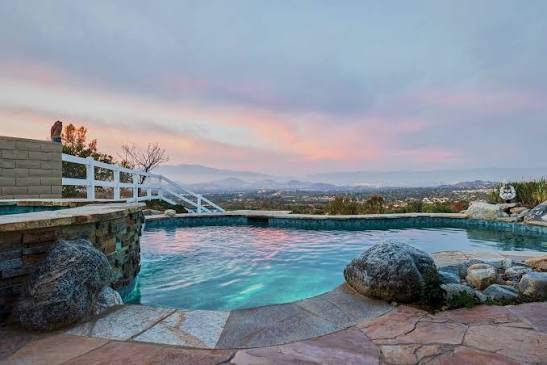
How to Choose the Right Shape and Size for a Custom Swimming Pool
Choosing the right swimming pool shape and size is an important part of creating a functional and attractive outdoor space. The ideal design should complement your property, support your intended activities, and fit comfortably within your available budget. Factors such as backyard dimensions, household needs, landscaping, and maintenance requirements all influence the final decision.
A well-planned Custom Swimming Pool can be designed to suit different residential environments, from compact urban gardens to spacious suburban properties. Understanding the advantages of different pool shapes and dimensions helps homeowners make informed decisions before construction begins.
1. Assess Your Available Outdoor Space
Before selecting a pool shape, measure the area where you plan to install it. Consider the property’s boundaries, existing structures, trees, pathways, and outdoor seating areas. These elements determine how much space is available for the pool itself.
Remember that the pool’s dimensions are only one part of the layout. You also need room for safe access, surrounding paving, fencing, drainage, and essential equipment.
For smaller properties, a narrow rectangular pool or compact plunge pool may provide the best balance between swimming space and outdoor functionality. Larger yards offer more flexibility for expansive designs, but the pool should still leave sufficient room for other activities.
2. Understand the Most Popular Pool Shapes
Pool shape influences appearance, swimming comfort, construction complexity, and how effectively the available space is used. Each design offers different advantages depending on the property and the homeowner’s priorities.
Rectangular Swimming Pools
Rectangular pools are popular because their straight edges create a clean, organized appearance. They work particularly well with modern architecture and can accommodate swimming laps, recreational activities, and straightforward pool-cover systems.
Their predictable geometry can also simplify planning for decking, fencing, and surrounding walkways. However, the final dimensions should still reflect the available space and intended use.
Square Swimming Pools
Square pools are often suitable for smaller gardens, courtyards, and contemporary outdoor spaces. Their balanced proportions can create a strong visual feature without requiring an elongated layout.
They are generally more appropriate for relaxation and casual recreation than continuous lap swimming. Homeowners should consider the intended water depth and usable swimming area before choosing this shape.
Freeform Swimming Pools
Freeform pools use curved edges and irregular outlines to create a softer, more natural appearance. They can complement landscaped gardens, organic architectural styles, and outdoor spaces with varied boundaries.
Although their flexibility can be appealing, curved layouts may require more detailed planning for covers, surrounding paving, and cleaning equipment. The design should also avoid creating awkward or difficult-to-access spaces around the pool.
L-Shaped Swimming Pools
L-shaped pools can separate different activities within one structure. For example, one section may accommodate swimming while another provides a shallower area for relaxation or family recreation.
This shape can work well in larger backyards where the layout needs to accommodate multiple uses. However, internal corners and changes in depth should be designed carefully to support circulation, visibility, and safety.
Narrow Lap Pools
Lap pools are designed primarily for exercise and regular swimming. Their long, narrow dimensions make them useful for properties where length is available but width is limited.
A lap pool does not need to occupy an entire backyard to provide a practical workout area. Homeowners should consider their swimming technique, available length, and whether a compact exercise-oriented design would better suit their routine.
3. Determine the Right Pool Size for Your Household
The correct pool size depends on the number of users, the activities planned, and how frequently the pool will be used. A pool intended for occasional cooling off has different requirements from one used for daily exercise or frequent gatherings.
Consider the following questions before settling on dimensions:
- How many people will typically use the pool at the same time?
- Will you use it mainly for exercise, relaxation, or family recreation?
- Do children or people with limited mobility need easier entry?
- Will you host guests or organize outdoor gatherings?
- How much outdoor space must remain available for other activities?
Answering these questions helps establish realistic dimensions and reduces the risk of building a pool that is either too small for your needs or unnecessarily large.
4. Consider Pool Length and Width Separately
Length and width affect how a pool functions. A longer pool may be more useful for swimming laps, while additional width can improve comfort when several people use the water simultaneously.
For recreational swimming, a balanced rectangular layout may provide enough room for movement without dominating the backyard. For fitness-focused use, prioritizing length may be more beneficial than increasing the overall width.
A narrow pool can be practical where space is restricted, but the design should still allow safe entry, comfortable movement, and suitable clearance around the edges.
Avoid selecting dimensions based solely on what looks attractive in photographs. Evaluate the proposed measurements against the actual property layout and intended activities.
5. Choose an Appropriate Pool Depth
Pool depth is just as important as length and width. The right depth depends on how the pool will be used and who will use it most often.
A shallower design may be suitable for relaxation, supervised children’s activities, and standing in the water. A deeper area may be useful for certain swimming activities, but it introduces additional safety and construction considerations.
If a pool includes multiple depth zones, ensure that changes are clearly visible and appropriately designed. Steps, benches, and entry points should be positioned so users can move safely through the water.
Diving requires specialized depth, clearance, and structural conditions. Never assume that a pool is suitable for diving simply because one section is deep; applicable safety standards must be met.
6. Match the Pool Shape to Your Property’s Architecture
A swimming pool should complement the home’s exterior rather than compete with it. Architectural style can help narrow the available design choices.
Modern homes often pair well with rectangular or geometric pools, particularly when the building features straight lines and minimalist finishes. Traditional properties may suit softer curves or designs that blend with established gardens.
The pool’s orientation also matters. Aligning its edges with the house, patio, or major landscaping features can create a more cohesive appearance.
Before construction, review the proposed layout from different viewpoints, including inside the home. This helps determine whether the pool will improve the property’s overall visual balance.
7. Account for Landscaping and Surrounding Features
A pool’s footprint should not be considered in isolation. The surrounding area influences comfort, accessibility, maintenance, and the amount of usable outdoor space remaining after installation.
Leave sufficient room for walkways, loungers, shade structures, and outdoor dining where needed. If the property includes trees, evaluate their mature size and root systems before finalizing the pool’s position.
Plants that shed heavily may increase cleaning requirements, while poorly planned drainage can allow runoff to enter the pool. Selecting suitable landscaping and positioning the pool carefully can help avoid these problems.
For smaller yards, a compact pool with a simple paved surround may be more practical than a larger design with extensive landscaping requirements.
8. Evaluate Construction Costs and Long-Term Expenses
Pool size and shape directly influence the project’s financial requirements. Larger pools generally require more excavation, structural materials, water, and equipment capacity. Complex shapes may also involve additional design and installation work.
Your budget should include more than the initial construction price. Consider the cost of filtration, circulation, heating, lighting, water treatment, cleaning, repairs, and routine servicing.
The pool’s surface area and water volume can affect operating expenses, although actual costs depend on equipment efficiency, climate, usage, and maintenance practices.
Request itemized estimates from qualified pool contractors. Comparing proposed designs and their associated costs can help you identify which dimensions and features offer the best balance between functionality and affordability.
9. Select a Shape That Supports Easy Maintenance
Some pool shapes are easier to clean and manage than others. Simple geometric designs often have straightforward edges and predictable dimensions, which can make cover selection and routine cleaning easier.
Pools with numerous corners, tight curves, or irregular sections may require more attention to ensure water circulates effectively throughout the structure. Cleaning equipment must also be suitable for the pool’s shape and dimensions.
Consider the placement of drains, returns, skimmers, and filtration equipment during the design stage. Proper circulation helps distribute treated water and reduces the likelihood of areas where debris accumulates.
If you prefer to spend less time on maintenance, prioritize accessible equipment, a manageable pool layout, and durable finishes.
10. Think About Safety and Accessibility
The pool’s shape and size should allow people to enter, exit, and move around it safely. Steps, handrails, shallow areas, and surrounding pathways should be incorporated into the original design rather than added as an afterthought.
Families with children should consider visibility across the pool and the placement of secure barriers. Slip-resistant surfaces and adequate lighting can further improve safety around the water.
If older adults or people with limited mobility will use the pool, discuss suitable entry systems and handrail placement with a qualified designer.
All pool designs should comply with applicable building and safety regulations. Active supervision of children remains essential regardless of the pool’s dimensions or safety features.
11. Plan for Pool Covers and Equipment
Equipment requirements can influence the most practical pool shape and size. Pumps, filters, heaters, and sanitization systems must be selected according to the pool’s water volume and expected usage.
Pool covers also deserve consideration early in the planning process. Standard rectangular designs may accommodate more readily available cover options, while irregular shapes may require specialized solutions.
Think about where the equipment will be installed and how technicians will access it for servicing. Adequate space around the equipment helps simplify inspections and future repairs.
Energy-efficient equipment and appropriately sized systems can help control long-term operating costs without compromising water quality.
12. Leave Room for Future Changes
Your requirements may change over time, so it is useful to consider how the pool will fit your household’s future needs. A design that works for casual recreation today may need to accommodate different activities as family members grow older.
Think about whether you may want additional lighting, improved automation, a heating system, or upgraded landscaping in the future. Planning suitable electrical connections, plumbing access, and equipment space during construction can make later improvements easier.
Avoid adding features simply because they are available. Focus on the elements most likely to provide lasting practical value.
13. Work With a Qualified Pool Designer
A professional pool designer can evaluate your property’s dimensions, soil conditions, drainage, local regulations, and intended use before recommending a layout. This assessment helps determine whether the proposed shape and size are practical.
Ask contractors to provide scaled plans showing the pool’s measurements, depth changes, surrounding clearances, equipment locations, and access routes. These details make it easier to understand how the design will fit into the property.
Before signing a contract, review the proposed materials, construction schedule, warranty terms, and maintenance requirements. Clear documentation helps align expectations and reduces the risk of costly changes during installation.
Conclusion
Choosing the right shape and size for a swimming pool requires balancing appearance, functionality, available space, safety, and budget. Rectangular pools can suit exercise and modern architecture, freeform designs can complement natural landscaping, and compact pools can provide practical solutions for smaller properties.
Before making a final decision, evaluate your household’s needs, measure the available area, compare construction and maintenance costs, and consult a qualified professional. Careful planning helps create a swimming pool that complements your home and provides lasting value without sacrificing the usability of your outdoor space.


