


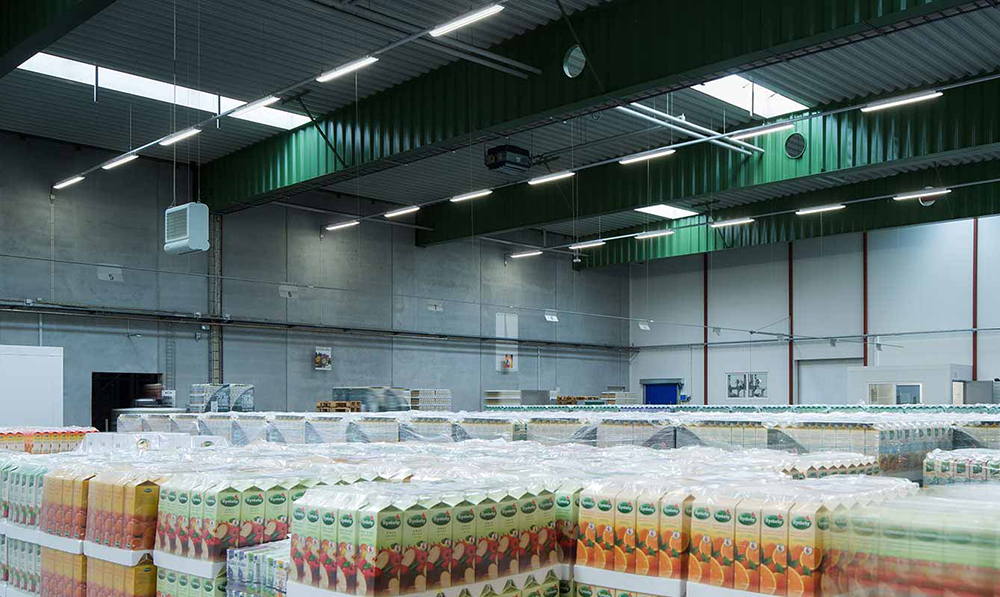
Energy efficiency has become an important consideration in commercial, industrial, warehouse, and utility lighting. LED tri-proof fixtures are designed to provide dependable illumination while using less electricity than many traditional lighting technologies.
A professional LED Tri-Proof Light Manufacturer considers energy efficiency throughout product development, from LED selection and driver design to thermal management and optical performance. The goal is to create fixtures that provide suitable light output without unnecessary energy consumption.
Selecting Efficient LED Components
The LED chips used in a fixture have a direct effect on its efficiency and light output. Manufacturers evaluate LED components based on factors such as luminous efficacy, reliability, color consistency, and operating characteristics.
Selecting suitable LEDs allows manufacturers to develop products that can deliver the required illumination while keeping electrical power consumption under control.
Designing Efficient LED Drivers
The driver is another important part of an energy-efficient lighting system. It converts and regulates electrical power so that the LEDs can operate within their intended parameters.
Manufacturers consider driver efficiency, stability, compatibility, and power characteristics when developing tri-proof fixtures. A well-matched driver can help reduce unnecessary electrical losses during operation.
Optimizing Light Distribution
Energy efficiency is not determined only by the amount of light a fixture produces. How effectively that light reaches the intended area is also important.
Manufacturers can use suitable lenses, diffusers, and optical designs to distribute light more effectively. Better distribution can help provide useful illumination without requiring excessive fixture output.
Managing Heat Effectively
Heat can influence LED performance and long-term reliability. Efficient thermal management helps maintain suitable operating temperatures and supports consistent performance.
Manufacturers may optimize the housing material, internal layout, and heat-dissipation structure to help move heat away from sensitive components.
Balancing Wattage and Light Output
Product development often involves finding an appropriate balance between electrical power and illumination. Simply increasing wattage does not necessarily provide the most effective lighting solution.
Manufacturers evaluate lumen output, fixture wattage, application requirements, and installation conditions to develop products that provide practical illumination with controlled energy use.
Using Durable Housing Designs
The physical design of a tri-proof fixture can also contribute to long-term efficiency. A durable housing can help protect internal components from environmental conditions that could affect performance.
Suitable materials and construction methods may help the fixture maintain its intended characteristics throughout regular operation, reducing the need for frequent replacement.
Improving Power Management
Manufacturers may incorporate design features that support stable electrical operation and reduce avoidable energy losses. Power factor and driver performance can be considered as part of the overall electrical design.
These factors become particularly relevant in commercial and industrial installations where many fixtures may operate for extended periods.
Testing Energy Performance
Testing allows manufacturers to compare actual product performance against design specifications. Measurements can include power consumption, lumen output, electrical characteristics, and operating temperature.
Testing can reveal whether a fixture delivers the expected level of performance under defined operating conditions and can support further product improvements.
Considering Different Applications
Energy-efficient lighting needs to match the environment where it will be installed. A warehouse, parking area, workshop, or food-processing facility may have different illumination requirements.
Manufacturers can therefore develop different wattages, lengths, beam distributions, and configurations to help customers select a fixture that provides appropriate lighting without excessive capacity.
Reducing Unnecessary Light Loss
Optical components and fixture construction can affect how much usable light reaches the target area. Poor distribution or inefficient optical materials can reduce the practical value of generated light.
Manufacturers can refine diffuser and lens designs to minimize unnecessary losses while maintaining suitable visual comfort and light distribution.
Supporting Long-Term Product Reliability
Energy efficiency is closely connected with product reliability. A fixture that maintains stable performance over a long operating period can provide more consistent value than one that experiences frequent performance issues.
Manufacturers consider component quality, thermal conditions, electrical stability, and environmental protection when developing products intended for demanding applications.
Considering Maintenance Requirements
Long operating life can reduce the resources associated with replacing lighting equipment. Tri-proof fixtures are commonly designed for environments where access to lighting may be inconvenient or costly.
By combining efficient LEDs with durable construction and reliable components, manufacturers can develop products that require less frequent replacement during normal use.
Conclusion
Developing energy-efficient LED tri-proof products involves more than selecting low-wattage LEDs. Manufacturers consider LED components, driver efficiency, optical design, thermal management, power characteristics, housing construction, and application requirements as interconnected parts of the product.
Through testing and continuous design improvements, LED tri-proof light manufacturers can create fixtures that provide suitable illumination while managing electricity consumption and supporting reliable long-term operation.


