


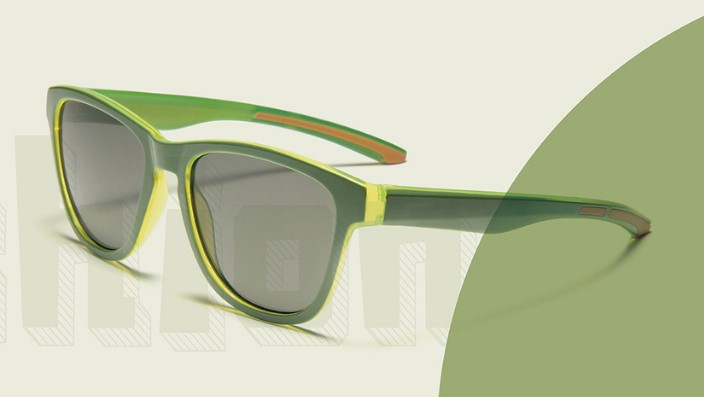
Opening a new eyewear store involves many inventory decisions, and sunglasses deserve careful planning. Carry too few styles, and customers may struggle to find something that suits them. Stock too many, and you may tie up valuable capital in products that take longer to sell.
For retailers exploring wholesale men sunglasses, the ideal starting range depends on the store size, target audience, budget, and product strategy. There is no universal number that works for every business. A focused collection that covers several customer preferences often makes more sense than a large assortment with little variety between styles.
Start With Your Available Budget
Your inventory budget should influence the number of sunglasses styles you introduce. New stores often have other expenses to manage, including rent, displays, marketing, packaging, and point-of-sale equipment.
Instead of spending most of your budget on eyewear, establish an amount specifically for the initial sunglasses collection. Keep some funds available for reordering products that perform well.
A smaller initial investment also gives you room to learn what your customers actually prefer before expanding the assortment.
Consider Starting With 20 to 40 Styles
For many small or new retail stores, starting with around 20 to 40 men’s sunglasses styles can provide a practical foundation. The exact number depends on the available display space and the depth you want within each category.
A compact collection could include several classic shapes, contemporary designs, outdoor styles, and fashion-focused options.
The goal should not simply involve reaching a certain number. Each style should offer something different in terms of shape, color, material, size, or customer appeal.
Think About Style Categories
Rather than selecting frames randomly, divide your collection into useful categories. This approach makes purchasing decisions easier and creates a more organized shopping experience.
A starter collection might include:
- Aviator and pilot-inspired frames
- Square and rectangular sunglasses
- Wayfarer-inspired designs
- Round and softer silhouettes
- Sport and outdoor styles
- Fashion-forward statement frames
The number of styles in each category can vary according to your target customers.
Match the Collection to Your Customer Base
Your ideal customer should influence your inventory more than a generic trend report. Consider who you expect to visit your store and what they typically look for in eyewear.
A store serving professionals may need a larger selection of understated frames. A younger fashion-focused audience may respond better to contemporary shapes, distinctive colors, and statement designs.
Study the surrounding market before ordering. Local competitors, customer conversations, and early sales data can reveal useful information about demand.
Offer Enough Shape Variety
Customers have different face shapes and personal preferences, so carrying several frame silhouettes matters. A collection that focuses heavily on one shape may limit its appeal.
For example, square frames may appeal to shoppers who prefer structured designs, while round frames can provide a softer visual appearance. Aviators offer another recognizable option with a long-standing presence in men’s eyewear.
Aim for meaningful variety rather than multiple versions of almost identical frames.
Do Not Ignore Color Selection
The number of styles does not tell the entire inventory story. Color options also affect how much variety customers see.
Black and tortoiseshell frames often provide versatile choices, while brown, gray, metallic, transparent, or other finishes can add more visual diversity.
For a new store, it may make more sense to carry several different frame designs than to purchase numerous colors of the same frame before you understand customer preferences.
Balance Core Styles With New Trends
A new collection should not depend entirely on seasonal trends. Fashion-forward frames can attract attention, but classic designs often provide a dependable foundation.
Consider allocating most of your initial assortment to versatile styles and reserving a smaller portion for emerging trends.
This strategy allows you to test new looks without making your entire inventory dependent on changing fashion preferences.
Think About Display Space
Physical space can place a practical limit on the number of sunglasses styles you should carry. A crowded display can make shopping less comfortable and make individual products harder to notice.
Measure your available display area before placing an order. Determine how many frames you can present clearly while leaving enough space for customers to browse.
A smaller, well-organized display can often look more appealing than an overcrowded one.
Focus on Depth for Strong Sellers
Once your store starts generating sales, use the results to determine which styles deserve more inventory. A product that sells consistently may justify deeper stock than a frame that receives little customer interest.
Track sales by style, shape, color, and price range. This information can help you decide where to increase purchasing quantities.
Over time, your inventory can become more data-driven instead of relying mainly on assumptions.
Consider Your Price Range
New stores should also think about how many price levels they want to offer. A collection with only one price point may exclude some customers.
You could create a simple structure with entry-level, mid-range, and higher-value options. The exact pricing depends on your market and business model.
Eugenia Eyewear can provide retailers with men’s eyewear options to consider when developing a collection across different design preferences and market positions.
Order Samples Before Expanding
Samples can help you evaluate product quality and customer appeal before committing to larger quantities. Pay attention to frame construction, hinges, finish, lens quality, fit, and overall presentation.
This step becomes especially useful when you are working with a new supplier or testing unfamiliar designs.
After identifying strong performers, you can increase quantities with greater confidence.
Review Your Collection Regularly
Your first assortment should not remain unchanged for years. Customer preferences, seasonal demand, and product performance can all affect what deserves shelf space.
Review inventory regularly and identify slow-moving styles. Consider replacing weaker performers with new designs instead of continually adding products to an already crowded collection.
This keeps the assortment active without requiring constant expansion.
Quality Matters More Than Quantity
Carrying 50 styles does not automatically create a better collection than carrying 25 carefully selected options. Customers value useful choices, attractive designs, comfort, and product quality.
New retailers should prioritize an assortment where each frame has a clear purpose. A smaller collection with strong variety can also make purchasing and inventory management easier.
Eugenia Eyewear offers a range of men’s sunglasses that retailers can evaluate when planning or expanding their assortment.
Final Thoughts
A new store does not need hundreds of men’s sunglasses styles to create an appealing collection. For many smaller retailers, starting with roughly 20 to 40 well-chosen styles can provide enough variety while keeping the initial inventory manageable.
The right number ultimately depends on your budget, display space, target customers, pricing strategy, and sales goals. Start with a focused assortment, monitor customer response, and expand based on real sales data. This approach allows your sunglasses collection to grow alongside your business rather than forcing you to manage unnecessary inventory from the beginning.


