


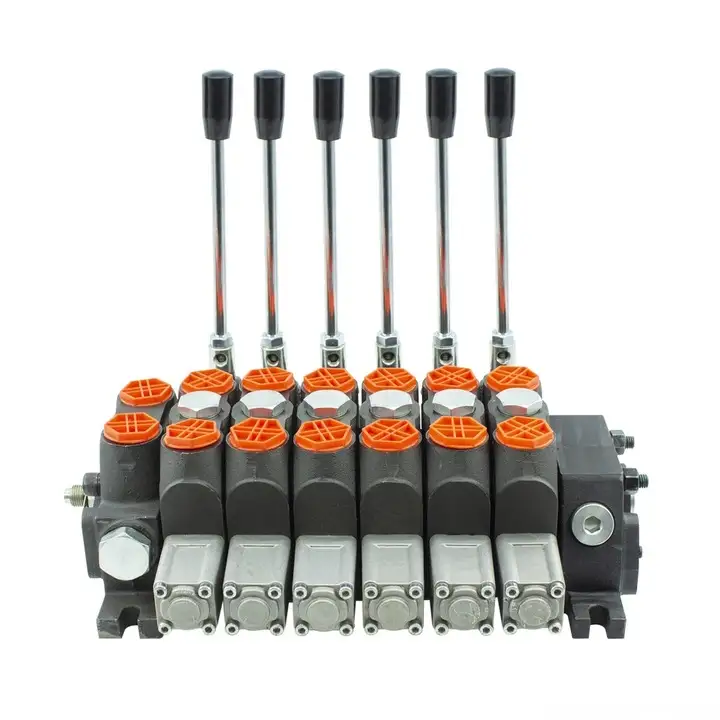
Ordering a specialized hydraulic valve requires more than confirming a product size and price. The valve needs to match the hydraulic circuit, operating environment, control method, installation space, and expected workload of the equipment.
A customized hydraulic control valve may be appropriate when standard products cannot meet specific technical or physical requirements. Before placing an order, asking the right questions can help clarify the design, manufacturing, testing, and support expectations.
What Function Must the Valve Perform?
Start by defining the valve’s exact role in the hydraulic system. It may be required for directional control, pressure regulation, flow control, load holding, or another specialized function.
A clear description of the intended function gives the manufacturer a better basis for selecting the internal configuration and control method.
What Are the Normal and Maximum Pressure Levels?
Pressure requirements should include more than the typical operating pressure. Ask the manufacturer to confirm that the proposed design is suitable for both normal conditions and the maximum pressure expected in the system.
If pressure spikes occur during operation, provide this information as well. Transient conditions can affect valve design and component selection.
What Flow Rate Is Required?
Determine the expected continuous flow and peak flow before ordering. These figures are important for valve sizing and can influence pressure drop and actuator performance.
It is also useful to ask for pressure-drop data at the intended flow rates. This can help determine whether the valve will place excessive restriction on the hydraulic circuit.
Is the Valve Compatible With the Hydraulic Fluid?
Provide the exact type of hydraulic fluid used by the equipment. Different fluids can require different seal and material specifications.
Ask which materials are proposed for the valve body, internal components, and seals and whether they are suitable for the fluid’s chemical and viscosity characteristics.
What Temperature Range Can the Valve Handle?
Hydraulic systems may experience significant temperature changes during operation. Temperature can affect fluid viscosity, seal performance, and valve response.
Confirm the minimum and maximum operating temperatures that the valve is designed to handle. These conditions should reflect actual equipment use rather than average ambient temperature alone.
Which Components Can Be Customized?
Not every supplier offers the same level of customization. Ask specifically which valve characteristics can be modified for the application.
Potential customization areas may include:
- Valve dimensions
- Port size and location
- Mounting configuration
- Pressure settings
- Flow characteristics
- Spool configuration
- Actuation method
- Seal materials
- Electrical connections
- Overall valve geometry
Knowing these options early helps determine whether the supplier can meet the application’s requirements.
Will the Valve Fit the Existing Installation?
Physical compatibility should be confirmed before production. Provide installation drawings or accurate measurements showing available space, mounting points, port locations, and connection requirements.
Ask the manufacturer to verify the proposed dimensions against the existing equipment. This can reduce the risk of receiving a valve that requires unexpected modifications.
What Control Method Will Be Used?
Determine whether the valve will be manually, mechanically, hydraulically, pneumatically, or electrically actuated.
For electrically controlled valves, confirm voltage, connector type, wiring requirements, control signals, and response characteristics. If proportional control is required, additional specifications may be necessary.
What Leakage Limits Apply?
Leakage requirements should be defined according to the valve’s intended function. External leakage can result in fluid loss, while internal leakage may affect pressure holding or actuator movement.
Ask the manufacturer how leakage is tested and what acceptance criteria are used for the proposed valve.
What Testing Will Be Performed?
Testing should be discussed before the order is finalized. Depending on the application, relevant tests may include:
- Pressure testing
- Leakage testing
- Flow testing
- Pressure-drop measurement
- Actuation and response testing
- Temperature testing
- Endurance or cycle testing
Ask whether test results will be documented and provided with the completed valve.
Is Prototype Development Available?
For a complex design, a prototype can help verify physical fit and hydraulic performance before full production.
Ask about prototype lead time, testing procedures, revision policies, and the process for approving the final design. This can be particularly useful when the valve has several customized features.
How Is Quality Controlled?
A customized valve should be manufactured according to clearly defined quality requirements. Ask how incoming materials, machined components, assembly, and finished products are inspected.
It is also useful to understand how manufacturing deviations are handled and whether critical dimensions are documented.
What Technical Documents Will Be Provided?
Documentation can make installation and future maintenance easier. Ask whether the supplier will provide relevant drawings, specifications, test reports, operating limits, and connection information.
For customized components, revision-controlled documentation is especially useful for future replacement orders or design changes.
What Is the Expected Lead Time?
Lead time can include engineering review, design, prototype development, testing, production, and final inspection. Ask the supplier to clarify each stage rather than relying on a single estimated delivery date.
If the project requires multiple valves, also confirm whether the supplier has sufficient production capacity to meet future requirements.
What Support Is Available After Delivery?
Technical questions can arise during installation or commissioning. Ask what type of support is available after the valve has been delivered.
Long-term support may also include troubleshooting, replacement parts, technical documentation, and assistance with future modifications.
What Is the Total Project Cost?
The quoted unit price may not represent the full cost of a customized valve project. Additional expenses can include engineering, tooling, prototype development, testing, and special materials.
Request a clear quotation that identifies relevant costs. Comparing complete project costs makes it easier to evaluate different suppliers fairly.
Can the Design Be Reproduced Consistently?
If the valve will be ordered repeatedly, production consistency is essential. Ask how the approved design is controlled between production batches.
The supplier should maintain appropriate drawings, specifications, inspection requirements, and revision records so that future units remain consistent with the approved configuration.
Key Questions Before Placing the Order
Before approving a purchase, make sure you have clear answers to these questions:
- Does the valve meet the required pressure and flow range?
- Is it compatible with the hydraulic fluid and temperature?
- Will it fit the available installation space?
- Are the ports and connections correct?
- Is the control method compatible with the equipment?
- What testing will be performed?
- Are prototypes available if required?
- What quality controls are used?
- What documentation will be supplied?
- What is the complete lead time and project cost?
- What support is available after delivery?
Final Considerations
Ordering a customized hydraulic valve is an engineering decision as much as a purchasing decision. Asking detailed questions before production can reveal compatibility issues, clarify performance expectations, and reduce misunderstandings between the buyer and manufacturer.
The best purchasing process begins with accurate hydraulic and mechanical specifications and continues through design review, prototype testing, quality inspection, and final validation. A clear understanding of these requirements can help ensure that the finished valve is suitable for its intended application.


