


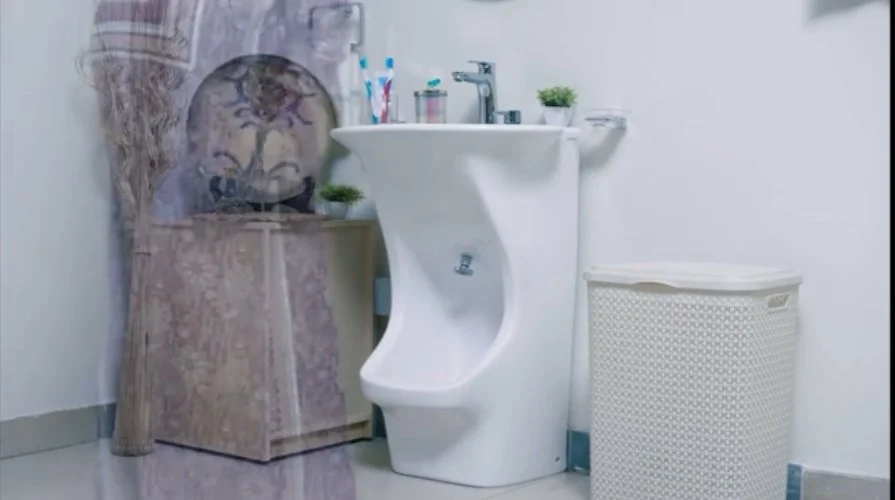
As urban development continues to reshape cities worldwide, space efficiency has become a major priority in architectural planning. Mosques, community centers, airports, and public prayer facilities often face the challenge of accommodating large numbers of worshippers within limited physical space. This makes the design of ablution areas especially important, where functionality, hygiene, and spatial optimization must work together.
Modern engineering approaches now focus on compact yet highly efficient solutions that maximize usability without compromising comfort. A well-designed Ablution Wash Basin system plays a key role in achieving this balance, enabling architects to create space-saving ablution environments suitable for both small and high-traffic facilities.
The Growing Need for Compact Ablution Solutions
In many modern construction projects, especially in urban areas, available space is limited. Traditional ablution layouts often require large floor areas, which may not be feasible in compact mosque designs or multi-purpose buildings.
Compact engineering solutions address this issue by reducing footprint while maintaining full functionality. These systems allow multiple users to perform wudu efficiently without requiring excessive space.
Key reasons for compact design adoption include:
- Increasing urban space constraints
- Higher land and construction costs
- Demand for multi-functional building usage
- Need for efficient user flow in small areas
These factors have driven innovation in space-saving ablution systems.
Modular Design for Maximum Space Efficiency
One of the most effective strategies in compact ablution engineering is modular design. Modular Ablution Wash Basin units are structured in repeatable sections that can be arranged based on available space.
This flexibility allows architects to optimize layouts for different building sizes and configurations.
Benefits of modular systems include:
- Flexible installation in small or irregular spaces
- Easy scalability for future expansion
- Reduced construction complexity
- Efficient use of available floor area
Modular designs ensure that even the smallest spaces can accommodate functional ablution facilities.
Vertical and Linear Space Optimization
In compact environments, both vertical and horizontal space must be carefully utilized. Engineers design ablution units that maximize user capacity while minimizing spatial footprint.
Linear arrangements are commonly used along walls, while vertical design adjustments help optimize user posture and movement.
Key space-saving strategies include:
- Wall-aligned basin installations
- Narrow but efficient washing stations
- Optimized height for ergonomic use
- Reduced spacing without compromising comfort
These approaches ensure that space is used effectively without overcrowding.
Efficient User Flow in Limited Areas
Even in compact facilities, smooth user flow is essential to prevent congestion and ensure usability. Poor flow design can lead to bottlenecks, especially during peak prayer times.
Compact ablution systems are engineered to support structured movement patterns that guide users efficiently through washing stations.
Flow optimization features include:
- One-directional movement layouts
- Clearly defined entry and exit points
- Sequential washing station arrangement
- Reduced interference between users
These design principles help maintain order in limited spaces.
Hygiene and Maintenance in Compact Systems
Maintaining hygiene in compact ablution areas is especially important due to closer user proximity. Efficient drainage and surface design help prevent water accumulation and contamination.
Modern materials and engineering solutions ensure that even small spaces remain clean and easy to maintain.
Hygiene advantages include:
- Fast drainage to prevent water pooling
- Non-porous surfaces for easy cleaning
- Reduced splashing through controlled design
- Simplified maintenance access
These features support long-term cleanliness and safety.
Material Innovation for Space Efficiency
Material selection plays a key role in compact engineering. Lightweight, durable, and seamless materials allow for slimmer designs without sacrificing strength or durability.
Solid surface materials are commonly used due to their versatility and performance in high-use environments.
Material benefits include:
- Slim yet durable structural design
- Seamless construction for hygiene improvement
- Resistance to water, stains, and wear
- Easy integration into compact layouts
These properties support efficient and long-lasting ablution systems.
Adaptability for Different Facility Types
Compact ablution wash basin systems are highly adaptable and can be used in a wide range of facilities, including small mosques, urban prayer rooms, airports, and educational institutions.
Their flexibility allows designers to customize layouts based on user volume and available space.
Adaptability advantages include:
- Suitable for both new builds and renovations
- Customizable layouts for different environments
- Scalable systems for future expansion
- Compatibility with diverse architectural styles
This makes them a practical solution for modern infrastructure challenges.
Global Demand for Space-Efficient Mosque Infrastructure
As urbanization increases globally, demand for compact and efficient mosque infrastructure continues to grow. Regions such as the Middle East, Southeast Asia, and densely populated urban centers are leading this trend.
Developers are prioritizing space-saving Ablution Wash Basin systems that combine efficiency, hygiene, and durability.
Key global trends include:
- Increased adoption of modular infrastructure
- Focus on space optimization in urban mosques
- Demand for cost-efficient construction solutions
- Emphasis on hygiene and user comfort
These trends are shaping the future of ablution facility design worldwide.
Conclusion
Space-saving engineering is transforming the design of modern ablution facilities by making them more efficient, flexible, and user-friendly. Compact Ablution Wash Basin systems allow architects to maximize limited space while maintaining hygiene, durability, and smooth user flow.
As global demand for efficient mosque infrastructure continues to rise, compact and modular solutions will play an increasingly important role in urban and high-density environments. Manufacturers and exporters who focus on innovation and space optimization are well positioned to succeed in this evolving international market.


