


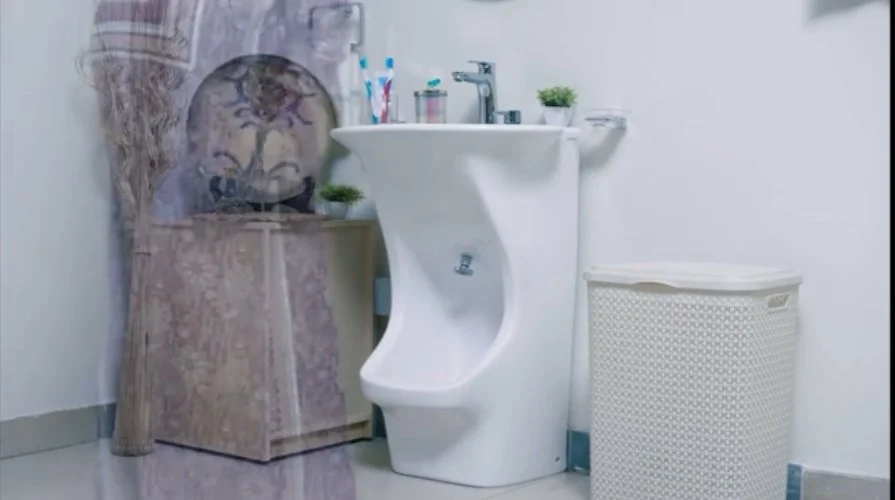
Modern mosques, Islamic centers, airports, schools, and public facilities require well-planned ablution areas that support hygiene, comfort, and efficient user flow. The Ablution Wash Basin is a key component in these environments, designed specifically for performing Wudu in a structured and convenient way.
For architects, facility managers, and exporters, understanding the differences between various basin types is essential for selecting the right solution. A well-chosen Ablution Wash Basin can significantly improve usability, durability, and long-term maintenance efficiency.
Wall-Mounted Ablution Wash Basins
Wall-mounted systems are widely used in modern facilities due to their space-saving design and easy maintenance.
Key features include:
- Fixed installation on walls
- Easy floor cleaning underneath
- Compact and space-efficient design
- Suitable for modern architectural layouts
These basins are ideal for high-traffic areas where space optimization is important.
Floor-Standing Ablution Wash Basins
Floor-standing basins offer strong stability and are commonly used in large-scale religious facilities.
Advantages include:
- Strong structural support
- Suitable for heavy daily use
- Easy installation in open spaces
- Durable long-term performance
They are often chosen for traditional or large mosque designs.
Multi-User Ablution Wash Basin Systems
Multi-user systems are designed to handle large crowds efficiently, especially during prayer times.
Key benefits include:
- Multiple washing stations in one structure
- Reduced waiting time
- Organized user flow
- High capacity for peak usage
These systems are essential for busy mosques and public facilities.
Stainless Steel Ablution Wash Basins
Stainless steel basins are known for their strength and durability in demanding environments.
Features include:
- High resistance to corrosion
- Easy cleaning and maintenance
- Long service life
- Strong impact resistance
However, they may lack the aesthetic flexibility of modern materials.
Solid Surface Ablution Wash Basins
Solid surface materials are increasingly popular in modern architectural designs due to their balance of hygiene, durability, and aesthetics.
Benefits include:
- Non-porous and hygienic surface
- Seamless and modern design
- Resistance to stains and moisture
- Easy repair and maintenance
These basins are widely used in contemporary mosque projects.
Ceramic Ablution Wash Basins
Ceramic basins are traditional and commonly used in smaller facilities or residential spaces.
Characteristics include:
- Smooth and glossy finish
- Affordable cost
- Easy availability
- Moderate durability
However, they may be prone to cracking under heavy use.
Comparison of Key Factors
When comparing different Ablution Wash Basin types, several factors must be considered:
- Durability under heavy usage
- Hygiene and ease of cleaning
- Water efficiency and drainage performance
- Installation and maintenance requirements
- Aesthetic integration with architecture
Each type has its own strengths depending on project needs.
Hygiene Performance Differences
Hygiene is one of the most important considerations in ablution design.
- Solid surface and stainless steel offer superior hygiene
- Ceramic requires more frequent cleaning
- Multi-user systems need optimized drainage design
- Seamless designs reduce bacterial buildup
This makes material choice critical for long-term cleanliness.
Space and Design Efficiency
Different basin types offer varying levels of space efficiency.
- Wall-mounted systems save floor space
- Multi-user systems maximize capacity
- Floor-standing systems require more area
- Compact designs improve crowd management
Proper planning ensures efficient facility usage.
Durability and Maintenance Considerations
Maintenance requirements vary depending on material and design.
- Stainless steel: low maintenance, high durability
- Solid surface: easy repair and long-lasting
- Ceramic: moderate maintenance, lower impact resistance
- Multi-user systems: require regular cleaning management
This impacts long-term operational costs.
Export and Market Demand Trends
For exporters, demand varies based on project type and regional preferences.
Key market trends include:
- Growing preference for modern solid surface systems
- Demand for multi-user basins in large mosques
- Preference for hygienic and low-maintenance designs
- Increasing focus on water-efficient solutions
This creates strong global opportunities.
Conclusion
Different types of Ablution Wash Basins offer unique advantages depending on usage, design requirements, and facility size. From wall-mounted and floor-standing systems to multi-user and solid surface designs, each option serves specific functional needs.
For manufacturers and exporters, understanding these differences is essential for meeting global demand. A Wudu Sink from KingKonree Solid Surface demonstrates how modern innovation can provide durable, hygienic, and efficient solutions for contemporary ablution facilities worldwide.


