


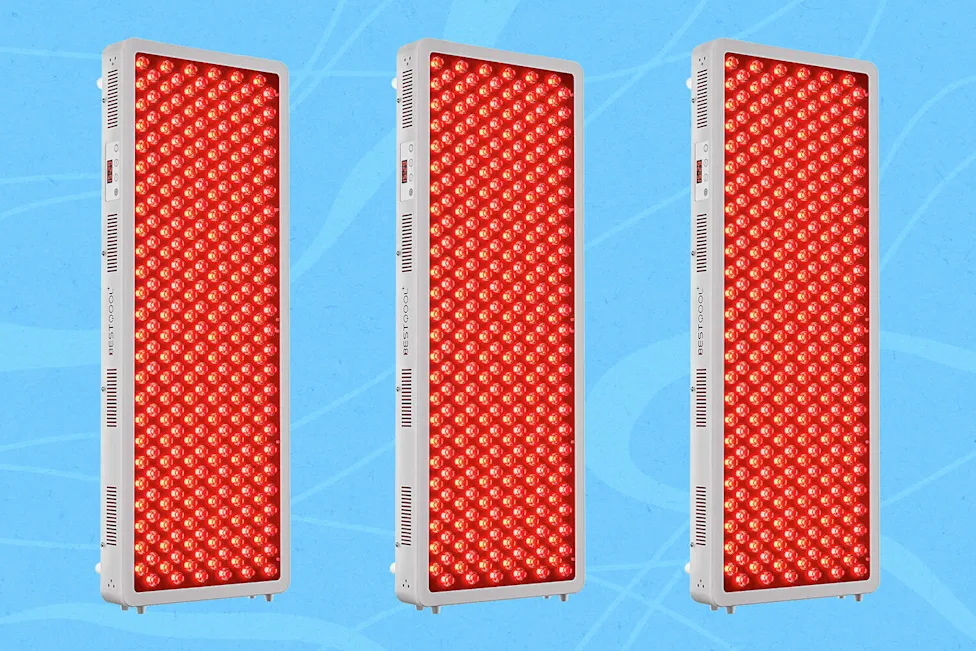
Proper installation and setup play a key role in ensuring that lighting devices perform efficiently and safely over time. Whether used in wellness environments, studios, or professional settings, correct positioning and configuration help maximize both output quality and device lifespan.
A well-installed red led panel delivers more consistent illumination, improved coverage, and better long-term reliability. Understanding the setup process helps users avoid common mistakes and achieve optimal performance from the start.
Understanding Pre-Installation Requirements
Before installing a red LED panel, it is important to evaluate the environment where it will be used. The surrounding conditions can significantly affect performance and safety.
Key considerations include:
- Available space for mounting or placement
- Power source accessibility
- Ventilation and airflow conditions
- Distance requirements for intended use
Preparing the setup area in advance ensures a smoother installation process and stable long-term operation.
Choosing the Right Installation Location
The placement of the panel directly affects light distribution and usability. A poorly chosen location can reduce efficiency and limit coverage.
Ideal placement should provide:
- Direct and unobstructed exposure area
- Stable mounting surface or support structure
- Adequate space for user positioning
- Minimal reflective or obstructive surfaces nearby
For larger panels, wall mounting or adjustable stands are often preferred to ensure consistent positioning.
Wall Mounting vs Portable Setup
Red LED panels can typically be installed in different configurations depending on user needs.
Wall-Mounted Setup
Wall mounting is ideal for fixed installations and professional environments. It offers:
- Stable and permanent positioning
- Consistent exposure angle
- Space-saving design
- Hands-free operation
Portable or Stand-Based Setup
Portable setups provide flexibility and mobility. They are suitable for:
- Home use environments
- Multi-location usage
- Adjustable positioning needs
- Temporary installations
Choosing between these options depends on usage frequency and available space.
Electrical Connection and Power Setup
Safe and stable electrical setup is essential for reliable operation. Red LED panels require a compatible power source to function correctly.
Important steps include:
- Ensuring voltage compatibility with the device
- Using grounded and stable electrical outlets
- Avoiding overloaded power strips
- Checking cables and connectors for damage before use
Proper electrical setup reduces the risk of fluctuations and ensures consistent performance.
Positioning for Optimal Light Exposure
Correct positioning is crucial for achieving even light distribution across the target area. Distance and angle both influence effectiveness.
General positioning guidelines include:
- Maintaining manufacturer-recommended distance from the panel
- Ensuring direct alignment with the target area
- Adjusting height or angle for full coverage
- Avoiding obstructed light paths
Proper positioning helps ensure that the light reaches the intended surface evenly.
Ventilation and Heat Management
Although LED panels produce relatively low heat, proper ventilation is still important for long-term stability.
To maintain safe operation:
- Leave space around ventilation areas
- Avoid covering cooling vents
- Ensure airflow in enclosed spaces
- Prevent overheating during extended sessions
Good ventilation supports consistent output and extends device lifespan.
Setting Up Control Features
Modern red LED panels often include built-in controls for convenience and customization. These features should be configured during initial setup.
Common control options include:
- Timer settings for automatic shut-off
- Intensity adjustment levels
- Mode selection (if available)
- Remote or app-based control setup
Proper configuration ensures ease of use and prevents overuse.
Safety Checks Before First Use
Before using the device for the first time, basic safety checks should be completed to ensure proper installation.
Checklist includes:
- Verifying secure mounting or stable placement
- Confirming power connections are secure
- Ensuring no visible damage to the panel
- Testing control functions before full operation
These steps help prevent early issues and ensure safe usage.
Common Installation Mistakes to Avoid
Improper installation can affect both performance and safety. Some common mistakes include:
- Mounting the panel at incorrect height or angle
- Using unstable or unsafe mounting surfaces
- Ignoring ventilation requirements
- Overlooking power compatibility
Avoiding these errors helps maintain consistent performance and device reliability.
Maintenance Considerations After Installation
Once installed, ongoing maintenance ensures continued efficiency and stability. Simple care practices include:
- Regular dust removal from the panel surface
- Periodic inspection of cables and mounts
- Ensuring ventilation remains unobstructed
- Checking control settings periodically
Routine maintenance helps preserve performance over time.
Conclusion
Proper installation and setup are essential for achieving optimal performance from a red LED panel. From selecting the right location to ensuring correct electrical connections and positioning, each step contributes to efficiency, safety, and long-term reliability.
By following structured installation guidelines, users can ensure stable operation and maximize the benefits of their lighting system in both personal and professional environments.


