


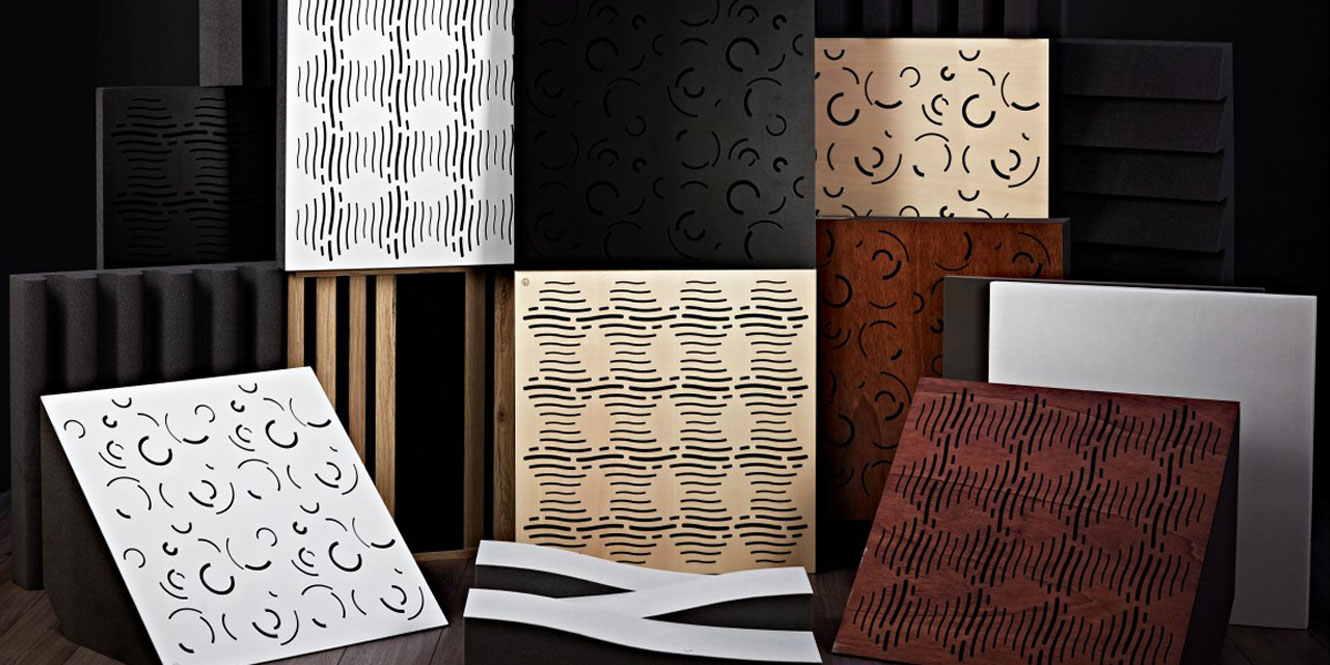
Sound control has become a critical aspect of modern architecture, especially in spaces where communication, comfort, and productivity are essential. As buildings become more open and materials like glass, steel, and concrete are used more frequently, controlling unwanted noise has become increasingly challenging. This has driven continuous innovation in acoustic materials and design strategies.
A modern acoustic panels supplier plays an important role in advancing sound absorption technology by developing more efficient, sustainable, and design-flexible acoustic solutions for a wide range of industries.
The Evolution of Acoustic Panel Technology
Acoustic panels have evolved significantly over the past decade. Earlier designs focused mainly on basic sound absorption using foam or fiberglass materials. Today, advancements in material science and manufacturing processes have transformed acoustic panels into high-performance architectural components.
Modern panels are engineered not only for sound absorption but also for durability, fire resistance, sustainability, and aesthetic integration. This evolution reflects the growing demand for multifunctional building materials.
Smart Material Engineering in Acoustic Panels
One of the most important innovations in sound absorption technology is the development of advanced engineered materials. Manufacturers now use composite structures that combine multiple layers to enhance acoustic performance across different frequency ranges.
Common material innovations include:
- Multi-density fiber composites for broader sound absorption
- Recycled polyester fibers for sustainable performance
- Hybrid acoustic cores combining foam and fiber layers
- Micro-perforated surfaces to improve sound diffusion and absorption
These material advancements allow panels to perform more effectively in complex acoustic environments such as auditoriums, offices, and public spaces.
Enhanced Sound Absorption Performance Design
Modern acoustic panels are no longer designed with a one-size-fits-all approach. Instead, they are engineered for specific acoustic challenges, including low-frequency control, echo reduction, and speech clarity improvement.
Innovative design features include:
- Tuned absorption layers for targeted frequency control
- Perforation patterns designed for optimized sound wave capture
- Variable thickness panels for multi-layer acoustic performance
- Edge and spacing designs that improve overall system efficiency
These improvements help achieve more precise acoustic outcomes in different types of environments.
Integration of Digital Design and Acoustic Simulation
Digital technology has significantly improved how acoustic panels are designed and tested. Manufacturers now use acoustic simulation software to predict how sound will behave in a space before installation.
This allows designers to:
- Model room acoustics before construction begins
- Test different panel configurations virtually
- Optimize panel placement for maximum efficiency
- Reduce trial-and-error during installation
By using digital tools, suppliers can provide more accurate and customized acoustic solutions tailored to specific architectural requirements.
Sustainable Innovation in Acoustic Materials
Sustainability has become a major driving force in acoustic panel innovation. Manufacturers are increasingly focusing on environmentally responsible production methods and recyclable materials.
Key sustainable developments include:
- Use of recycled PET fibers in panel production
- Low-emission adhesives and binders
- Energy-efficient manufacturing processes
- Recyclable and reusable acoustic components
These innovations support green building certifications and help reduce the environmental impact of construction projects.
Multi-Functional Acoustic Panel Systems
Another major innovation trend is the development of multi-functional acoustic panels. These systems go beyond sound absorption and offer additional performance benefits.
Modern panels may include:
- Thermal insulation properties
- Fire-resistant coatings
- Humidity and moisture resistance
- Integrated lighting or decorative elements
This multifunctionality makes acoustic panels more valuable in complex architectural designs, where efficiency and space optimization are key priorities.
Aesthetic and Architectural Integration
Acoustic panels are increasingly being designed as part of interior aesthetics rather than hidden functional elements. This shift has led to the development of visually appealing acoustic solutions that blend seamlessly into modern architecture.
Design innovations include:
- Custom printed acoustic surfaces for branding or artwork
- Geometric and modular panel layouts
- Wood-textured finishes for natural aesthetics
- Color-matching systems for interior coordination
This integration allows acoustic performance to coexist with creative interior design.
The Role of Suppliers in Driving Innovation
Suppliers play a central role in advancing acoustic technology by investing in research, material development, and product testing. A forward-thinking supplier does more than manufacture panels; it contributes to industry innovation through continuous improvement.
Key supplier contributions include:
- Developing new acoustic materials and composites
- Testing products under real-world conditions
- Collaborating with architects and engineers
- Providing technical support for complex projects
This collaborative approach ensures that acoustic solutions continue to evolve with modern construction needs.
Future Trends in Acoustic Panel Technology
The future of acoustic panels is expected to focus on greater intelligence, adaptability, and sustainability. Emerging trends include:
- Smart acoustic systems that adapt to environmental noise levels
- AI-assisted acoustic design optimization
- Ultra-lightweight high-performance materials
- Fully recyclable acoustic construction systems
These innovations will further expand the role of acoustic panels in shaping modern built environments.
Conclusion
Innovation in sound absorption technology is transforming the way acoustic environments are designed and experienced. From advanced materials and digital simulation tools to sustainable manufacturing and aesthetic integration, acoustic panels are becoming more sophisticated and versatile.
By partnering with an experienced acoustic panels supplier, architects, designers, and builders can access cutting-edge acoustic solutions that meet both functional and design requirements. As technology continues to evolve, acoustic panels will remain a key element in creating comfortable, efficient, and visually appealing spaces.


